
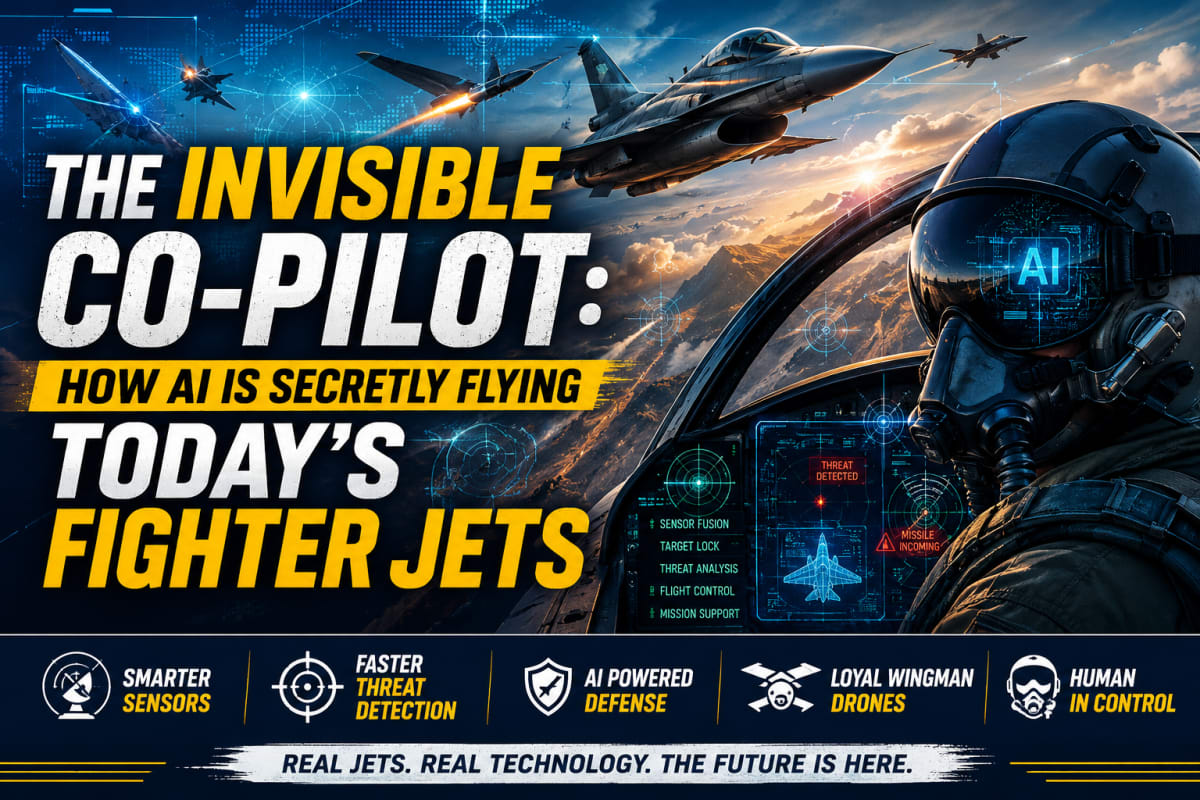
The Invisible Co-Pilot: How AI is Secretly Flying Today’s Fighter Jets.
Imagine you are sitting in the cockpit of a fighter jet. You are flying at 600 miles per hour. The sky is full of enemy planes, missiles are flying toward you, and your radar is screaming with a hundred different signals. Your heart is beating fast.
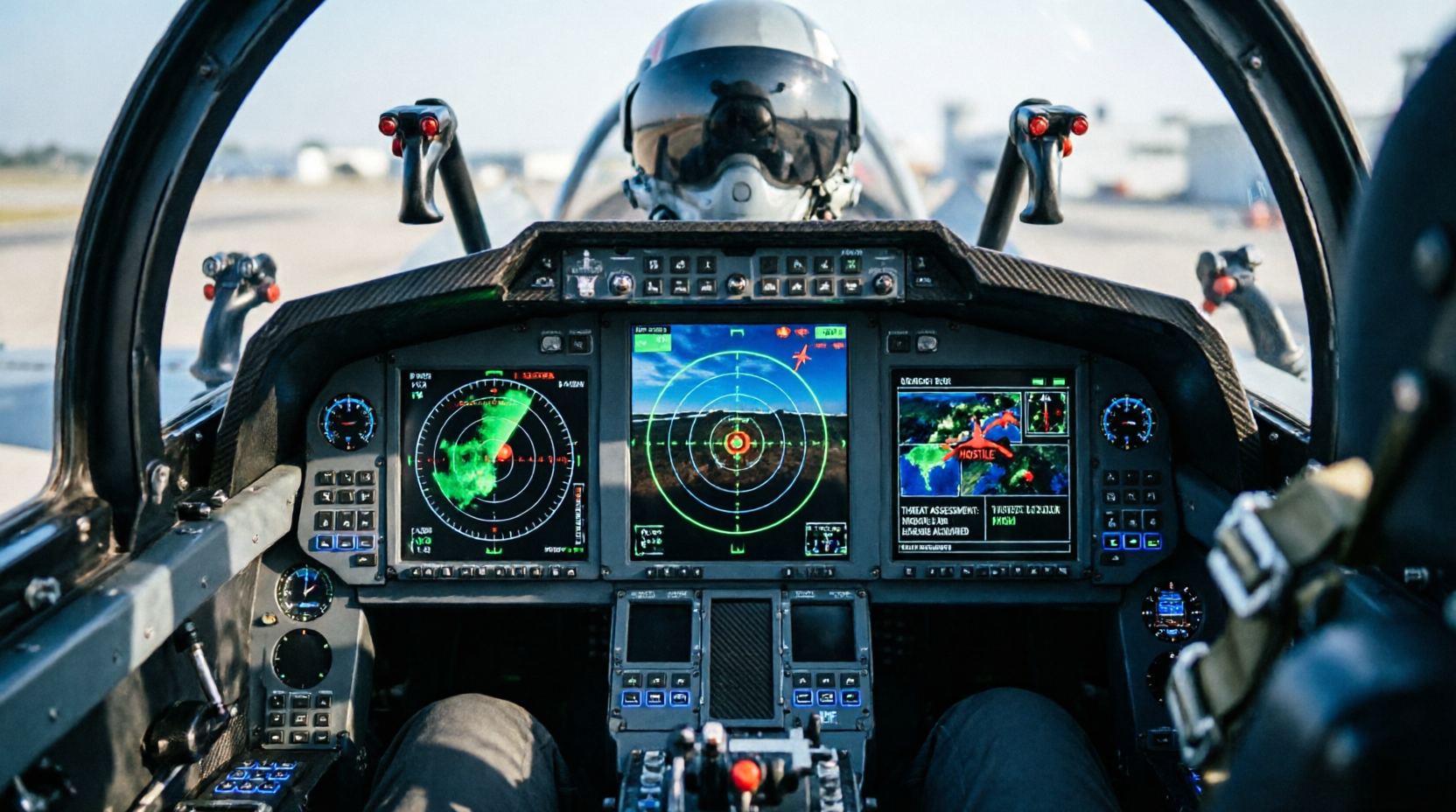
But here is the crazy part: you are not doing all the thinking alone.
Right next to you, sitting quietly in the digital shadows, is an invisible co-pilot. It does not breathe. It does not feel fear. It processes information millions of times faster than a human brain. This invisible co-pilot is Artificial Intelligence (AI).
Today, modern fighter jets are not just machines made of metal and fuel. They are flying supercomputers. But how does AI actually work inside these jets? Is it a robot holding the joystick? No. Let’s break it down in the simplest way possible, step by step, so you can understand exactly how AI is changing the skies, looking at real jets like the French Rafale and the JF-17 Thunder, and what the future holds.
What is AI Actually Doing in a Fighter Jet?
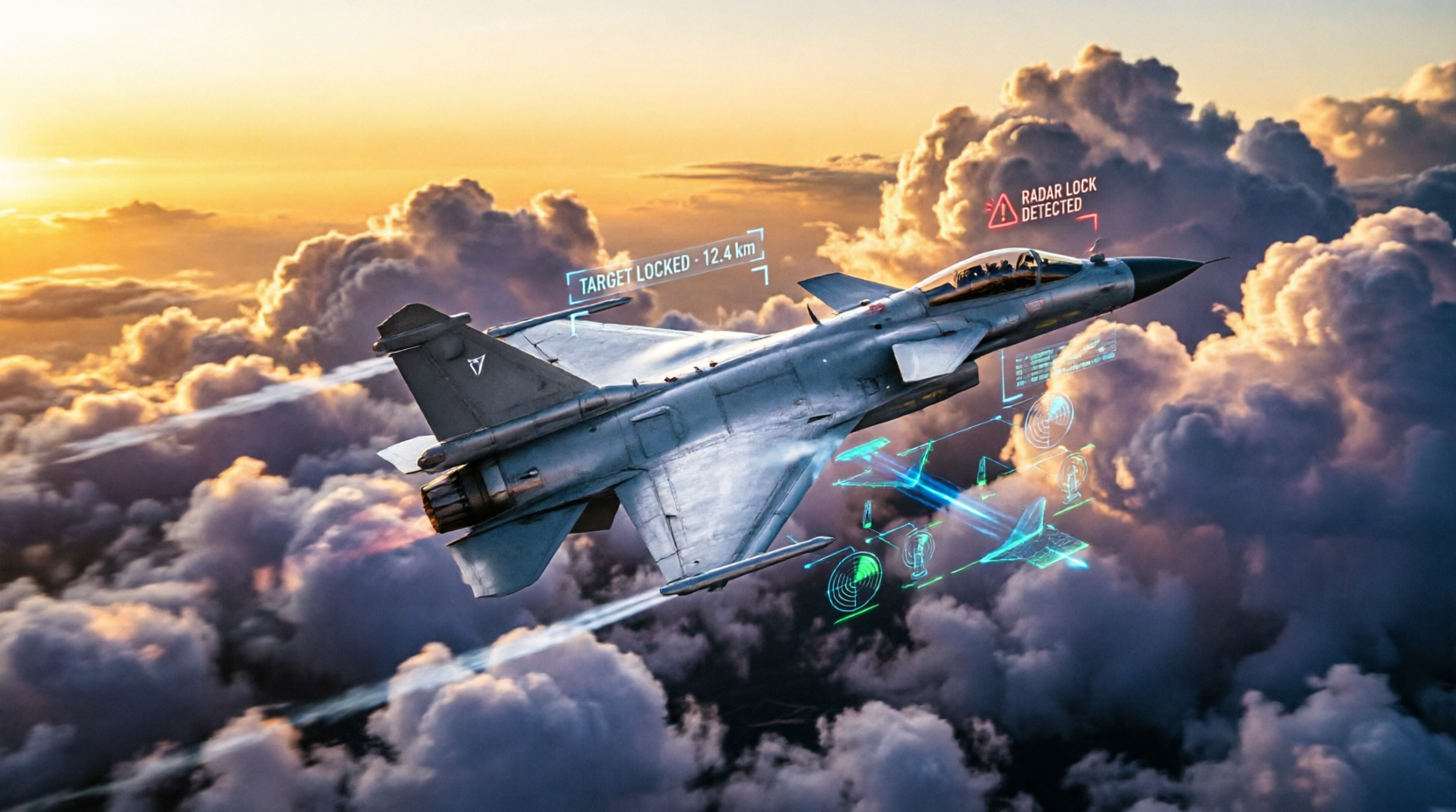
First, let’s clear up a big myth. AI in a fighter jet is not a robot flying the plane like in sci-fi movies. The human pilot is always the boss. The AI is there to act as a super-fast assistant.
Think of your smartphone. When you take a photo, the phone’s AI instantly adjusts the light, focuses on your face, and removes the blur. It does this in a second. Now, imagine that same kind of smart thinking, but instead of a photo, it is processing radar signals, weather data, fuel levels, and enemy locations all at the same time, at the speed of light. That is what AI does in a jet.
Here is the step-by-step breakdown of how AI works inside the cockpit.
Step 1: Sensor Fusion (The All-Seeing Eye)
A modern fighter jet is covered in sensors. It has radar to see far away, infrared cameras to see heat, and electronic sensors to listen to enemy radio waves.
In the old days, a pilot had to look at three or four different screens to understand what was happening. This caused "information overload." The pilot’s brain would get tired.
Today, AI steps in and does something called "Sensor Fusion." It takes all the messy data from the radar, cameras, and sensors, mixes it together, and creates one single, clean picture on the pilot's screen. If an enemy jet is hiding behind a mountain, the radar might lose it, but the AI remembers its speed and direction and predicts where it will pop out. The AI does the heavy lifting so the pilot only sees what matters.
Step 2: Threat Detection and Targeting (The Digital Reflexes)
When an enemy fires a missile, the pilot has only seconds to react. Human reflexes are good, but they are not perfect.
AI systems in modern jets are programmed to recognize threats instantly. The moment an enemy radar locks onto the jet, the AI knows exactly what type of missile is coming. It calculates the speed, distance, and angle of the missile. Then, it instantly tells the pilot the best way to escape. It might automatically drop the right type of flare (to confuse heat-seeking missiles) or tell the pilot exactly which direction to turn to break the enemy's radar lock. It is like having a guardian angel that never blinks.
Step 3: Flight Control (Keeping the Jet Alive)
Have you ever driven a car with traction control? When you slip on ice, the car’s computer automatically brakes the right wheels to keep you from spinning out.
Fighter jets do the exact same thing, but in 3D space. This is called "Fly-by-Wire." The pilot moves the stick, but the stick is not physically connected to the wings. The pilot is actually sending a digital request to the flight computer.
AI monitors the jet’s angle, speed, and weight thousands of times per second. If a pilot pulls the stick too hard and tries to do a move that would break the wings or stall the engine, the AI simply says, "No," and adjusts the flight surfaces to keep the jet safe. It allows the pilot to fly the jet to its absolute physical limits without crashing.
Step 4: Predictive Maintenance (The Jet’s Health Monitor)
This is the part most people do not know about, but it is a game-changer. Fighter jets are incredibly expensive. If a part breaks in the air, it is a disaster.
Modern jets are filled with tiny sensors that listen to the engine, check the oil pressure, and monitor the vibration of the wings. AI analyzes this data every single minute of the flight. If a tiny pump is starting to wear out, the AI notices a slight change in vibration that a human would never hear. It tells the ground crew, "Hey, replace this part next week before it breaks." This saves militaries billions of dollars and keeps pilots safe.
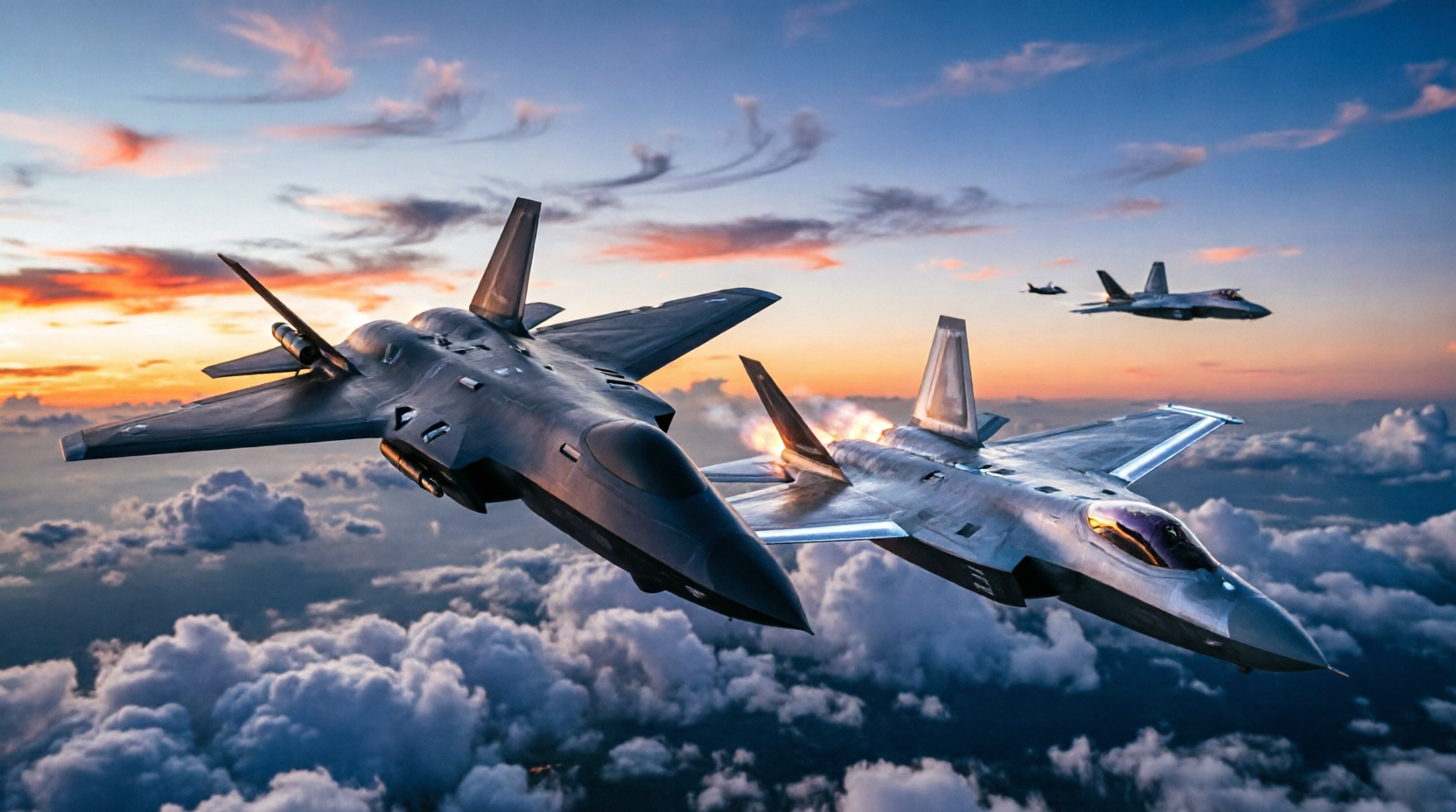
Real-World Examples: Rafale and JF-17 Thunder
Let’s look at how this works in the real world with two very famous jets.
The Dassault Rafale (France):
The Rafale is known as an "Omnirole" jet, meaning it can do everything—fight, bomb, and spy—all in the same mission. The secret to its success is its SPECTRA electronic warfare suite. SPECTRA uses advanced AI to scan the sky for enemy radars. If it detects a threat, it automatically jams the enemy radar or tricks the enemy missile. The pilot does not have to manually press ten buttons to defend the jet. The AI handles the electronic warfare in the background, allowing the pilot to focus on flying and shooting.
The JF-17 Thunder Block III (Pakistan/China):
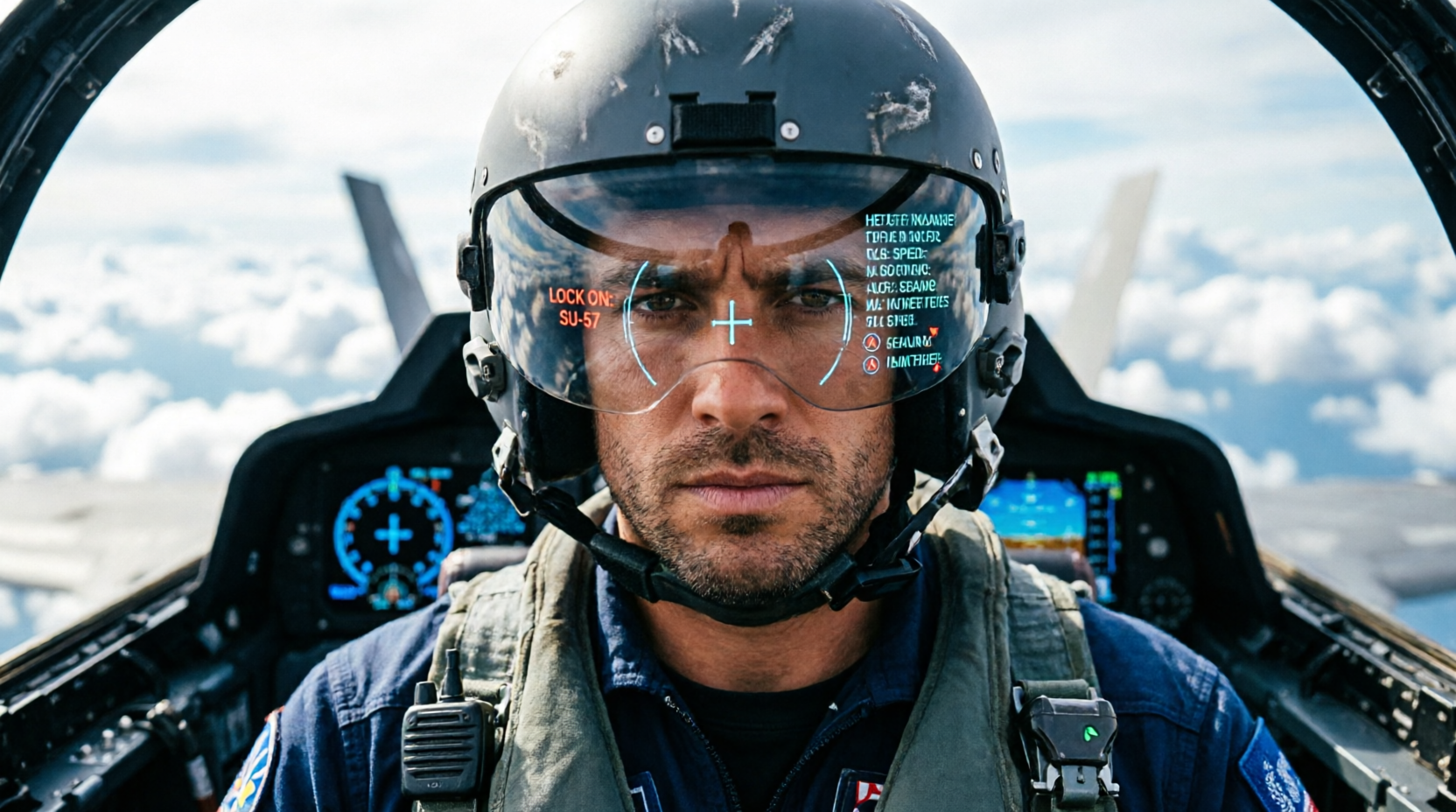
The newer Block III version of the JF-17 is a massive leap forward. It features an AESA radar (a super-smart radar that can track many targets at once) and a digital glass cockpit. The AI in the JF-17 Block III works closely with the pilot’s Helmet-Mounted Display. When the pilot turns their head and looks at an enemy jet, the AI instantly feeds that target data to the helmet. The pilot can lock onto an enemy just by looking at them. The AI processes the radar data and puts the targeting crosshair right on the enemy’s canopy. It makes the pilot feel like a superhero.
The Future: What is Coming Next?
If you think today’s AI is cool, wait until you see what is coming in the next five to ten years. The sky is about to change forever.
1. The "Loyal Wingman" Drones.
This is the biggest change in aerial combat since the invention of the jet engine. Soon, a human pilot will not fly alone. They will fly a main fighter jet, but they will be controlling three or four AI-piloted drone jets flying right next to them. These drones are called "Loyal Wingmen." The human pilot can tell the AI drones, "Go scout that area," or "Fly ahead and draw enemy fire." The AI drones can even shoot missiles at targets the human pilot cannot see. The human is the commander; the AI drones are the soldiers.
2. Voice-Activated Combat.
In the future, pilots will not need to take their hands off the stick to press buttons. They will just talk to the jet. Advanced AI voice assistants will understand the pilot's voice, even over the loud noise of the engine and the stress of combat. A pilot could simply say, "Drop two bombs on those coordinates," or "Switch radar to air-to-air mode," and the AI will do it instantly.
3. AI vs. AI Dogfights.
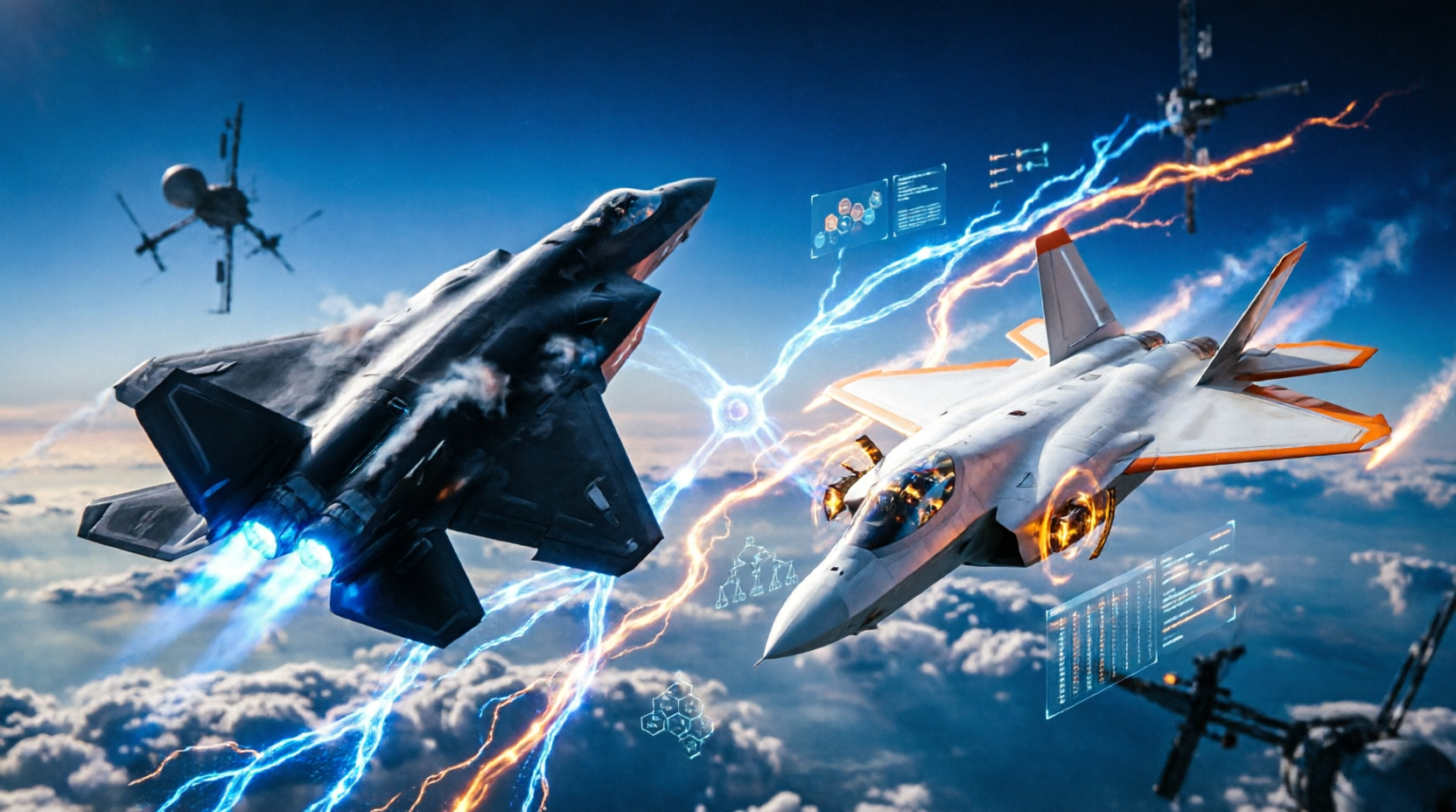
Recently, military programs (like DARPA in the US) have tested AI in simulated dogfights. The results shocked the world. The AI learned how to fly so perfectly that it beat the best human fighter pilots in the world every single time. The AI knew exactly when to turn, when to pull up, and when to fire. In the future, if two jets meet in the sky, it might actually be the jets' AIs fighting each other in milliseconds, while the human pilots just watch and make the final moral decisions.
The Human Element.
With all this talk about smart computers and robots, you might wonder: will AI replace the human pilot?
The answer is a big NO.
War is not just about math and speed. It is about instinct, courage, and making moral choices. An AI can calculate the perfect angle to drop a bomb, but it does not know if there are civilians down below. An AI can fly perfectly, but it does not have the "gut feeling" that a veteran pilot gets after years in the sky.
The goal of AI in fighter jets is not to replace the human. The goal is to remove the boring, slow, and overwhelming tasks from the pilot's brain. By letting the AI handle the data, the sensors, and the flight stability, the human pilot is free to do what they do best: think, strategize, and make the final call.
Final Thoughts.
The next time you see a picture of a sleek, modern fighter jet like the Rafale or the JF-17 Thunder, remember that you are not just looking at a machine. You are looking at a flying brain.
AI has quietly entered the cockpit. It is fusing sensors, dodging missiles, and keeping the engines healthy. It is turning human pilots into ultimate warriors, giving them eyes that see through clouds and reflexes faster than lightning.
The skies of the future will be a dance between human courage and artificial intelligence. And honestly? It is going to be the most amazing technological show on Earth.
Comments (0)
Please sign in to join the conversation.
No comments yet. Be the first to join the discussion!