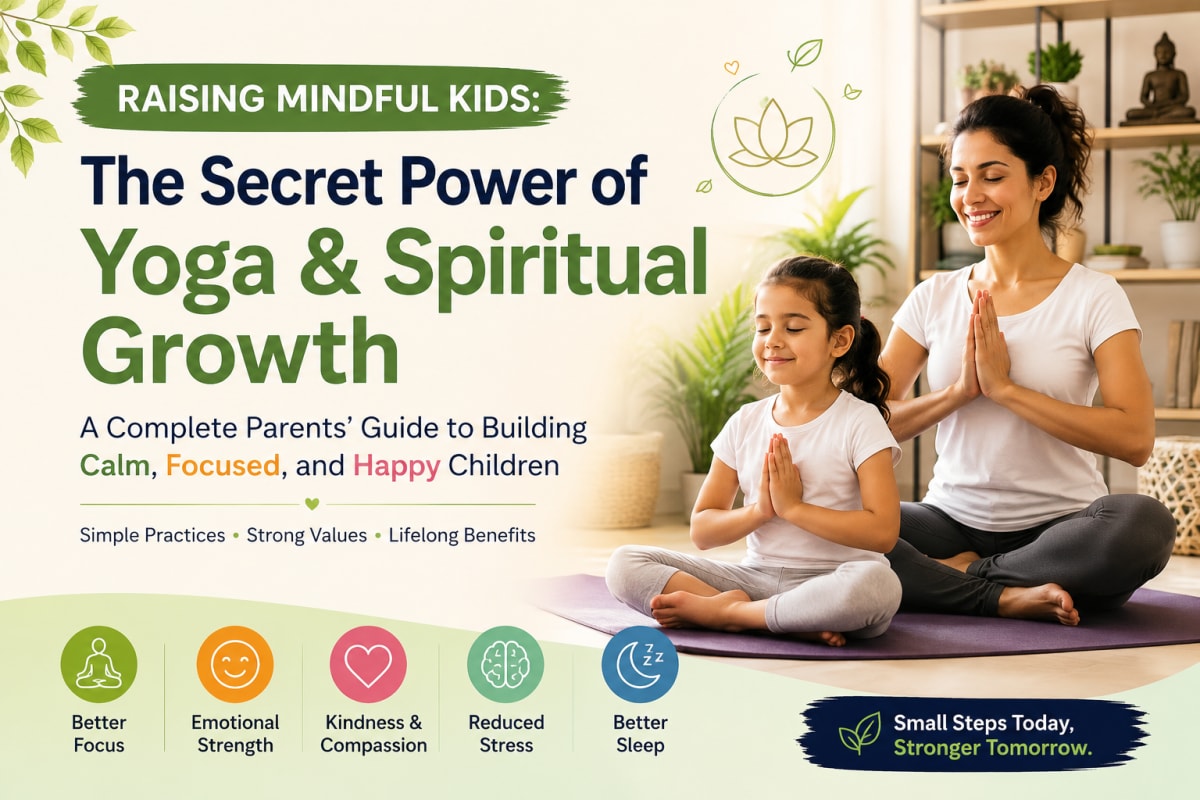
Raising Mindful Kids: How Yoga and Simple Spiritual Habits Help Children Grow Happy, Calm, and Confident
A Simple Guide for Every Parent
Parenting has never been easy. But today, it feels harder than ever.
Children are growing up in a world full of noise, screens, busy schedules, and constant pressure. Many children feel stressed even at a young age. They may become angry quickly, lose focus, spend too much time on mobile phones, or find it difficult to manage their emotions.
As parents, we all want the same thing.
We want our children to be healthy, confident, kind, and emotionally strong.
The good news is that you do not need expensive programs or complicated methods to help your child. Small daily habits can make a big difference.
Two of the most helpful habits are yoga and mindfulness. When combined with values like kindness, gratitude, and respect, they help children grow stronger in body, calmer in mind, and happier in everyday life.
This guide will show you simple steps that any parent can follow.
What Does It Mean to Raise a Mindful Child?
A mindful child is not a perfect child.
A mindful child learns how to understand feelings instead of being controlled by them.
Mindful children often learn to:
- Stay calm during difficult moments
- Pay better attention
- Think before reacting
- Be kind to others
- Feel more confident
- Enjoy the present moment
Mindfulness teaches children that every feeling comes and goes. They learn that they can stop, take a breath, and choose a better response.
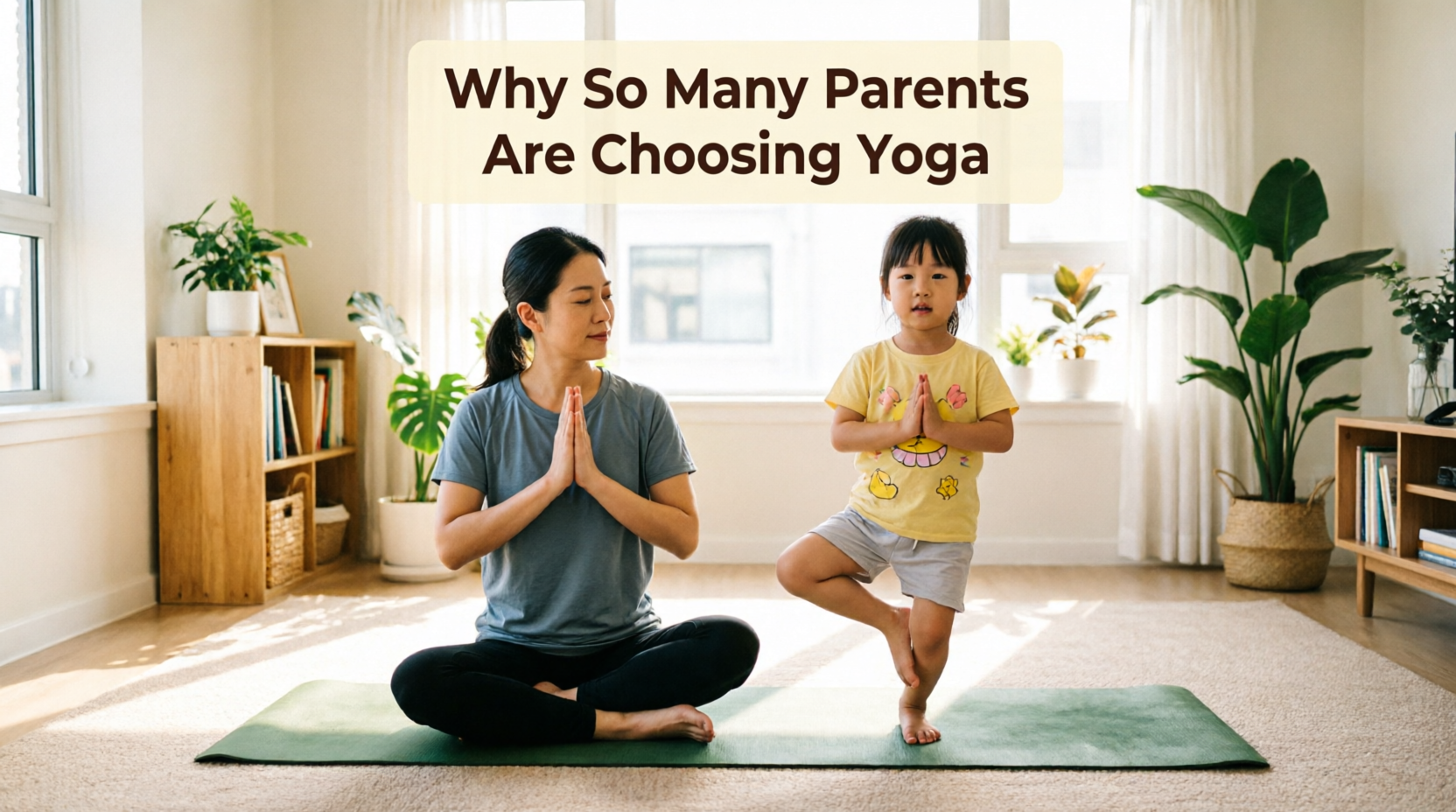
Why So Many Parents Are Choosing Yoga
Years ago, many people believed yoga was only for adults.
Today, parents, teachers, and health experts use simple yoga exercises to help children build healthy habits.
Research suggests that regular yoga and mindfulness practice may help children:
- Improve concentration
- Reduce stress
- Sleep better
- Feel more relaxed
- Build self-confidence
- Develop better emotional control
Yoga is much more than stretching.
It teaches children how to connect their body, mind, and breathing.
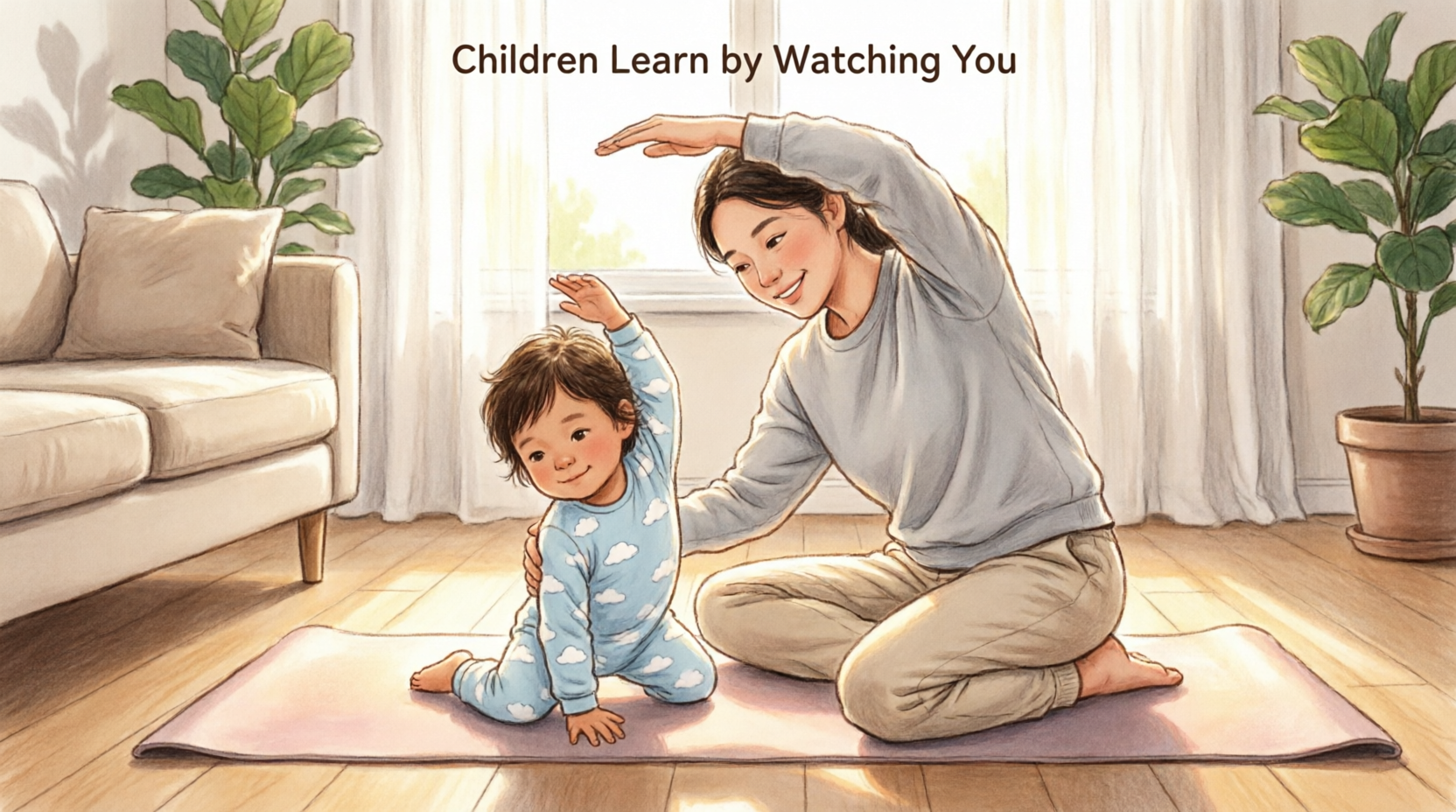
The Biggest Secret: Children Learn by Watching You
Many parents say,
"Go and do your yoga."
But children learn much more from what they see than from what they hear.
If they see you staying calm, taking deep breaths, exercising, and speaking kindly, they naturally become curious.
Your example is your strongest lesson.
You do not need to give long speeches.
Just live the habits you want your child to learn.
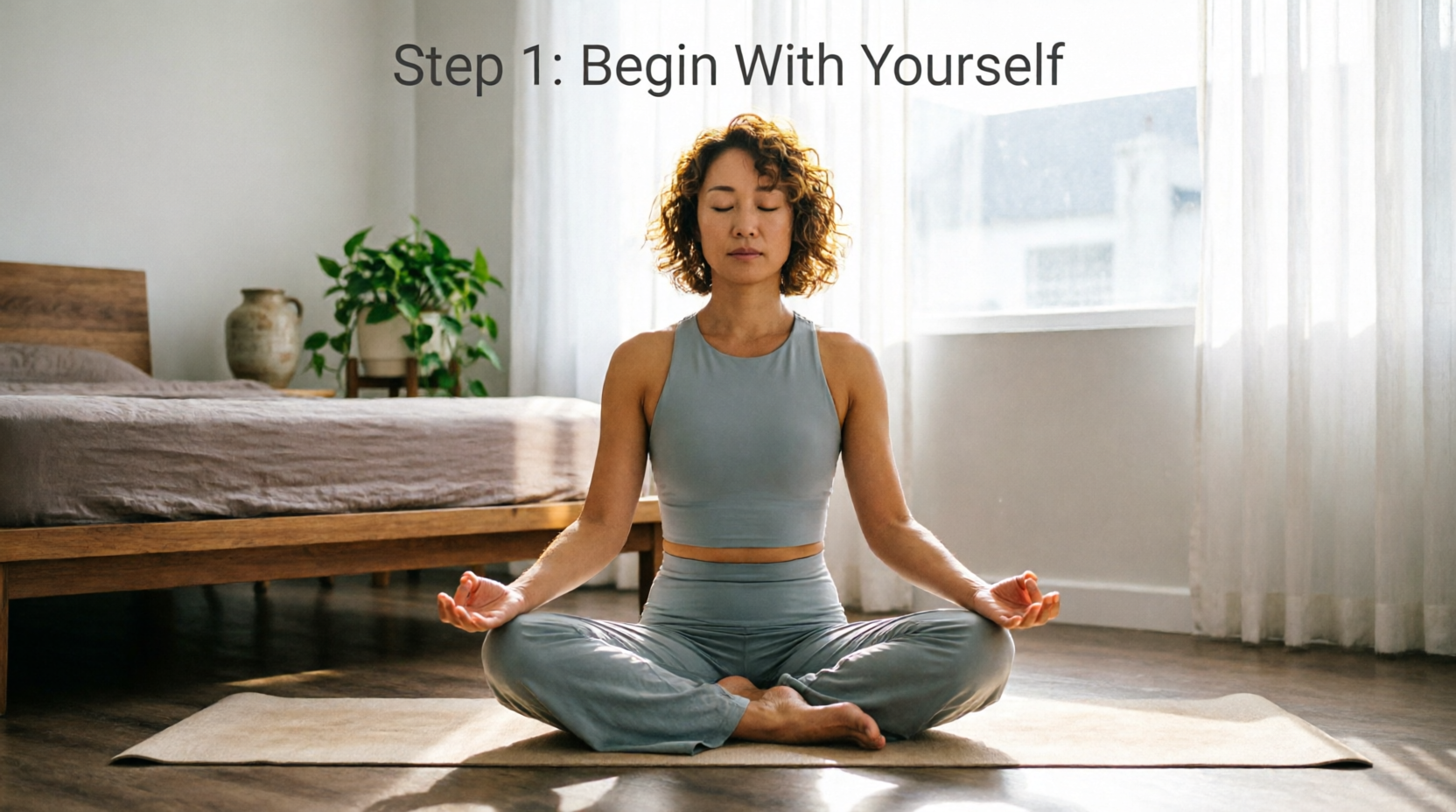
Step 1: Begin With Yourself
Ask yourself a few simple questions.
- Do I stay calm when I become upset?
- Do I spend too much time on my phone?
- Do I take care of my own health?
Children copy everyday behavior.
If your child sees you doing five or ten minutes of yoga every morning, they may soon want to join you.
This is one of the easiest ways to build interest without pressure.
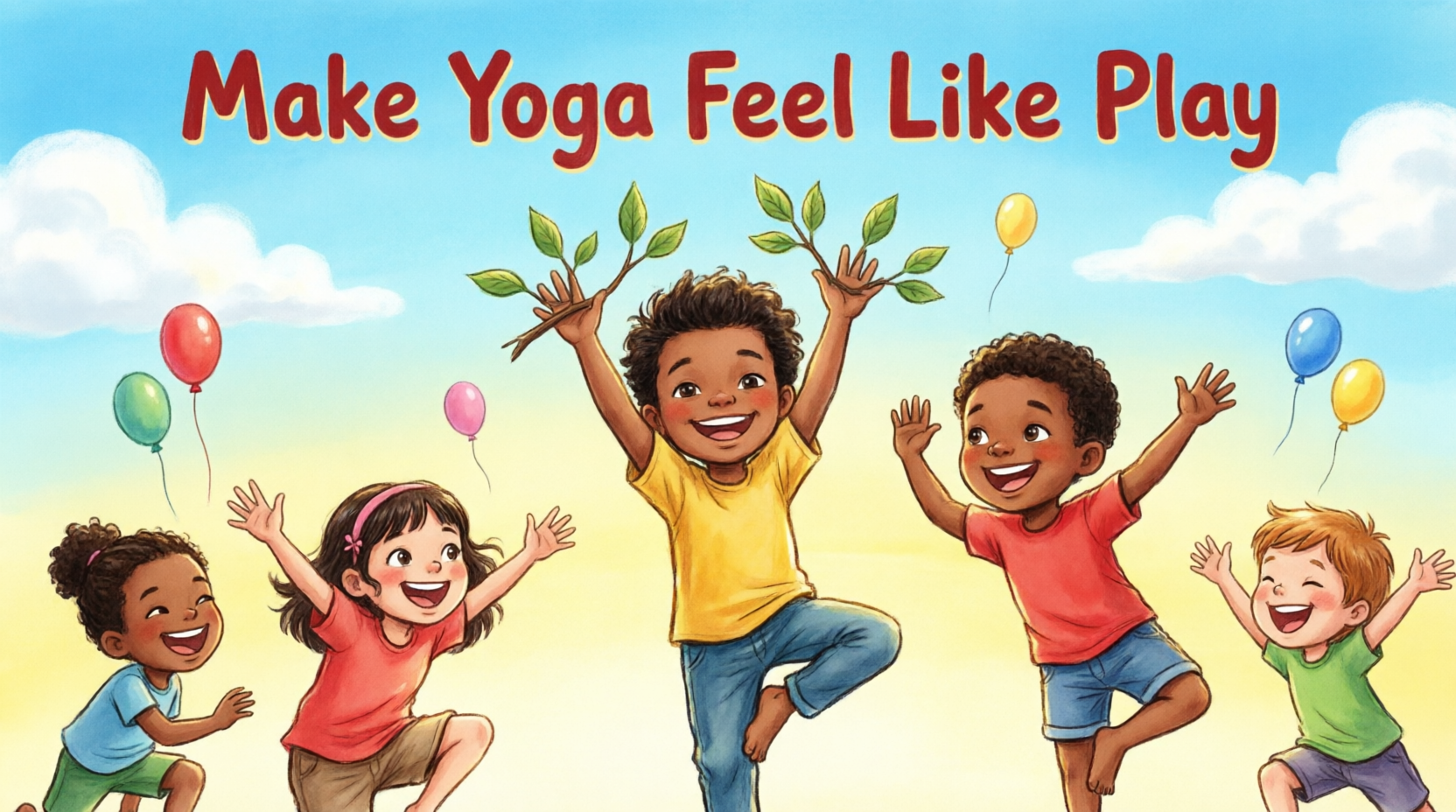
Step 2: Make Yoga Feel Like Play
Children love games.
They do not enjoy activities that feel like schoolwork.
Turn yoga into a fun adventure.
You can pretend to become:
- A tall tree
- A happy butterfly
- A brave lion
- A gentle cat
- A strong mountain
Smile, laugh, and enjoy the time together.
When children have fun, they naturally want to do it again.
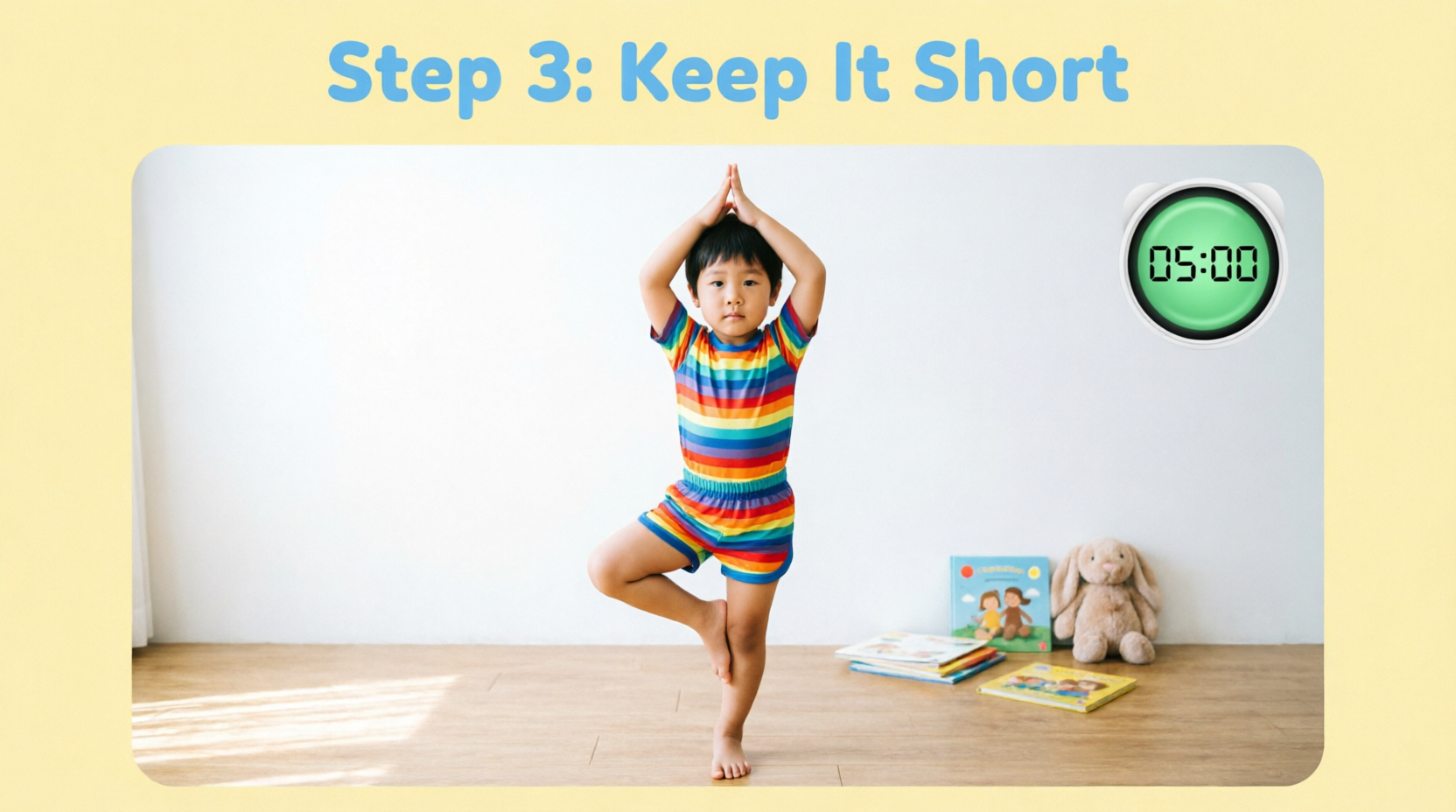
Step 3: Keep It Short
Many parents make one common mistake.
They expect children to sit quietly for thirty minutes.
That is too much for most young children.
Instead, begin with only five minutes.
Your first session can include:
- Two simple yoga poses
- One breathing exercise
- One minute of quiet sitting
Small habits become lifelong habits.
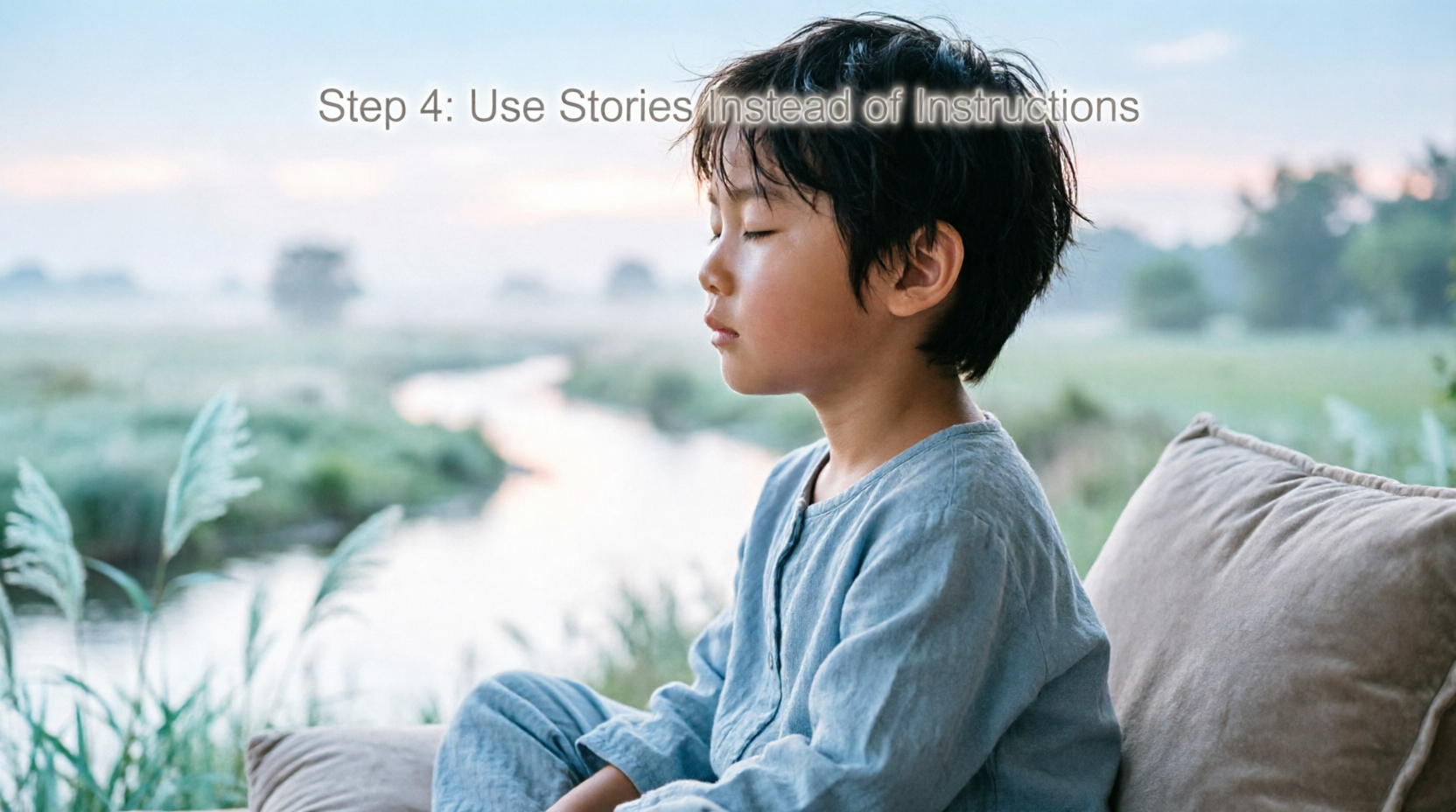
Step 4: Use Stories Instead of Instructions
Children love imagination.
Instead of saying,
"Close your eyes and meditate,"
try saying,
"Imagine you are sitting beside a quiet river. You can hear birds singing. The wind is soft. The water is moving slowly."
Children relax naturally when they picture peaceful places.
Stories help mindfulness feel easy and enjoyable.
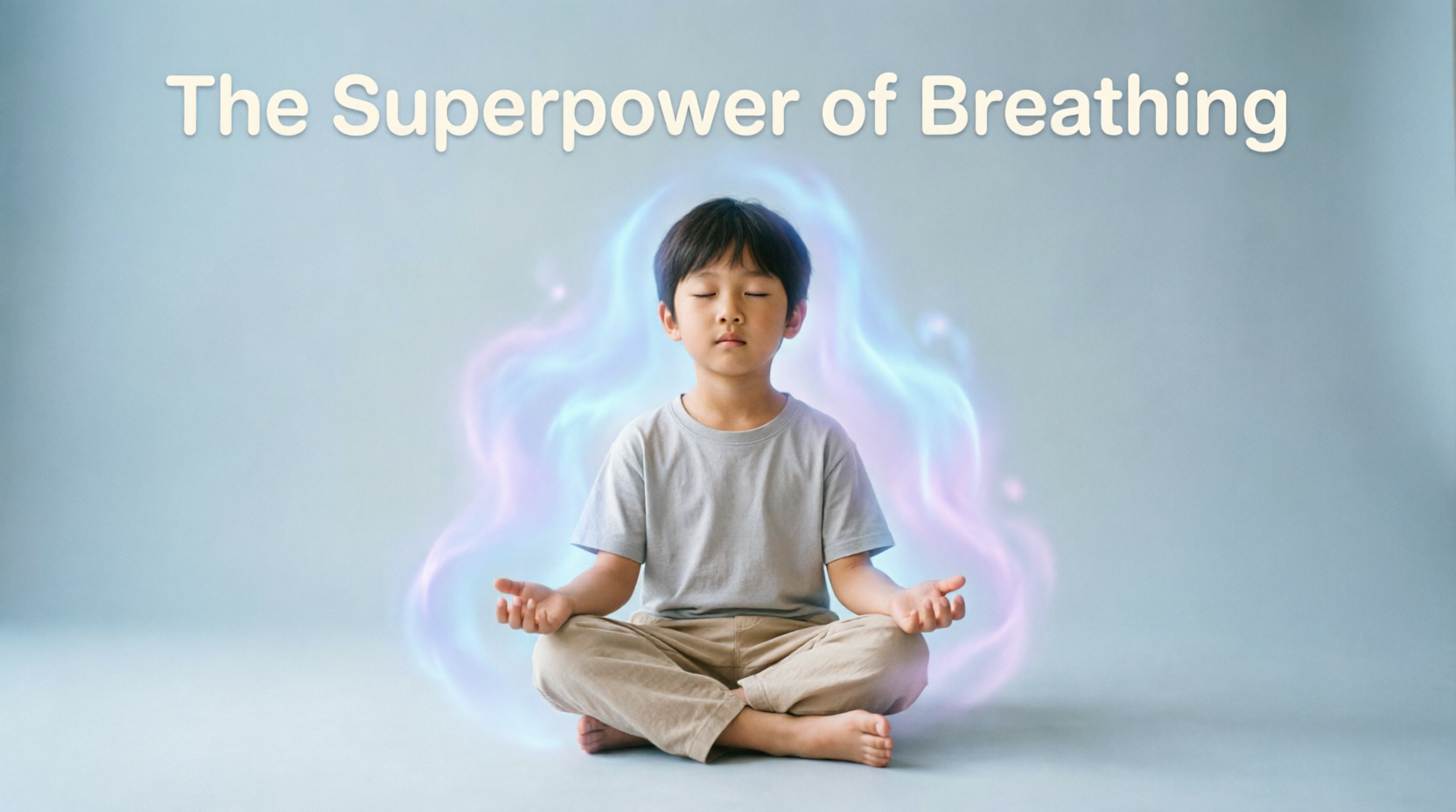
Step 5: Teach the Superpower of Breathing
Every child becomes angry, worried, or frustrated sometimes.
Teach them that they already have a special tool to calm themselves.
Their breath.
Show them this simple exercise.
Breathe in slowly through the nose for four seconds.
Hold the breath for one second.
Breathe out slowly through the mouth for four seconds.
Repeat this five times.
Slow breathing can help children feel calmer before they react.
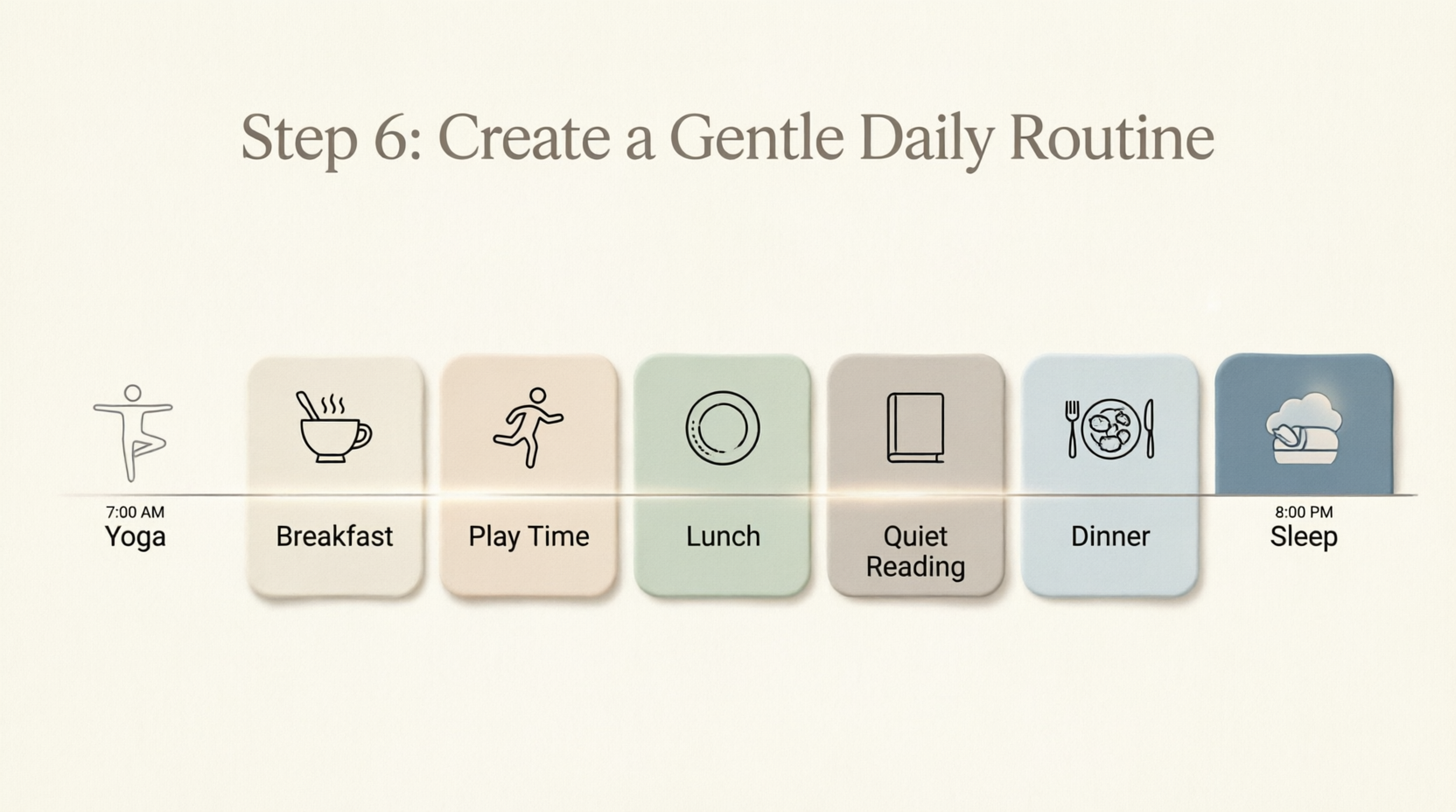
Step 6: Create a Gentle Daily Routine
Children feel safe when life has a simple routine.
Here is an easy example.
Morning
Wake up
Stretch for five minutes
Practice two or three yoga poses
Take three deep breaths
Afternoon
Healthy lunch
School work
Outdoor play
Evening
Family walk or playtime
Five minutes of breathing
Night
No screens before bed
Share one thing you are thankful for
Read a short story
Go to sleep on time
The goal is not perfection.
The goal is consistency.
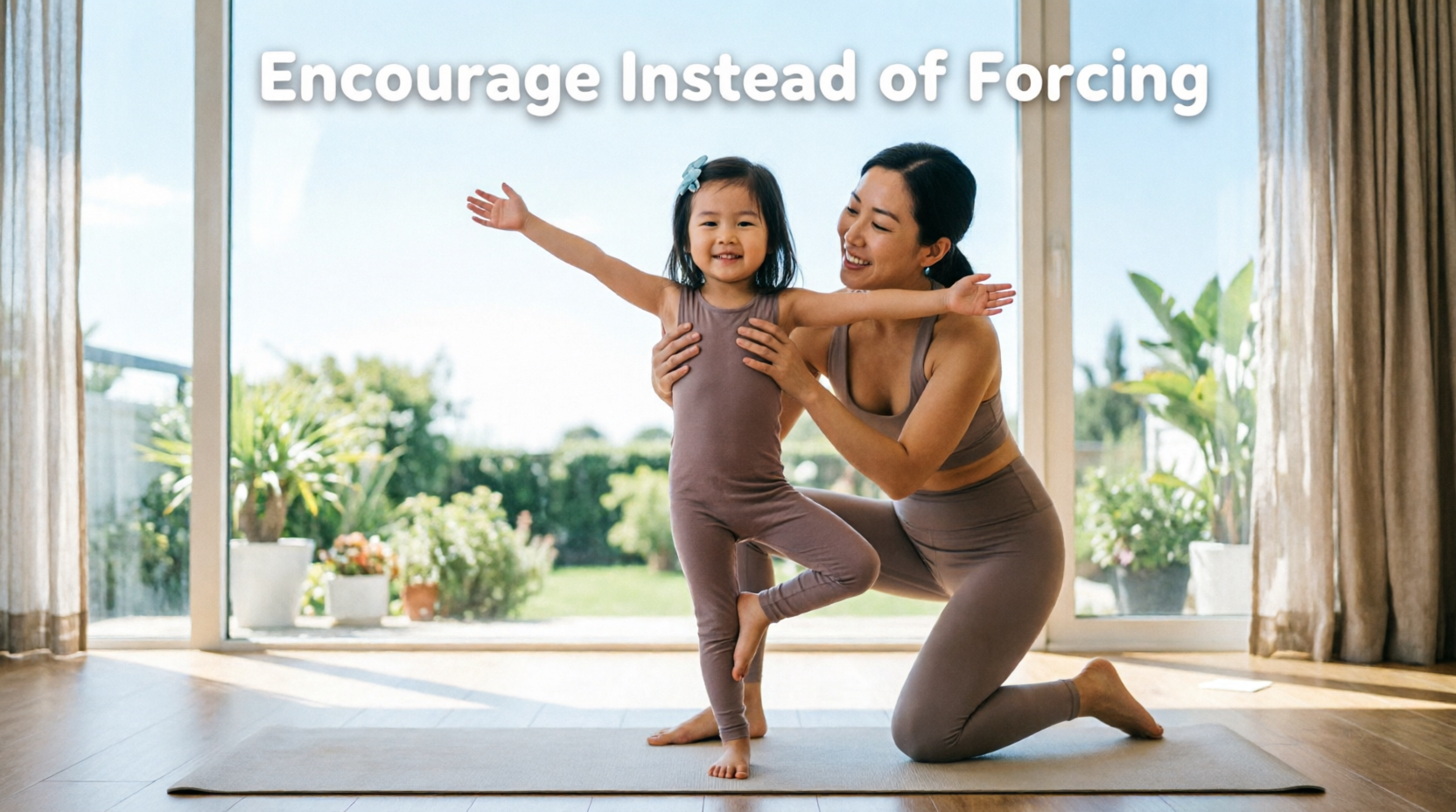
Encourage Instead of Forcing
Every child learns at a different speed.
Never compare your child with others.
Instead of saying,
"You are doing it wrong,"
try saying,
"I am proud of you for trying."
Positive words build confidence.
Confident children enjoy learning.
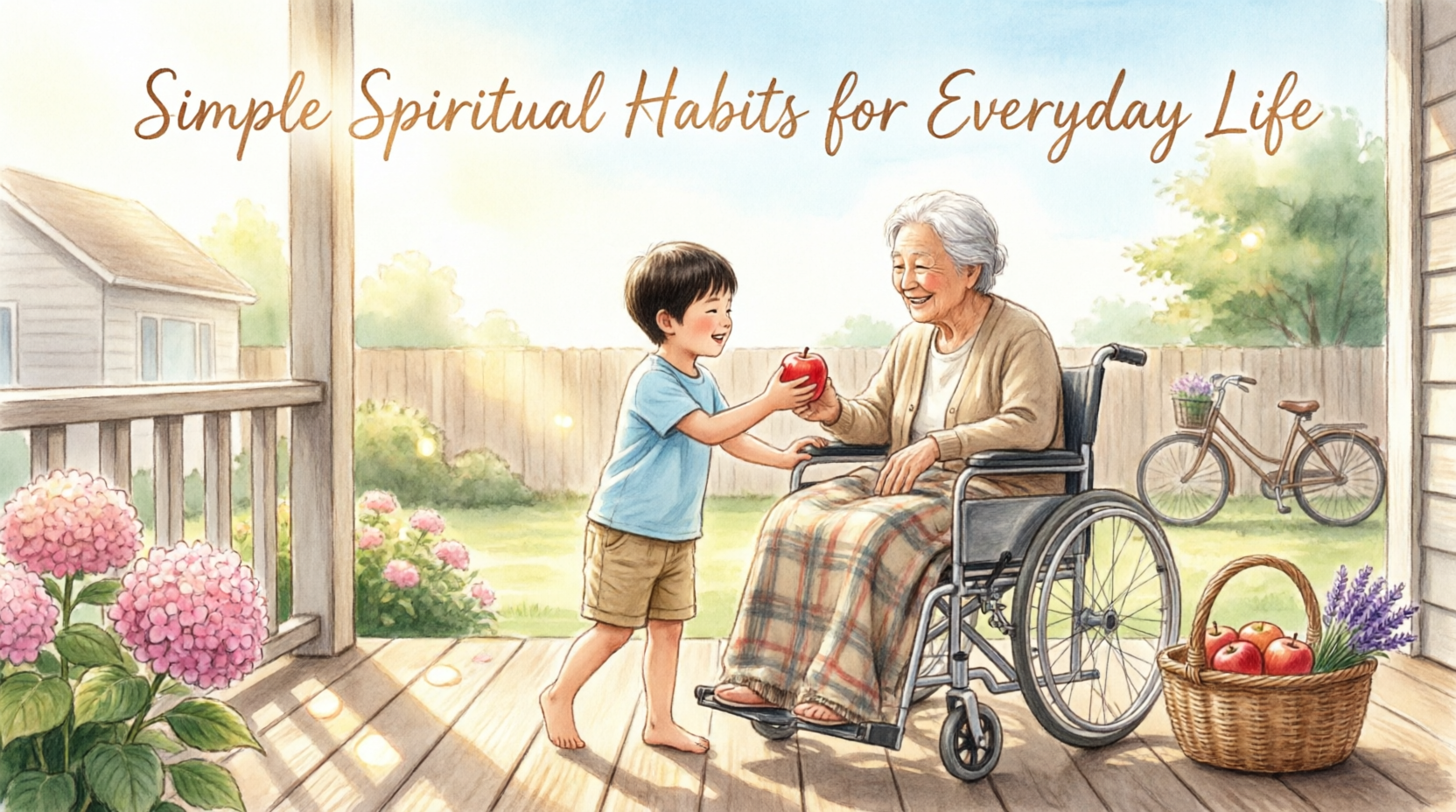
Simple Spiritual Habits for Everyday Life
Spiritual growth does not have to mean following one particular religion.
It can simply mean helping children develop a kind heart, a thankful attitude, and respect for others.
Simple daily habits include:
- Saying thank you before meals
- Helping family members
- Caring for animals
- Being honest
- Saying sorry after making mistakes
- Spending a few quiet minutes every day
- Listening carefully when others speak
These small actions help children build good character.
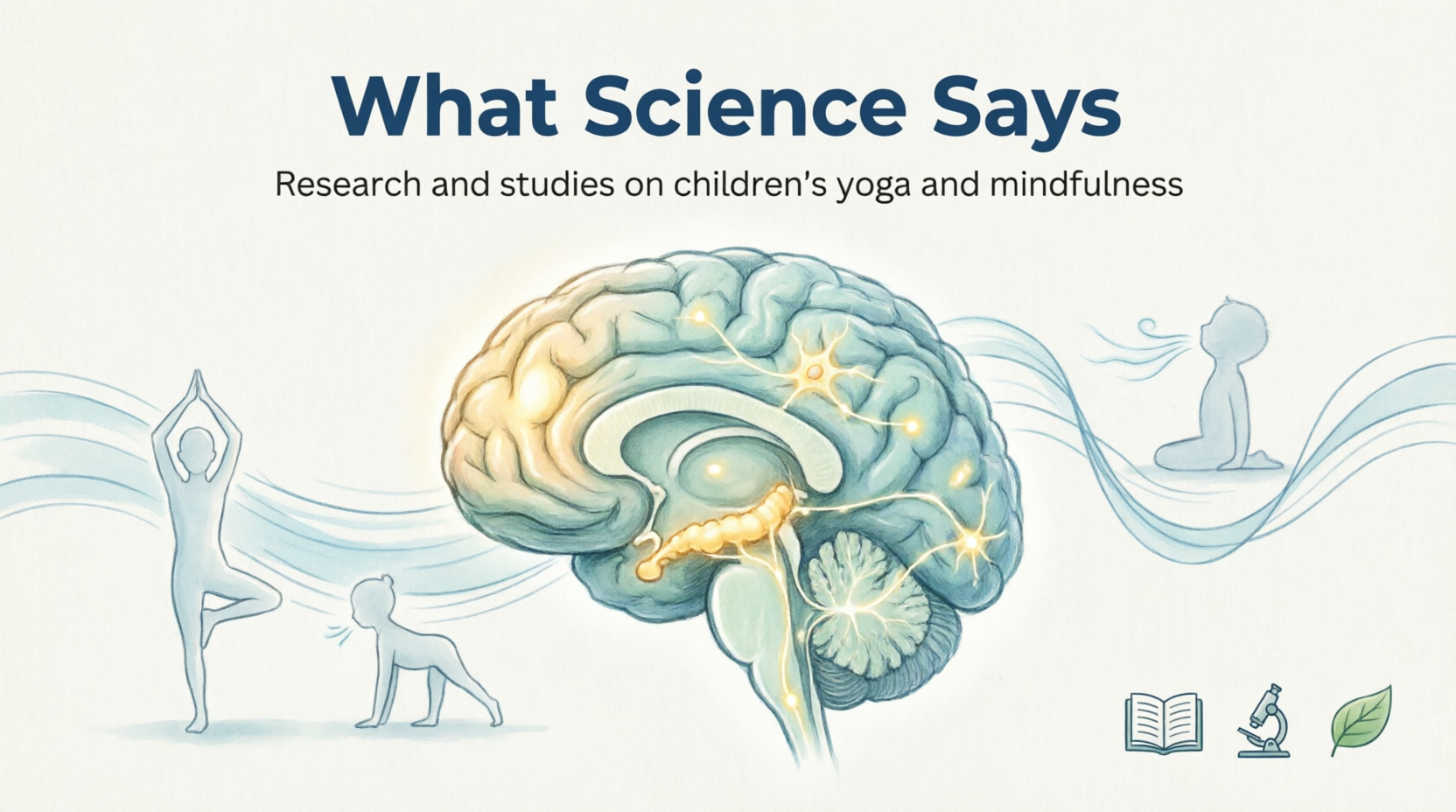
What Science Says
Many researchers have studied yoga and mindfulness in children.
Studies suggest that these practices may:
- Support emotional well-being
- Improve attention
- Reduce stress
- Help children manage difficult feelings
- Improve sleep quality
Deep breathing may also help calm the body's stress response.
While yoga is not a cure for every problem, it can become one healthy part of a balanced lifestyle.

Food Also Affects Behavior
Children's bodies and brains need healthy food.
Nutritious meals help children stay active and focused.
Choose foods like:
- Fresh fruits
- Vegetables
- Whole grains
- Milk or yogurt
- Eggs
- Beans
- Nuts, if suitable for your child
- Plenty of water
Try to limit:
- Sugary drinks
- Candy
- Chips
- Fast food
- Highly processed snacks
Healthy eating supports both physical and mental well-being.

Managing Screen Time Without Arguments
Many parents struggle with screen time.
Instead of suddenly taking devices away, make small changes.
For example:
After thirty minutes of screen time, invite your child to play outside, dance, stretch, or do a fun yoga game.
Children usually respond better when they are offered an interesting alternative instead of only hearing "No."
Balance works better than punishment.
Mistakes Parents Should Avoid
Many parents have good intentions but make small mistakes.
Try to avoid:
- Forcing yoga
- Expecting quick results
- Comparing children
- Turning yoga into punishment
- Being too strict
- Giving up after a few days
Remember that healthy habits grow slowly.
Patience is one of the greatest gifts a parent can give.
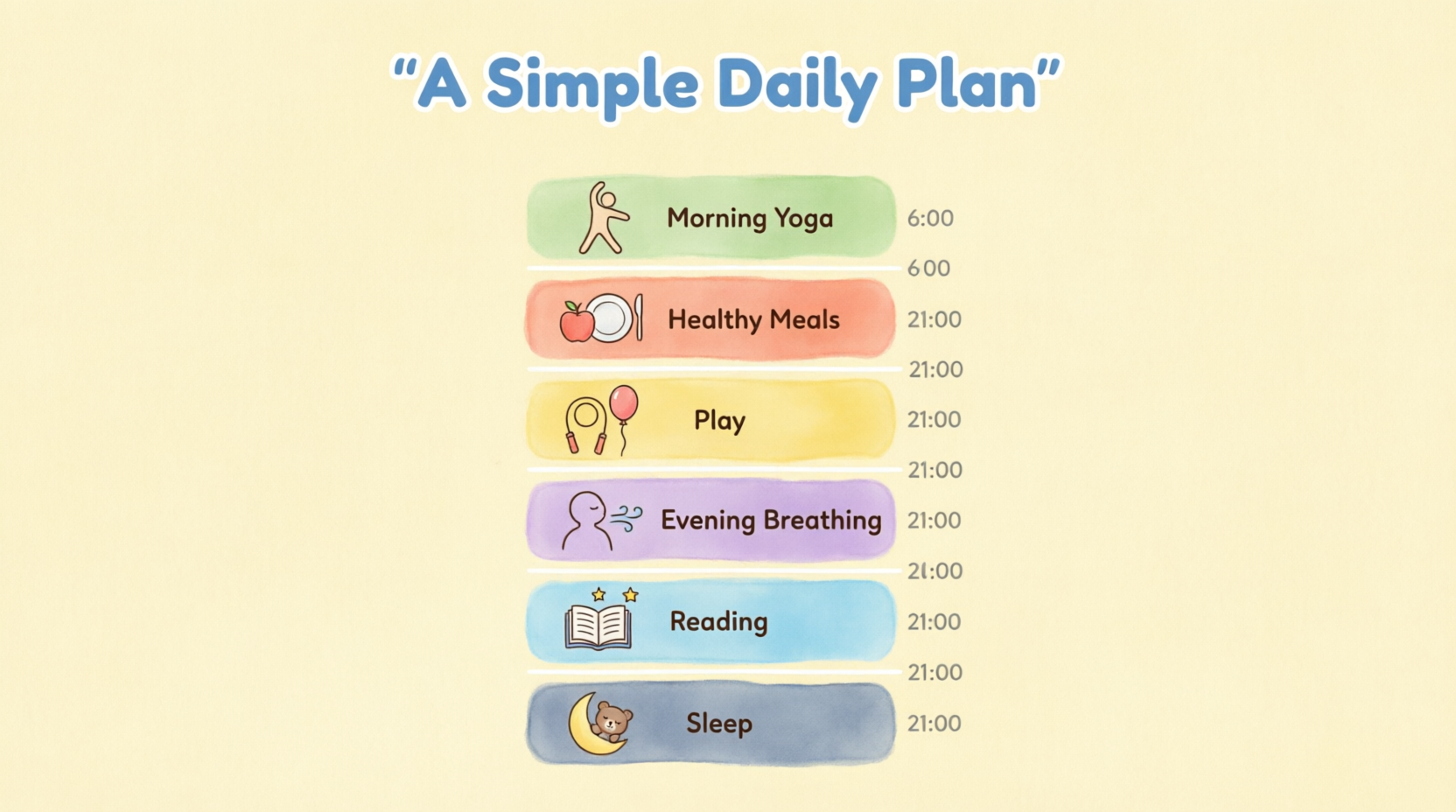
A Simple Daily Plan
Morning
- Wake up
- Drink water
- Five to ten minutes of yoga
- Healthy breakfast
Afternoon
- School
- Healthy lunch
- Outdoor play
Evening
- Family time
- Deep breathing
- Reading
Night
- No screens before bed
- Gratitude
- Good sleep
Even simple routines can create lasting positive habits.

The Long-Term Benefits
Children who grow up with healthy daily habits often learn valuable life skills.
Over time, they may become:
- More confident
- More patient
- Better at solving problems
- Kinder toward others
- More focused at school
- Better at handling stress
- Healthier in both body and mind
These qualities help children not only in school but throughout life.
Final Thoughts
There is no such thing as a perfect parent.
You do not need expensive classes or complicated routines.
Your child does not need perfection.
Your child needs your time, your patience, your love, and your example.
Start with five quiet minutes each day.
Stretch together.
Take a few slow breaths.
Share a story.
Say thank you.
Celebrate small progress.
Little moments repeated every day become lifelong habits.
When children grow up in a home filled with calm, kindness, movement, gratitude, and love, they carry those lessons with them for the rest of their lives.
The journey begins with one small step—and that step can start today.
Comments (0)
Please sign in to join the conversation.
No comments yet. Be the first to join the discussion!