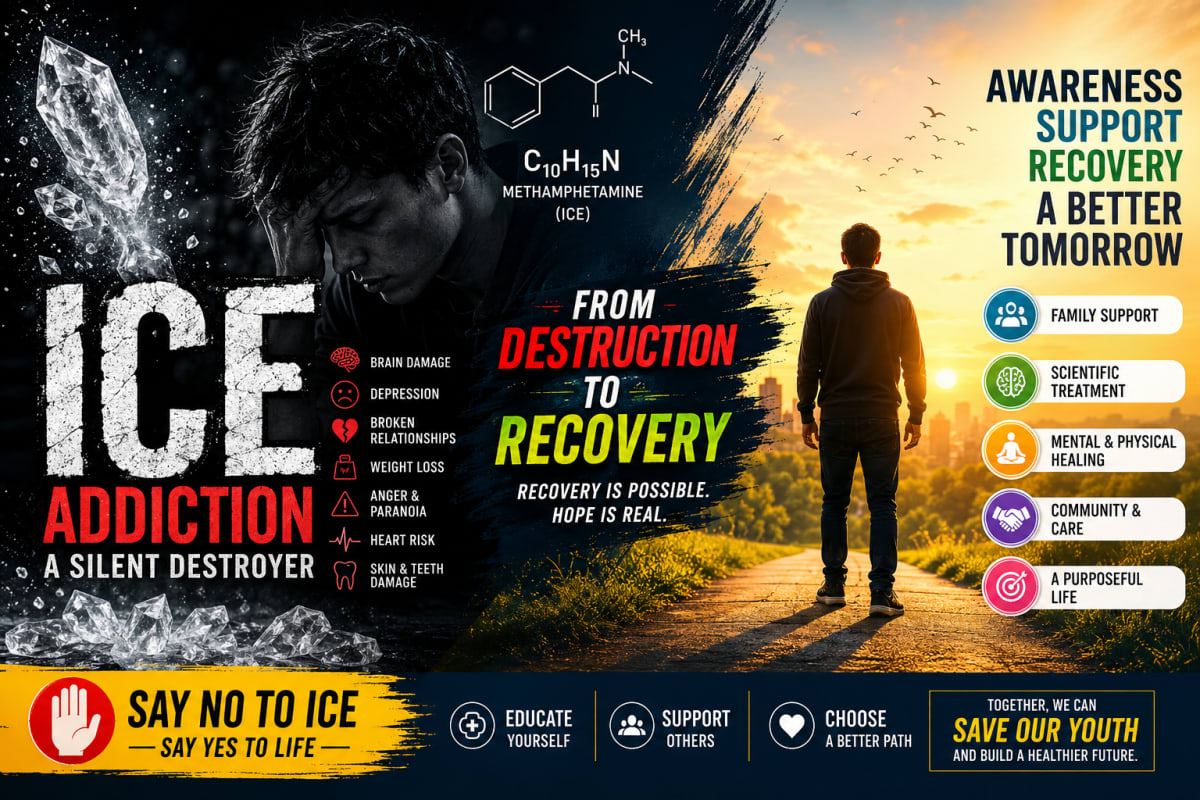
What is Ice Addiction?
Chemical Formula of Methamphetamine
How Ice Changes the Brain
Early Effects of Crystal Meth
Why Young People Become Addicted
Long-Term Effects of Ice Addiction
Five Scientific Recovery Methods
Government's Role in Preventing Drug Addiction
Universities and Drug Awareness
Parents' Responsibility in Prevention
Choosing the Right Friends
Final Message of Hope
Ice Addiction: What It Is, Why Young People Get Trapped, and How Recovery Is Possible
"Every addiction starts with a choice, but recovery starts with hope."
Drug addiction is one of the biggest challenges facing young people today. Among these drugs, Ice has become one of the most dangerous. Many young people try it because of friends, stress, curiosity, or the promise of feeling powerful and confident. But what starts as an experiment can slowly become a prison.
The good news is this: Recovery is possible. Thousands of people around the world have successfully overcome Ice addiction with the right treatment, support, and determination.
What is Ice?
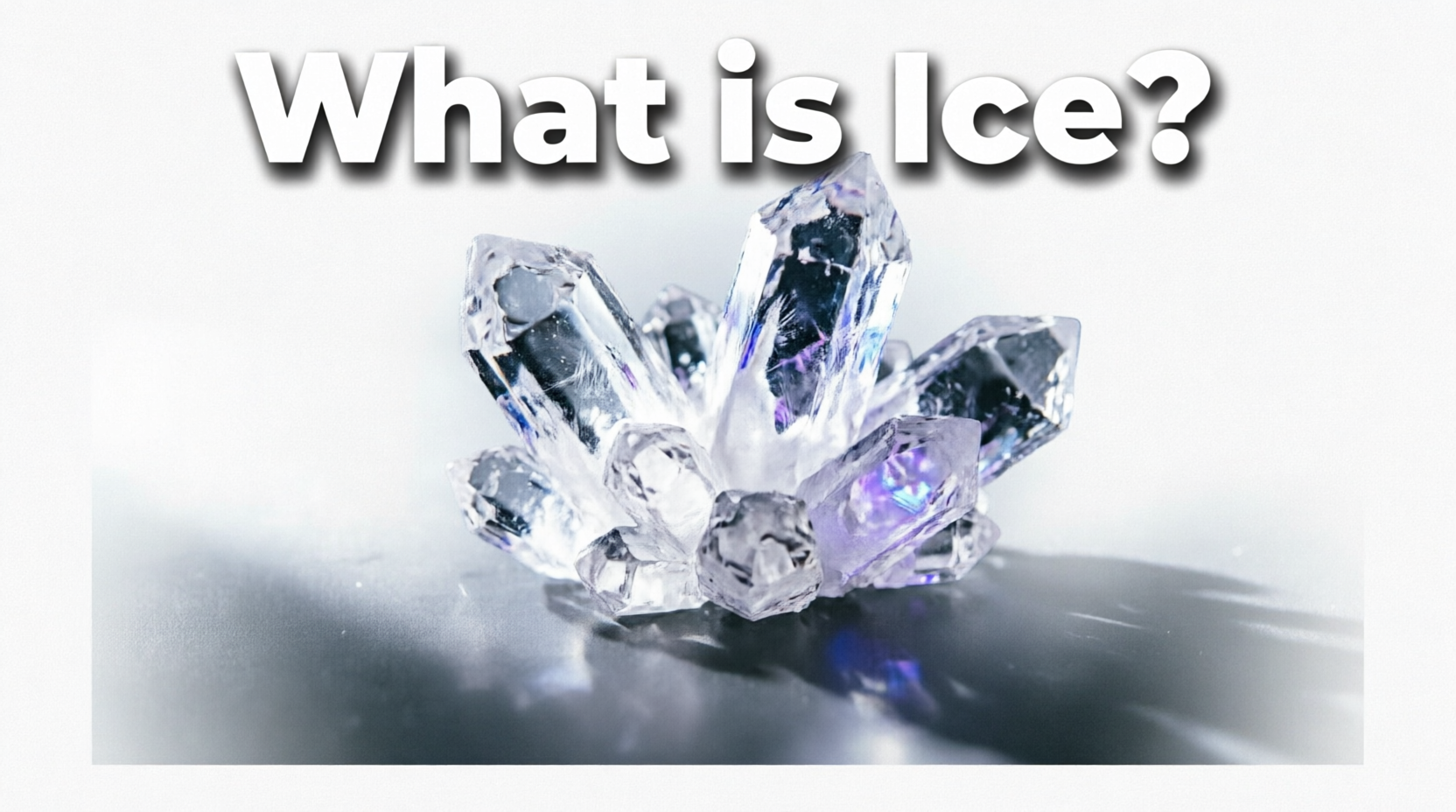
Ice is the street name for crystal methamphetamine. It is a very powerful stimulant drug that affects the brain and the central nervous system.
Chemical name: Methamphetamine
Chemical formula: C₁₀H₁₅N
It usually looks like clear or white crystals that resemble small pieces of ice, which is why it is called "Ice."
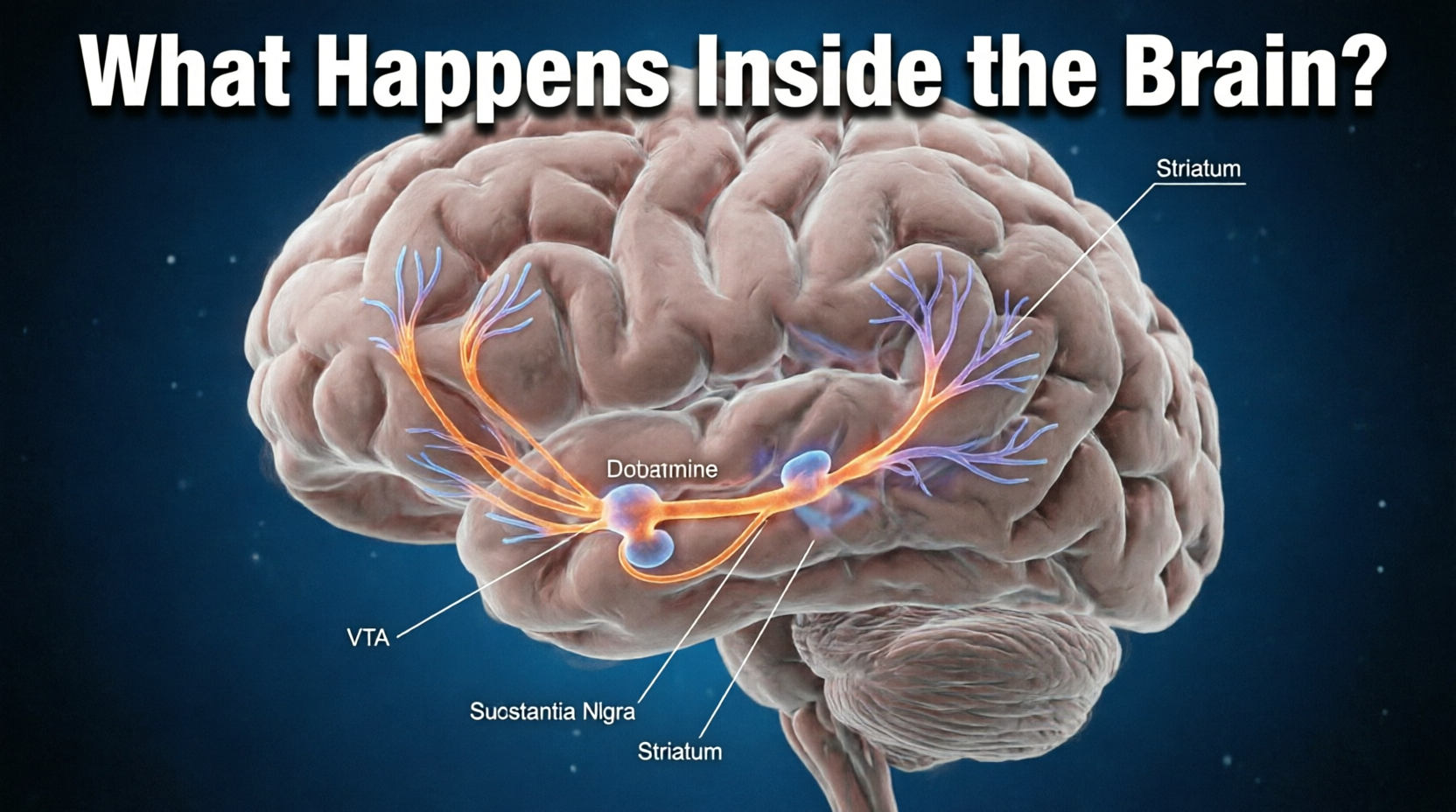
When someone smokes, injects, swallows, or snorts Ice, it quickly reaches the brain and causes a massive release of dopamine, a chemical that creates feelings of pleasure, motivation, and reward.
What Happens Inside the Brain?
The brain naturally releases dopamine in healthy amounts when we exercise, achieve a goal, spend time with loved ones, or enjoy good food.
Ice changes this natural system.
Instead of releasing a normal amount of dopamine, it forces the brain to release an extremely high amount all at once. This creates an intense "high."
At first, the person may feel:
- Extremely energetic
- Very confident
- Happy and excited
- Awake for many hours
- Less hungry
- More talkative
- Feeling stronger than usual
This excitement does not last.
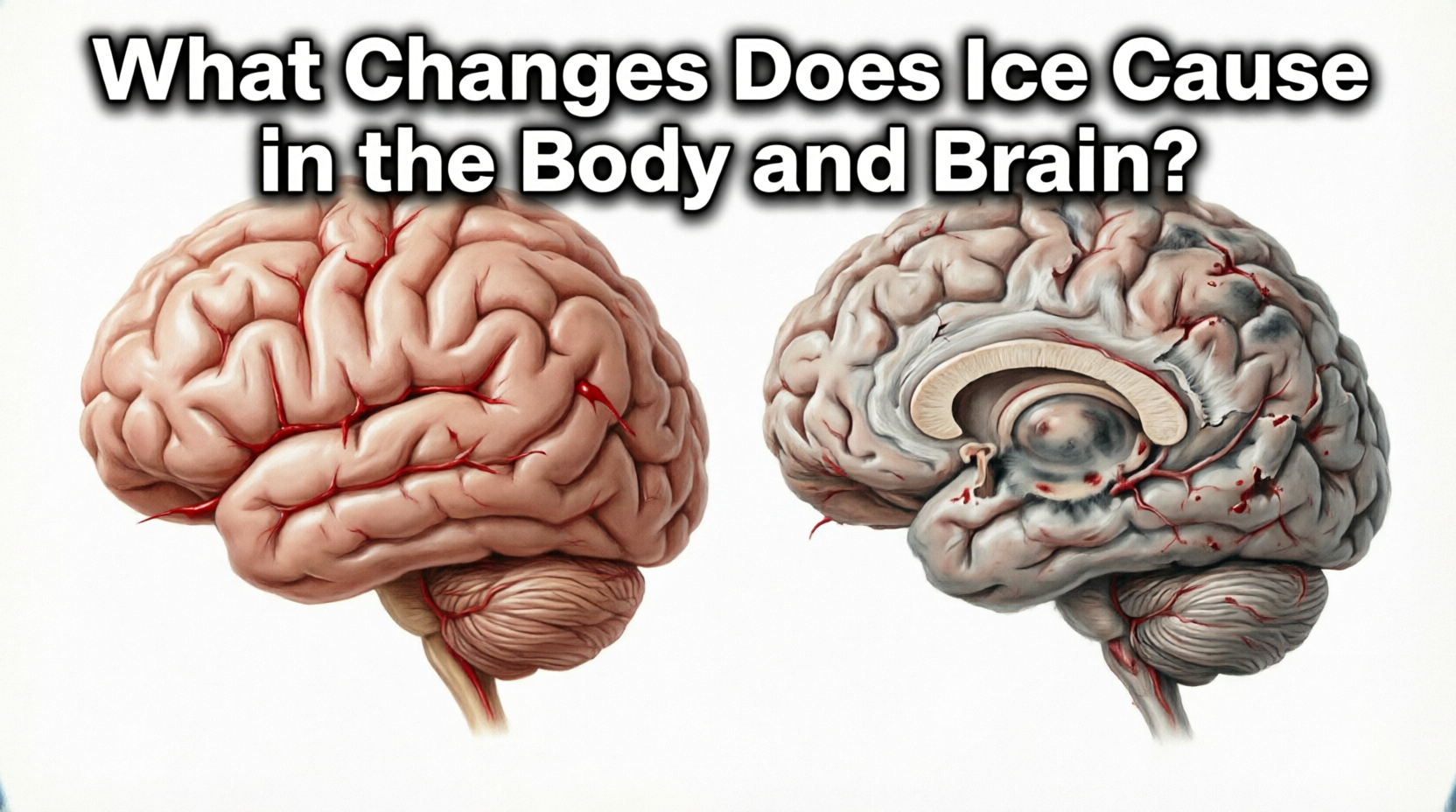
With repeated use, the brain becomes damaged. It starts producing less dopamine naturally. After some time, the person cannot feel happy without using Ice.
This is how addiction begins.
What Changes Does Ice Cause in the Body and Brain?
Long-term use can lead to:
- Memory problems
- Poor concentration
- Anxiety
- Depression
- Aggressive behaviour
- Hallucinations
- Paranoia
- Weight loss
- Severe sleep problems
- High blood pressure
- Increased risk of heart attack and stroke
- Damage to teeth and skin
- Weak immune system
Many users also lose relationships, education, jobs, and financial stability.
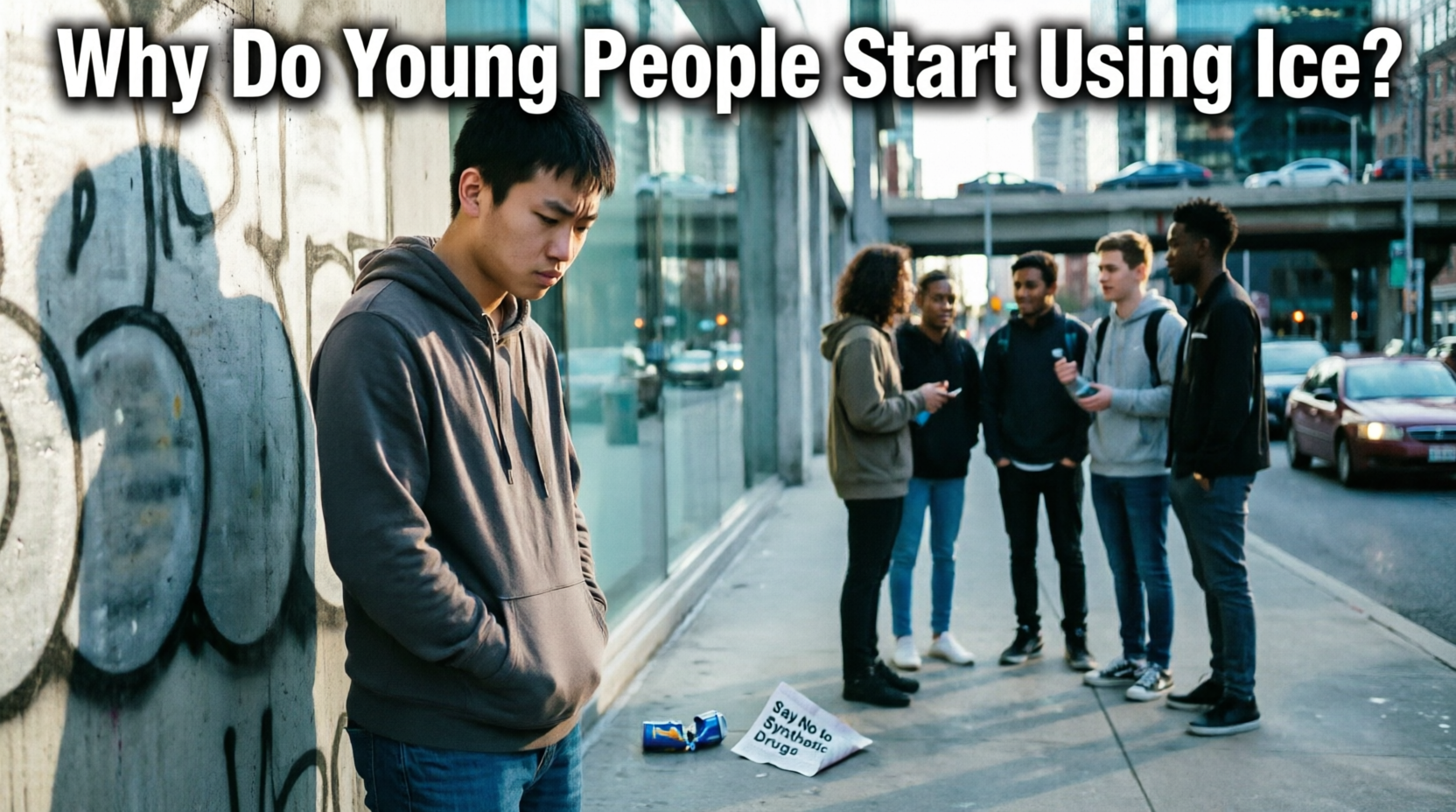
Why Do Young People Start Using Ice?
There is never just one reason. Usually, several factors come together.
1. Peer Pressure
Friends may encourage someone to "try it just once."
2. Curiosity
Many teenagers want to experience something new without understanding the risks.
3. Stress
Academic pressure, unemployment, or family problems can push someone toward drugs.
4. Depression or Anxiety
Some people use Ice to escape emotional pain for a short time.
5. Family Environment
Growing up around addiction or violence increases the risk.
6. Easy Availability
When drugs become easier to obtain, more young people experiment.
7. Social Media Influence
Some online content makes drug use appear exciting or fashionable.
8. Lack of Awareness
Many users do not know how quickly Ice damages the brain.
9. Low Self-Esteem
Some young people believe drugs will make them more confident.
10. Lack of Positive Activities
Without sports, education, skills, or meaningful hobbies, some young people become more vulnerable to addiction.
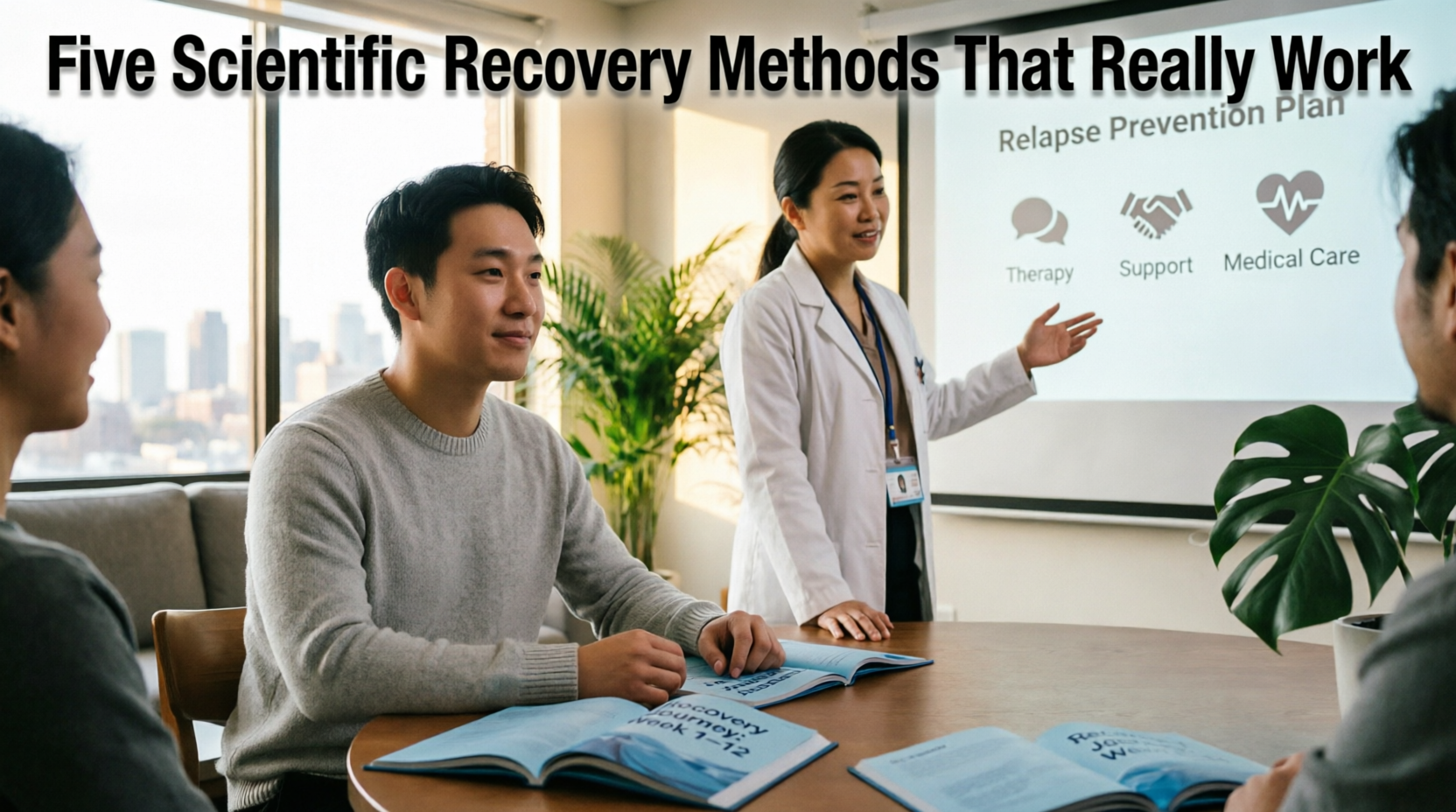
Five Scientific Recovery Methods That Really Work
Recovery is not about willpower alone. Addiction changes the brain, so treatment should be based on science.
1. Contingency Management (One of the Most Effective Treatments)
This is one of the strongest evidence-based treatments for stimulant addiction.
People receive positive rewards for staying drug-free, attending treatment sessions, and providing negative drug tests.
This method helps rebuild healthy habits and motivation.
Research has repeatedly shown that it improves recovery rates for methamphetamine addiction.
2. Community Reinforcement Approach (CRA)
This treatment helps people build a better life without drugs.
Instead of focusing only on stopping drug use, CRA improves employment, family relationships, healthy hobbies, communication skills, and daily routines.
When life becomes meaningful again, addiction gradually loses its power.
3. Cognitive Behavioural Therapy (CBT)
CBT teaches people to understand the thoughts and situations that trigger drug use.
Instead of automatically using Ice when stressed or depressed, they learn healthier ways to cope.
CBT remains one of the best-supported therapies for stimulant addiction.
4. Exercise-Based Brain Recovery
Modern neuroscience shows that regular aerobic exercise helps the brain recover.
Walking, running, cycling, swimming, and strength training improve dopamine balance, reduce cravings, improve sleep, and lower depression and anxiety.
Exercise is now included in many addiction recovery programmes because it supports both physical and mental healing.
5. Family-Based Recovery and Recovery Coaching
Recovery becomes much stronger when families are trained to support—not shame—the person.
Recovery coaches, peer support workers, and structured family programmes help prevent relapse by providing encouragement, accountability, and practical guidance.
People who recover rarely do it completely alone.
Recovery Takes Time
The brain does not heal overnight.
The first few weeks may include:
- Strong cravings
- Poor sleep
- Mood swings
- Depression
- Low energy
This is normal.
With continued treatment, healthy routines, exercise, proper nutrition, counselling, and family support, the brain slowly begins to recover.
Many people return to work, university, and family life after recovery.

What Should Governments Do?
Governments have a major responsibility in protecting young people.
They should:
- Strengthen action against drug trafficking.
- Increase access to affordable addiction treatment.
- Establish modern rehabilitation centres in every region.
- Train healthcare professionals in evidence-based addiction treatment.
- Launch nationwide awareness campaigns in schools, universities, television, and social media.
- Support research into addiction prevention and recovery.
- Create employment and skill-development programmes for recovering individuals.
- Reduce stigma so people seek help early instead of hiding their addiction.

What Should Universities Do?
Universities are often where young adults face new pressures.
They should:
- Organise regular awareness seminars.
- Provide confidential mental health counselling.
- Train teachers to recognise early warning signs.
- Create student support groups.
- Encourage sports, volunteering, and healthy activities.
- Build systems where students can safely ask for help without fear of punishment.

What Should Parents Do?
Parents are the first line of protection.
They should:
- Spend quality time with their children.
- Listen without immediately judging.
- Know who their children's friends are.
- Notice sudden changes in behaviour, sleep, money, or academic performance.
- Teach healthy ways to deal with stress.
- Seek professional help early if warning signs appear.
- Never use shame or humiliation as a way to stop addiction.
A child who feels understood is much more likely to ask for help.
Choosing Friends Carefully
Friends influence behaviour more than many people realise.

Young people should:
- Choose friends who encourage education and personal growth.
- Avoid groups where drug use is considered normal.
- Leave situations where drugs are offered.
- Stay connected with positive mentors, teachers, coaches, or family members.
- Remember that one wrong decision can change an entire future.

A Message to Every Young Person
If you are struggling with Ice addiction, please remember this:
You are not your addiction.
Recovery is possible.
Many people who once believed their lives were over are now healthy, employed, studying, raising families, and helping others recover.
The first step is simply asking for help.
That one decision can change everything.

Final Words
Ice addiction is a serious medical condition, but it is not the end of someone's story. Science has shown that the brain can heal, families can rebuild trust, and people can return to meaningful lives. Governments, universities, parents, teachers, and communities all have a role to play, but the most powerful message is this: every young person deserves the chance to recover.
"Saving one young life does not change the whole world, but for that young person, it changes their entire world."
Comments (0)
Please sign in to join the conversation.
No comments yet. Be the first to join the discussion!