
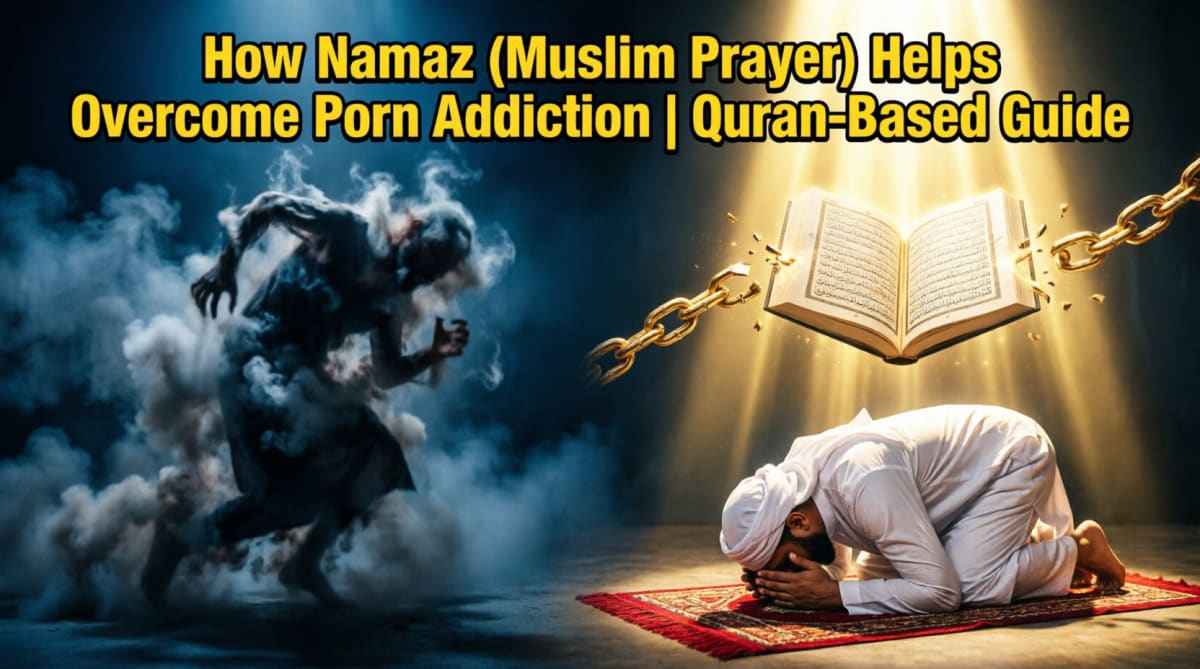
How Muslim Prayer (Namaz) Can Help You Overcome Porn Addiction.
Table of Contents
1. The Promise in the Quran
2. Why Good People Still Fall Into Bad Habits
3. Understanding Addiction Before We Fight It
4. Wudu: The First Step of Reset
5. Takbeer-e-Tahrima: The Moment You Stop the World
6. Qiyam: Standing Still, Standing Strong
7. Ruku: Bowing Down the Ego
8. Sajda: The Most Powerful Position on Earth
9. Tashahhud: Sitting in Stillness
10. Making Namaz Your Daily Shield
11. A Simple 5-Prayer Plan to Break the Habit
12. Final Words
Millions of Muslims pray five times a day. Yet many of them still struggle, quietly and privately, with porn addiction. This creates a painful question: if the Quran promises that prayer stops indecency, why do so many praying people still fall into this trap?
This article is not here to judge anyone. It is here to explain the promise Allah made about prayer, why the promise is true, and how you can actually pray in a way that helps you break free from porn addiction — not just go through the motions.
1. The Promise in the Quran.
Allah says in the Quran, Surah Al-Ankabut, verse 45:
Arabic:
إِنَّ الصَّلَاةَ تَنْهَىٰ عَنِ الْفَحْشَاءِ وَالْمُنكَرِ
Urdu Translation:
بے شک نماز بے حیائی اور برائی سے روکتی ہے۔
English Translation:
"Indeed, prayer prohibits immorality and wrongdoing."
This is not a small claim. This is a direct promise from Allah that real, properly performed prayer has the power to stop a person from indecent acts — and porn addiction is exactly that kind of indecency.
So if the promise is true, why doesn't it always work?
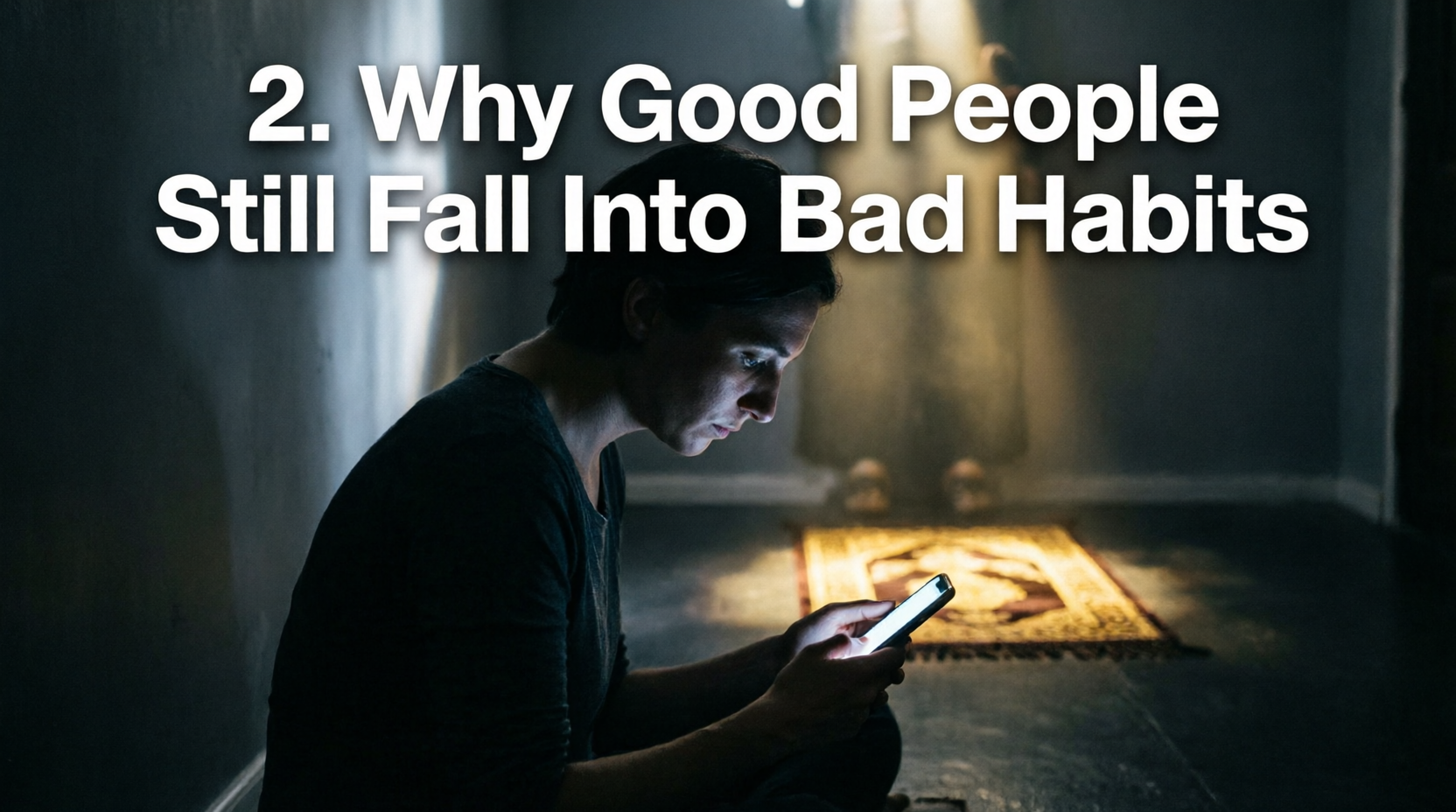
2. Why Good People Still Fall Into Bad Habits.
The honest answer is this: many of us pray with our bodies but not with our minds. We stand, we bow, we prostrate, we say the words — but our thoughts are somewhere else entirely. We are thinking about work, food, an argument, or scrolling through our phone in our head.
The Quran is not describing a physical ritual done on autopilot. It is describing a prayer that is *present* — where the heart is engaged, not just the limbs. A prayer without presence is like taking medicine without swallowing it. The bottle is empty, but the sickness stays.
The good news is: presence is a skill. It can be learned. And once you learn it, this same prayer that felt empty before starts becoming the tool Allah promised it would be.

3. Understanding Addiction Before We Fight It
Before we get into the plan, it helps to understand what addiction actually is. Porn addiction, like any habit, runs on a simple loop:
A trigger (boredom, stress, loneliness, being alone with a phone)
A routine (opening the app or site)
A reward (a quick dopamine hit)
The way to break any addiction is not just willpower — it's "replacing" the routine with something else that interrupts the loop and gives the mind something better to hold onto. This is where namaz becomes so powerful. It gives you a structured, repeated, physical and mental routine — five times a day — that can directly replace the addiction loop, if you use it correctly.
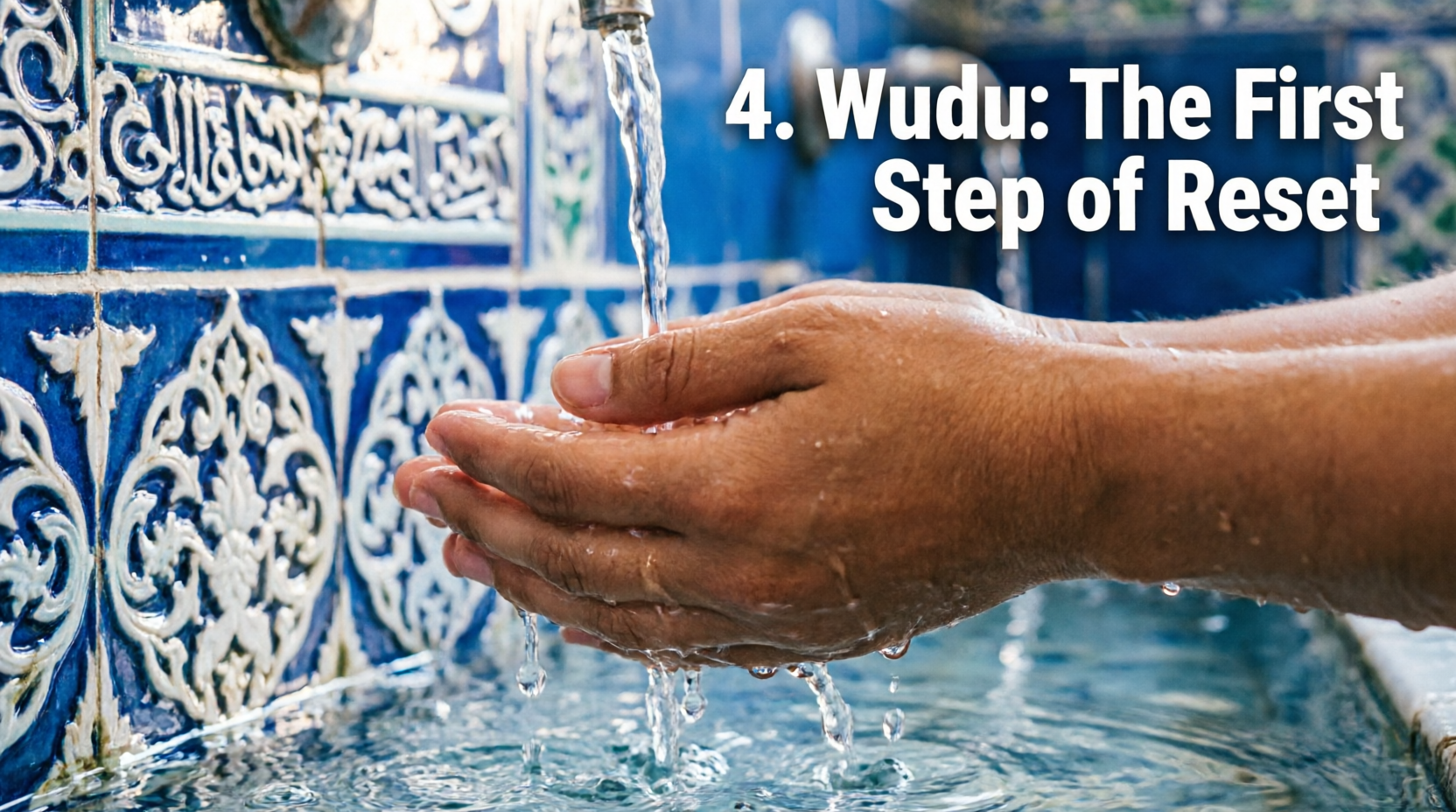
4. Wudu: The First Step of Reset
Before namaz even begins, you perform wudu. You wash your hands, your mouth, your nose, your face, your arms, your head, and your feet.
Think about what this does on a simple, practical level: it physically interrupts you. It gets you up, moves your body, uses cold water, and forces a short pause between whatever you were doing and the prayer you are about to do. This pause is valuable. Addiction thrives in unbroken moments of idle time. Wudu breaks that idle time on purpose, five times a day.
Use this moment consciously. While washing, silently tell yourself: *"I am washing away distraction. I am preparing to stand in front of Allah."*
There is a simple science point here too. Cold water on the skin is known to calm down a racing nervous system. It slows a fast heartbeat and pulls your attention away from whatever thought was bothering you. This is not a magic cure, but it is a real, physical way to break your focus away from a bad thought and bring it back to the present moment.

5. Takbeer-e-Tahrima: The Moment You Stop the World.
When you raise your hands to your ears and say "Allahu Akbar," you are declaring that everything else in this moment does not matter. This is called Takbeer-e-Tahrima — the opening declaration that makes everything besides Allah "forbidden" to your attention for the next few minutes.
This is a mental switch. In simple terms, you are telling your brain: *stop everything, this moment belongs to something bigger than my urges, my phone, my stress.* If you say this with real attention, not by habit, it works like pressing a reset button on your thoughts.
From a simple science point of view, this moment works like what psychologists call a "pattern interrupt." When you say a fixed, meaningful phrase out loud with full attention, it pulls your mind away from whatever loop of thought it was stuck in. It does not need a special chemical explanation — it works the same simple way that saying "stop" out loud can break a spiraling thought. The power here is in the interruption and the intention behind it.
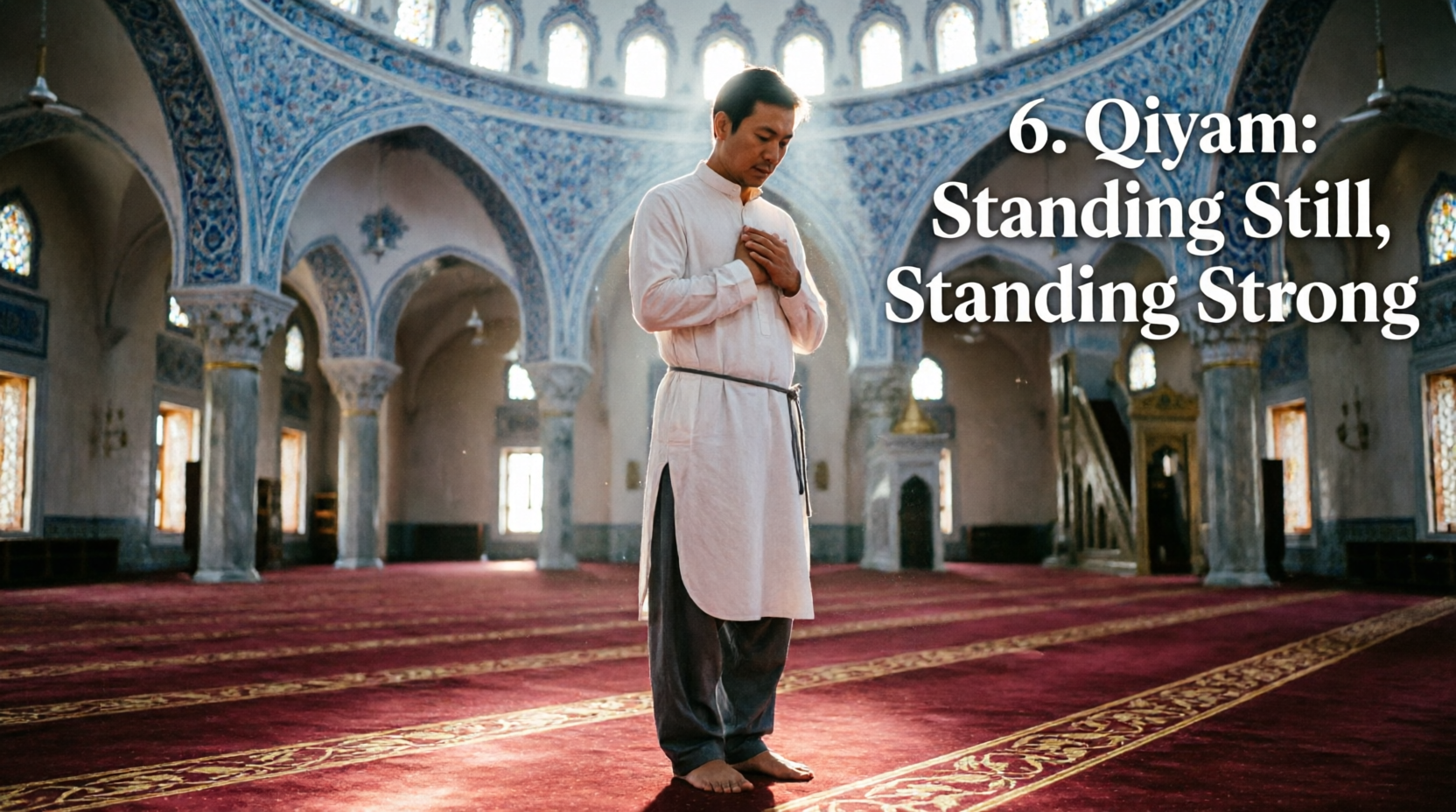
6. Qiyam: Standing Still, Standing Strong.
When you stand for prayer with your hands folded, you are practicing something addiction destroys: stillness. Addiction wants you restless, reaching, scrolling, needing something. Standing calmly in qiyam, reciting slowly, is training your mind to be at peace without needing a screen or a stimulus.
Every time you stand in qiyam with attention, you are proving to yourself that you can be still and calm without reaching for anything. That is a skill directly opposite to addiction.
Standing calmly and reciting slowly also naturally slows down your breathing. Slow, steady breathing is one of the most well-tested ways to calm the body's stress response. When your body feels calmer, urges and cravings also tend to feel weaker and easier to sit with, instead of feeling like something you must act on right away.
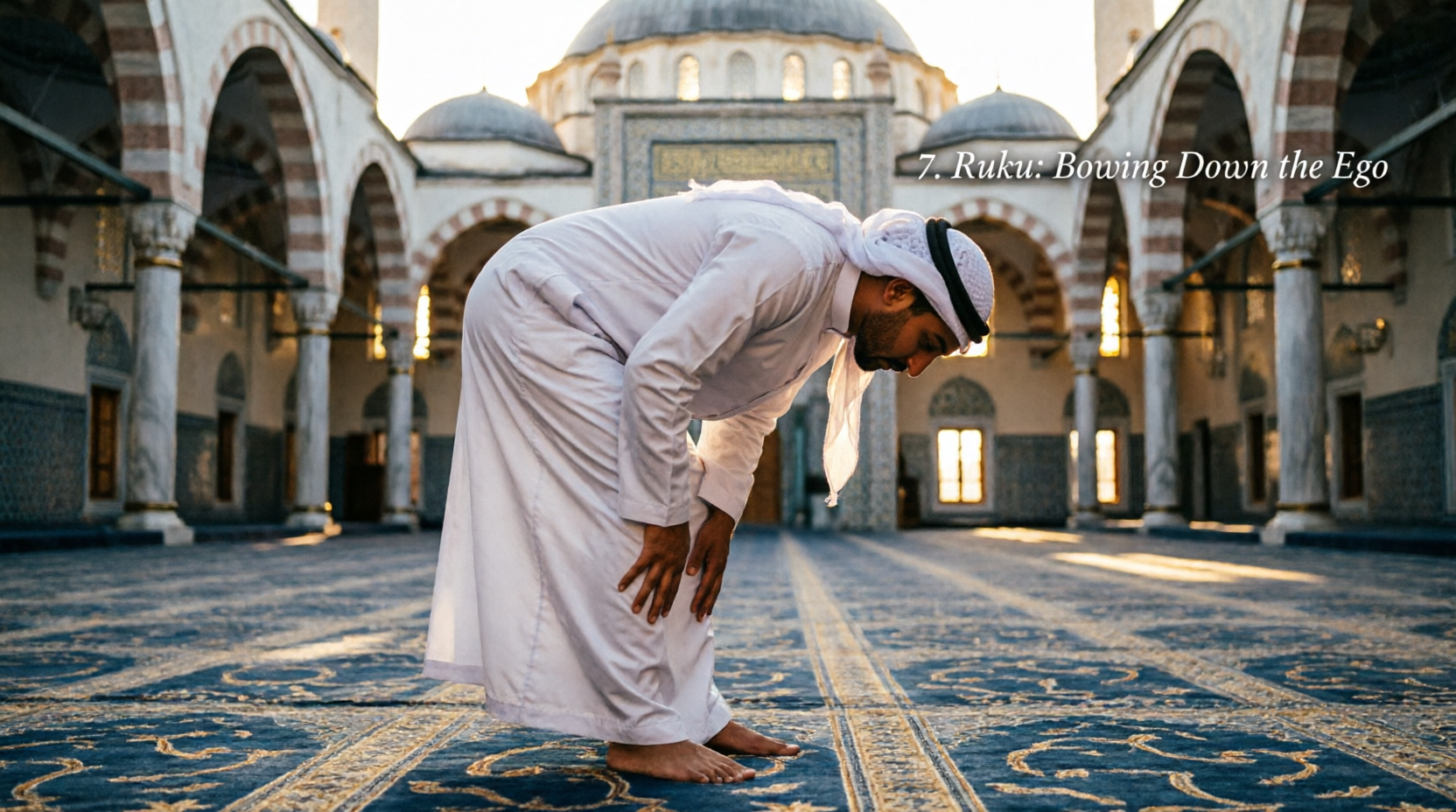
7. Ruku: Bowing Down the Ego
In ruku, you bow at the waist, hands on knees, and say "Subhana Rabbiyal Azeem" — Glory be to my Lord, the Great. This posture is one of humility. You are physically lowering yourself.
Addiction often grows in secret pride — the feeling that "I can handle this myself" or the shame that keeps a person hiding rather than seeking help. Ruku is the opposite of that pride. It is you, admitting you are small, and that Allah is greater than your struggle. Say this dua with the actual meaning in mind: *my urges are not greater than my Lord.*
There is also a simple body-mind connection here. Researchers have found that the position of our body can affect the way we feel. Standing tall and proud can increase feelings of stubbornness and ego, while a bowed, humble posture is linked with calmer, more settled emotions. Ruku uses this same idea — the body physically bows, and the mind naturally follows into a calmer, more humble state.
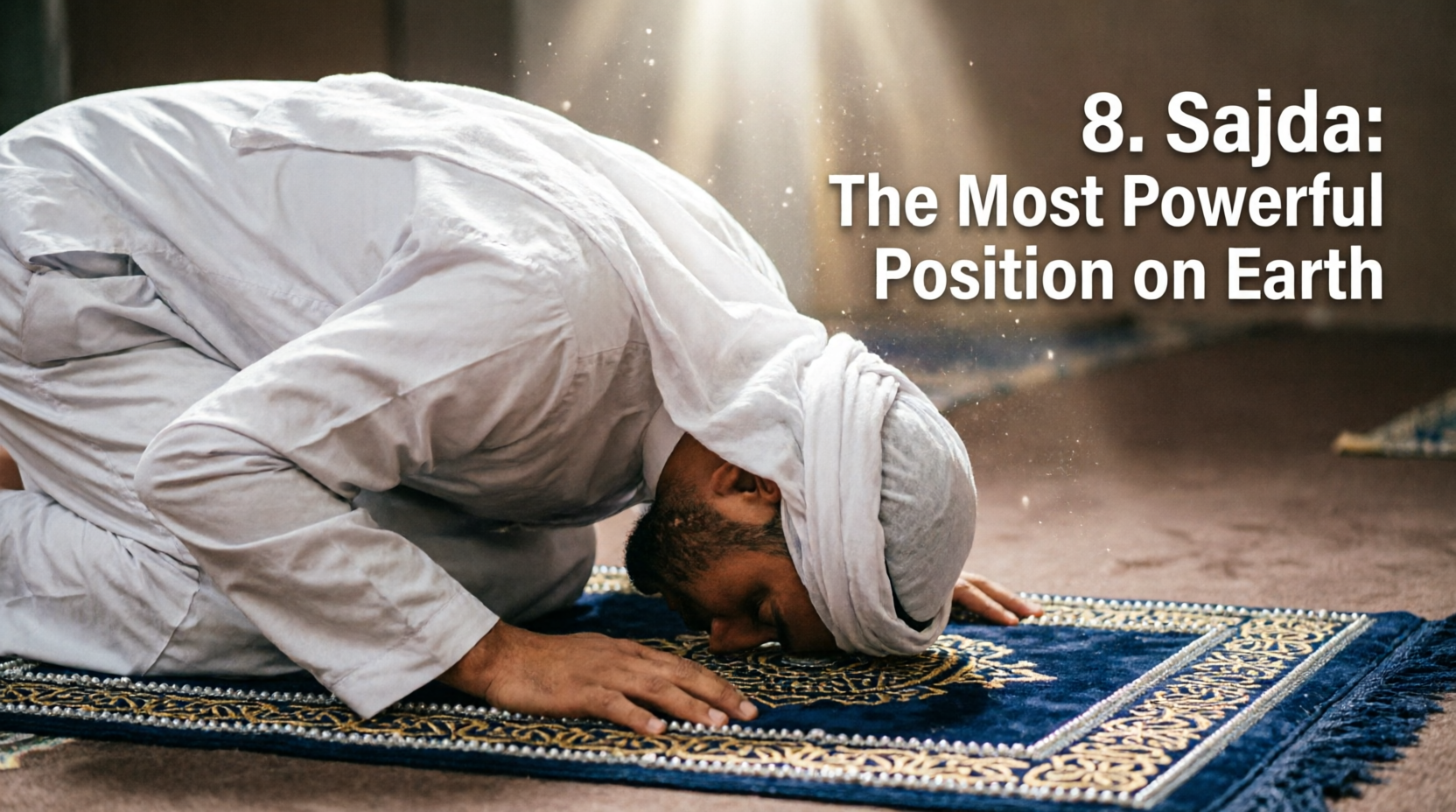
8. Sajda: The Most Powerful Position on Earth
Sajda — the prostration, forehead on the ground — is described by the Prophet ﷺ as the position in which a person is closest to Allah. This is the moment to be completely honest. Not a rushed few seconds, but real words, in your own language, admitting the struggle:
"O Allah, I am tired of this addiction. Help me. Give me strength today, this hour, this moment."
There is something deeply grounding about literally putting your head on the floor. It is the opposite of the pride, secrecy, and isolation that addiction needs to survive. Addiction hides in silence; sajda is you speaking your struggle out loud to the One who already knows it.
On a simple physical level, this is also the most restful position in the entire prayer. The head is lowered below the heart, breathing naturally slows down even more, and the body is fully still. This kind of stillness is known to help calm down the body's stress response, the same response that often gets triggered right before someone gives in to a craving. A calmer body genuinely makes it easier to resist an urge in that moment.

9. Tashahhud: Sitting in Stillness.
In tashahhud, you sit calmly and recite words of testimony and peace. This is the closing stillness of the prayer — a moment to simply sit, breathe, and absorb everything you just did. Use this moment to make one small promise to yourself: *"Until my next prayer, I will guard my eyes and my time."*
This turns tashahhud into a checkpoint — not just an ending, but a renewed commitment before you step back into your day.
Sitting calmly and repeating fixed words is also, in simple terms, a form of what is called mindful repetition. This kind of practice is known to help settle a busy or anxious mind, the same kind of mental state that often leads a person toward a habit like this one. Ending the prayer in this calm, focused state helps you carry a little of that calmness back into the rest of your day.
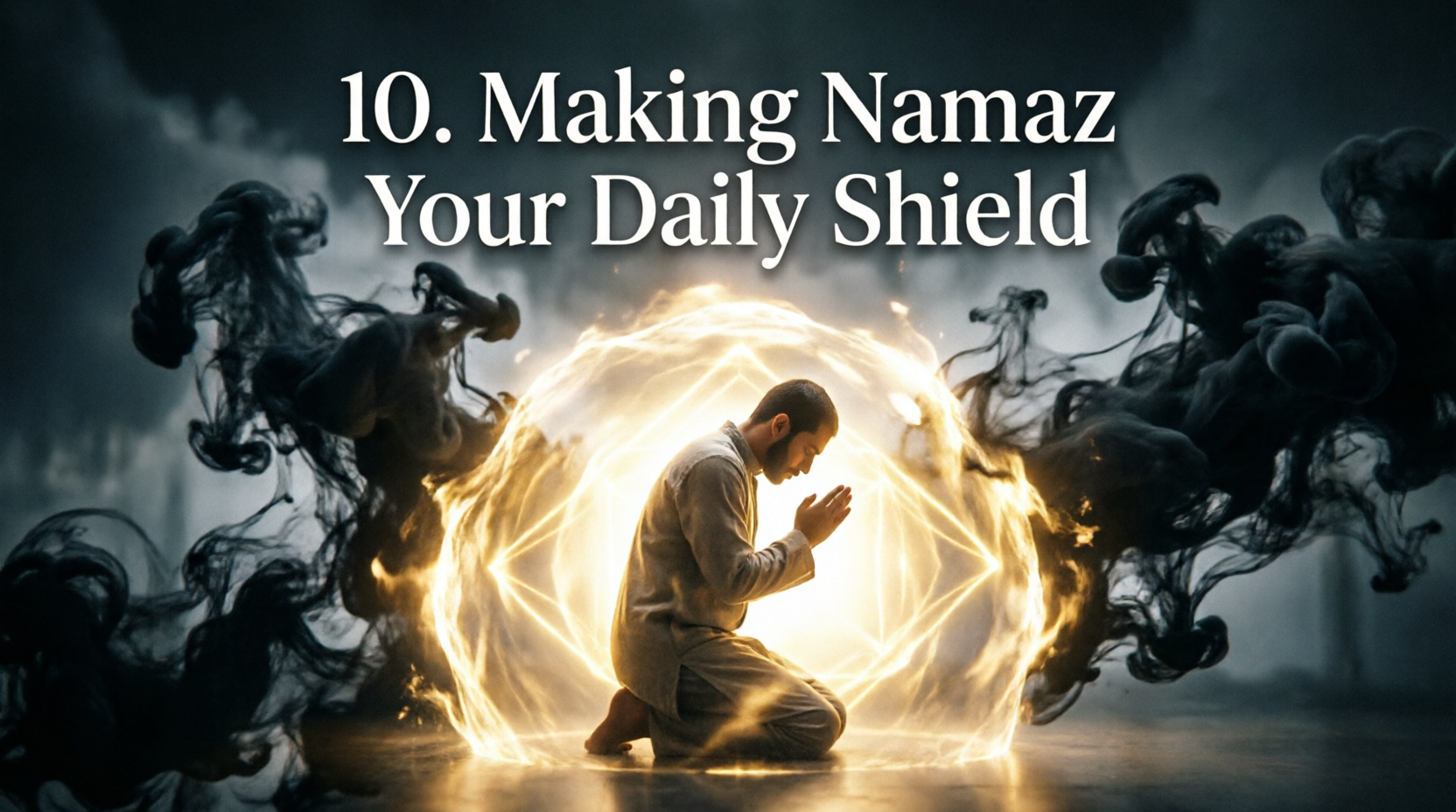
10. Making Namaz Your Daily Shield
Five prayers a day means five reset points a day. If you treat each prayer as a real conversation with Allah rather than a routine to finish quickly, you are giving yourself five chances daily to interrupt bad thoughts, refocus your mind, and recommit to staying clean.
The key is consistency and presence — not perfection. Some days will be harder than others. That is normal. What matters is that you keep showing up for each prayer, honestly.
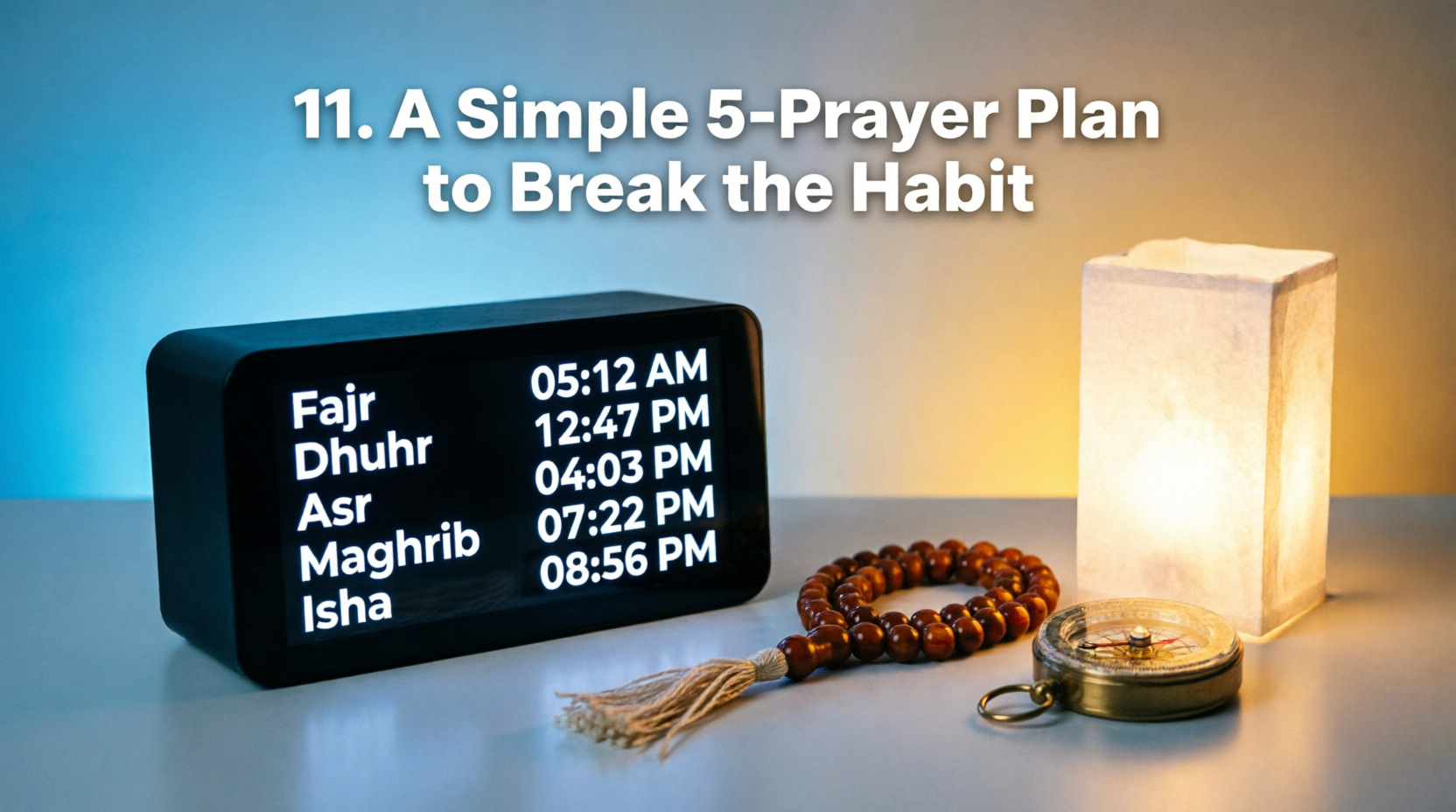
11. A Simple 5-Prayer Plan to Break the Habit.
Here is a practical plan you can start today:
1. Fajr— Before you even touch your phone, pray. Ask Allah for a clean day ahead.
2. Zuhr — Use this prayer to check in with yourself: how has the day gone so far?
3. Asr — This is often the low-energy, high-temptation time. Make this prayer longer, slower, and more sincere.
4. Maghrib — Reflect on the day. Be honest in sajda about any struggles.
5. Isha — Before sleeping (a common high-risk time for this addiction), pray with full presence and ask for protection through the night. Avoid your phone right after this prayer if possible.
Alongside this, keep your phone out of the bedroom at night, stay busy during idle hours, and don't isolate yourself — talk to someone you trust if the struggle feels too heavy.

12. Final Words.
Allah's promise in the Quran is real: prayer does stop indecency and wrongdoing. But it works when we actually pray — with our hearts present, our words understood, and our efforts sincere. Porn addiction is a heavy struggle, but it is not bigger than the mercy of Allah or the power of a sincere prayer.
Start today. Not
a perfect prayer, just an honest one. Five times a day, give yourself a real chance to reset. That is where the real change begins.
Comments (0)
Please sign in to join the conversation.
No comments yet. Be the first to join the discussion!