
How Europeans Can Stay Motivated During This Summer's Heatwaves.
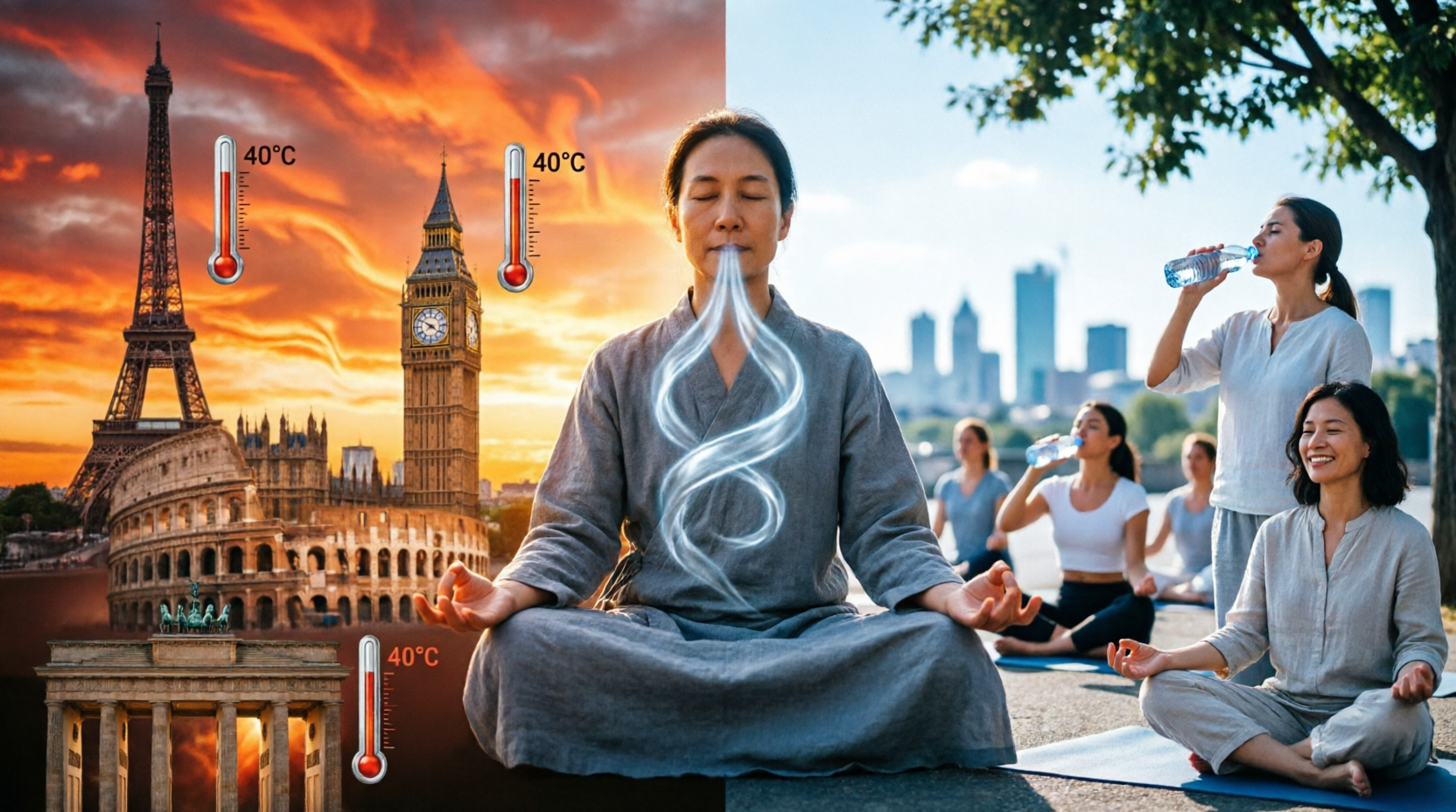
Europe has always been known for mild summers and cold, long winters. People built their homes, their clothes, and even their daily habits around cool weather. That is why this year's heat has caught so many people off guard. Cities that rarely cross 30 degrees are now seeing temperatures close to 40. Homes without air conditioning are turning into ovens. And people who are used to walking, cycling, and sitting outside in cafes are suddenly stuck indoors, tired, cranky, and unmotivated.

Why Is Europe Suddenly So Hot?
The short answer is climate change, but there is more to it. Europe sits in a part of the world where the jet stream, a fast band of air high above the earth, controls a lot of the weather. In recent years, this jet stream has been getting weaker and more unpredictable. When it slows down or gets stuck, hot air from North Africa gets pulled up and just sits over Europe for days or weeks. This is called a heat dome, and it is one of the main reasons why cities like Paris, Rome, Madrid, and even London are seeing record-breaking heat.
On top of that, most European cities were built centuries ago with thick stone buildings, narrow streets, and very little green space. These cities trap heat instead of releasing it, a problem scientists call the urban heat island effect. Add to this the fact that most European homes were never built with air conditioning because they never needed it, and you get a population that is simply not prepared, physically or mentally, for this kind of heat.
What Is Happening Inside Your Brain?
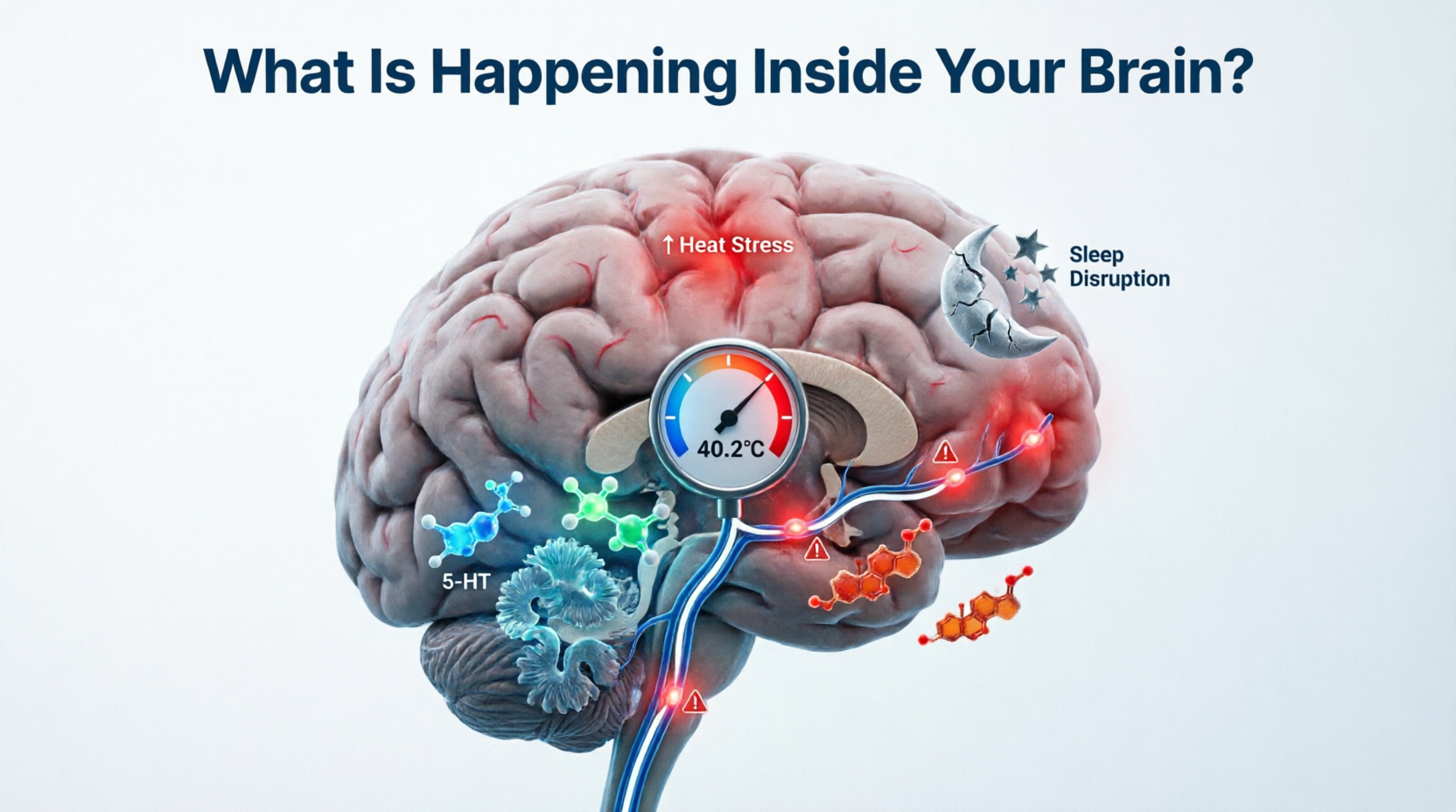
Heat does not just make you sweat, it actually changes how your brain works. When your body gets too hot, it has to work overtime to cool itself down, and this uses up energy that your brain normally uses for thinking clearly. Serotonin, the chemical that helps keep your mood stable, drops when your body is under heat stress. At the same time, cortisol, the stress hormone, goes up. This combination is exactly why people feel irritable, foggy, and low on motivation during a heatwave.
There is also the sleep problem. Melatonin, the hormone that tells your body it is time to sleep, is very sensitive to temperature. Hot nights disturb melatonin production, which means broken sleep, and broken sleep makes everything else worse the next day. So if you feel like you cannot think straight or you have zero energy during a heatwave, it is not laziness. It is your brain chemistry reacting to an environment it is not built for.
The Therapy the Whole World Talks About: The Wim Hof Method.
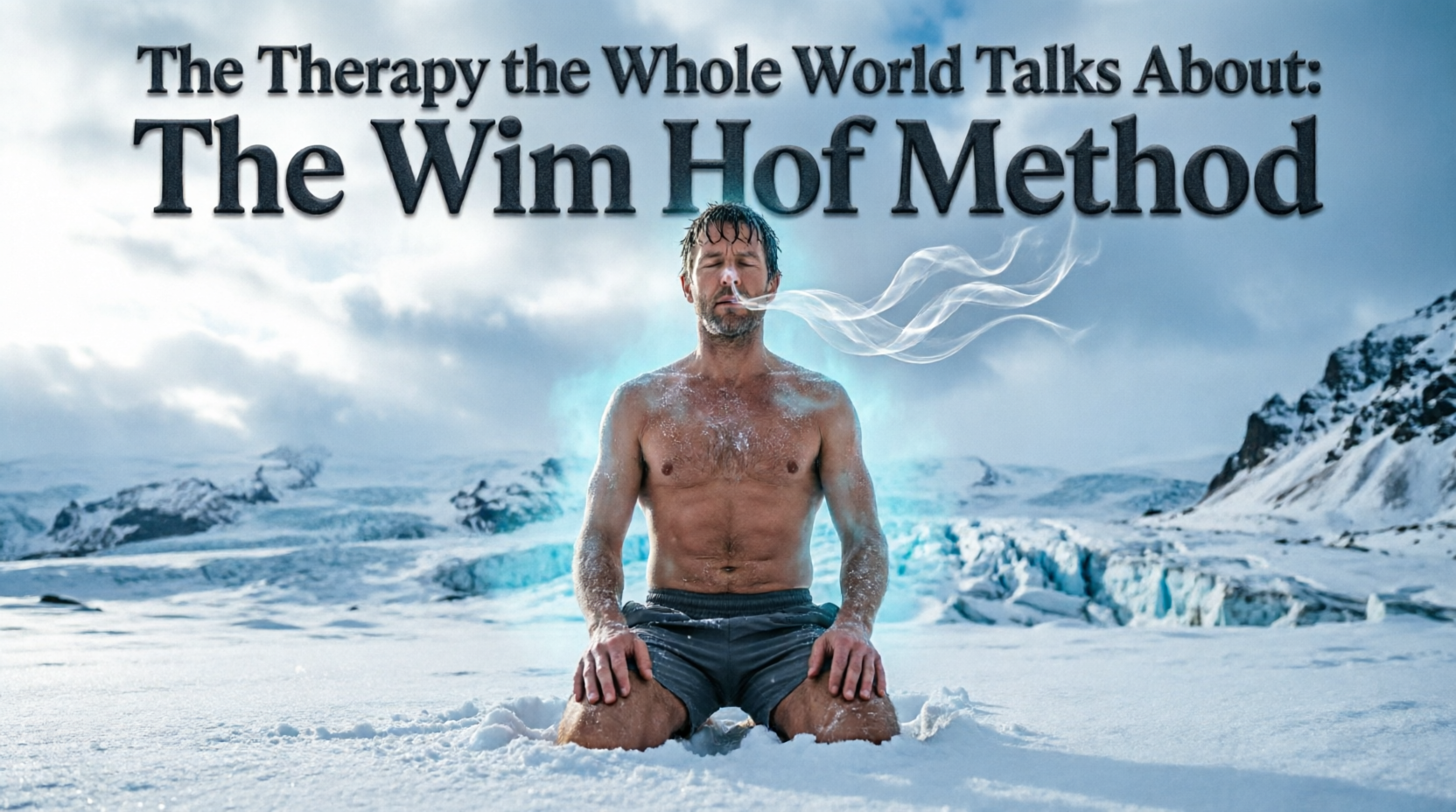
One of the most talked about techniques for handling extreme temperatures, both hot and cold, is the Wim Hof Method. It was created by a Dutch man nicknamed "The Iceman," who became famous for training his body and mind to handle extreme conditions using breathing and controlled exposure to temperature. What makes this method so popular worldwide is that it trains your nervous system to stay calm under physical stress, whether that stress comes from cold or heat.
How to use it:
Sit or lie down somewhere comfortable. Take thirty deep breaths, breathing in fully through the nose or mouth and letting the breath go without forcing it out. After the last breath, exhale and hold your breath for as long as you comfortably can. Then take a deep breath in, hold it for about fifteen seconds, and release. Repeat this cycle three times. Do this once in the morning before your day starts. It calms your nervous system down, lowers your stress response, and over a few weeks, it genuinely helps your body handle heat stress with less panic and more control.

A Diet Plan Built for Hot Weather.
What you eat during a heatwave changes how your body copes with it. Doctors and nutrition researchers agree that certain foods help your body regulate temperature better, while others make things worse.
Step one:
Start your day with water, not coffee. Coffee is a diuretic, meaning it pulls water out of your body, which is the last thing you need in the heat. Drink a full glass of water first thing after waking up.
Step two:
Eat water-rich fruits like watermelon, cucumber, oranges, and strawberries through the day instead of heavy snacks. These naturally hydrate you while giving your body vitamins.
Step three:
Keep meals light and eat smaller portions more often instead of one heavy meal. Heavy meals, especially ones high in fat or fried food, force your body to generate more internal heat while digesting, which makes you feel worse in hot weather.
Step four:
Add natural electrolytes to your water. A pinch of salt, a squeeze of lemon, and a teaspoon of honey in a glass of water works as a simple homemade electrolyte drink that helps replace what you lose through sweat.
Step five:
Cut down on alcohol during heatwaves. Alcohol dehydrates you fast and puts extra strain on your body's cooling system.
Step six:
Have your last meal at least two to three hours before bed, and keep it light, so your body is not working hard to digest while also trying to cool down for sleep.
A Simple Yoga and Meditation Plan for Hot Days.
Yoga has specific poses designed to cool the body down, and they have been used for this exact purpose for hundreds of years.
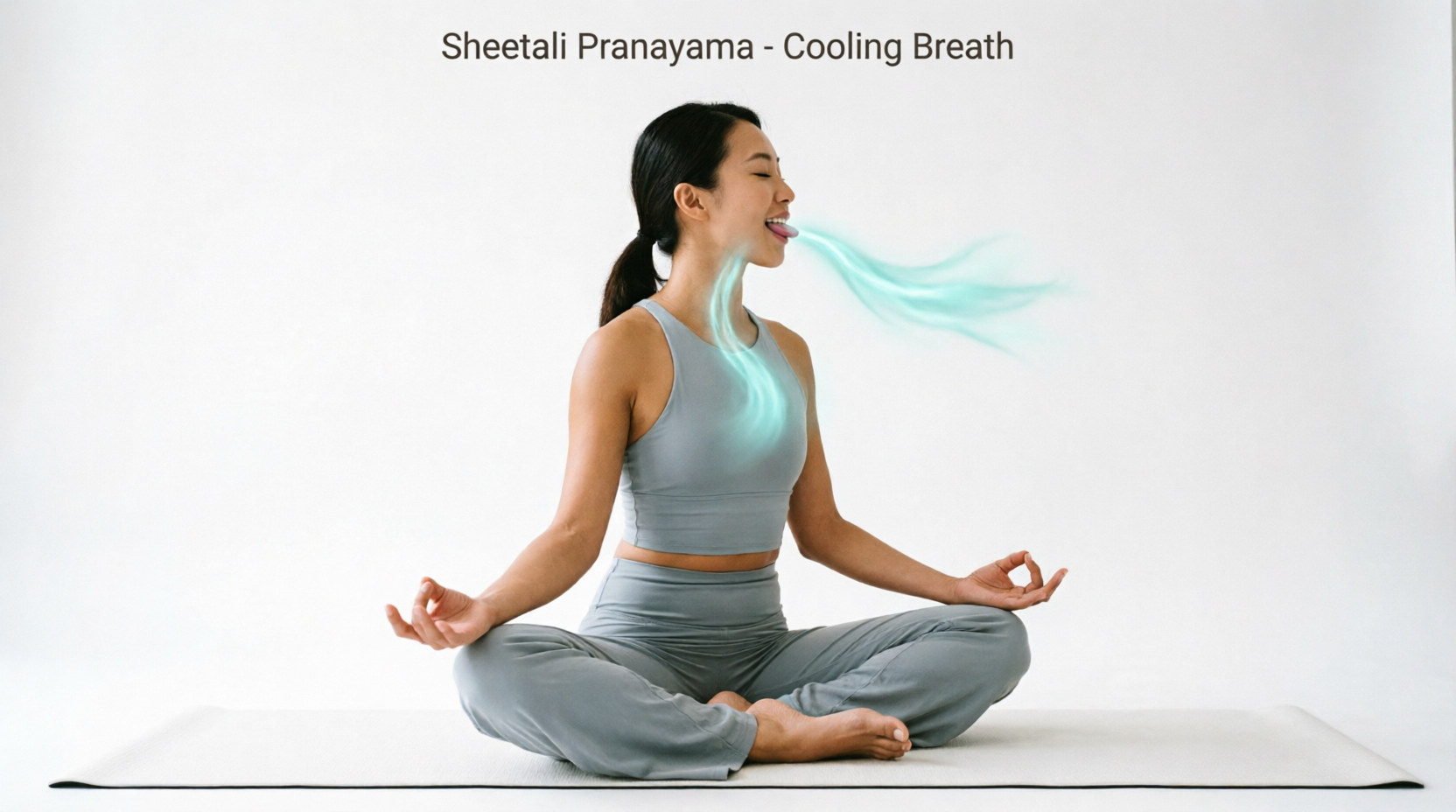
Sheetali Pranayama (Cooling Breath):
Sit comfortably, roll your tongue into a tube shape, and breathe in slowly through the rolled tongue. Close your mouth and breathe out through your nose. Repeat this for five to ten breaths. This pose is famous for physically lowering the feeling of body heat within minutes.
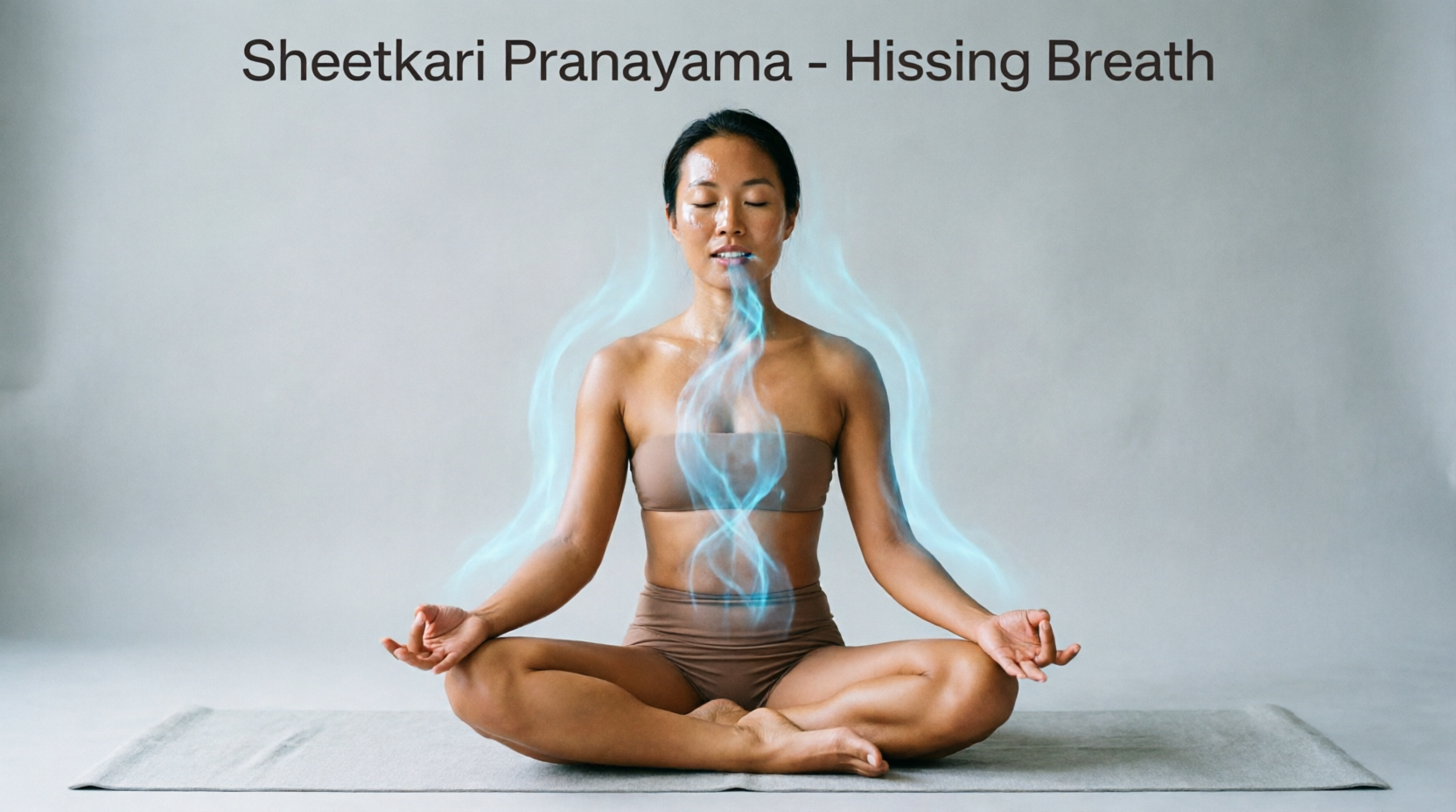
Sheetkari Pranayama (Hissing Breath):
If you cannot roll your tongue, this is the alternative. Press your teeth together gently, part your lips, and breathe in through the gaps in your teeth. Then close your mouth and breathe out through your nose. This works the same cooling effect as Sheetali.
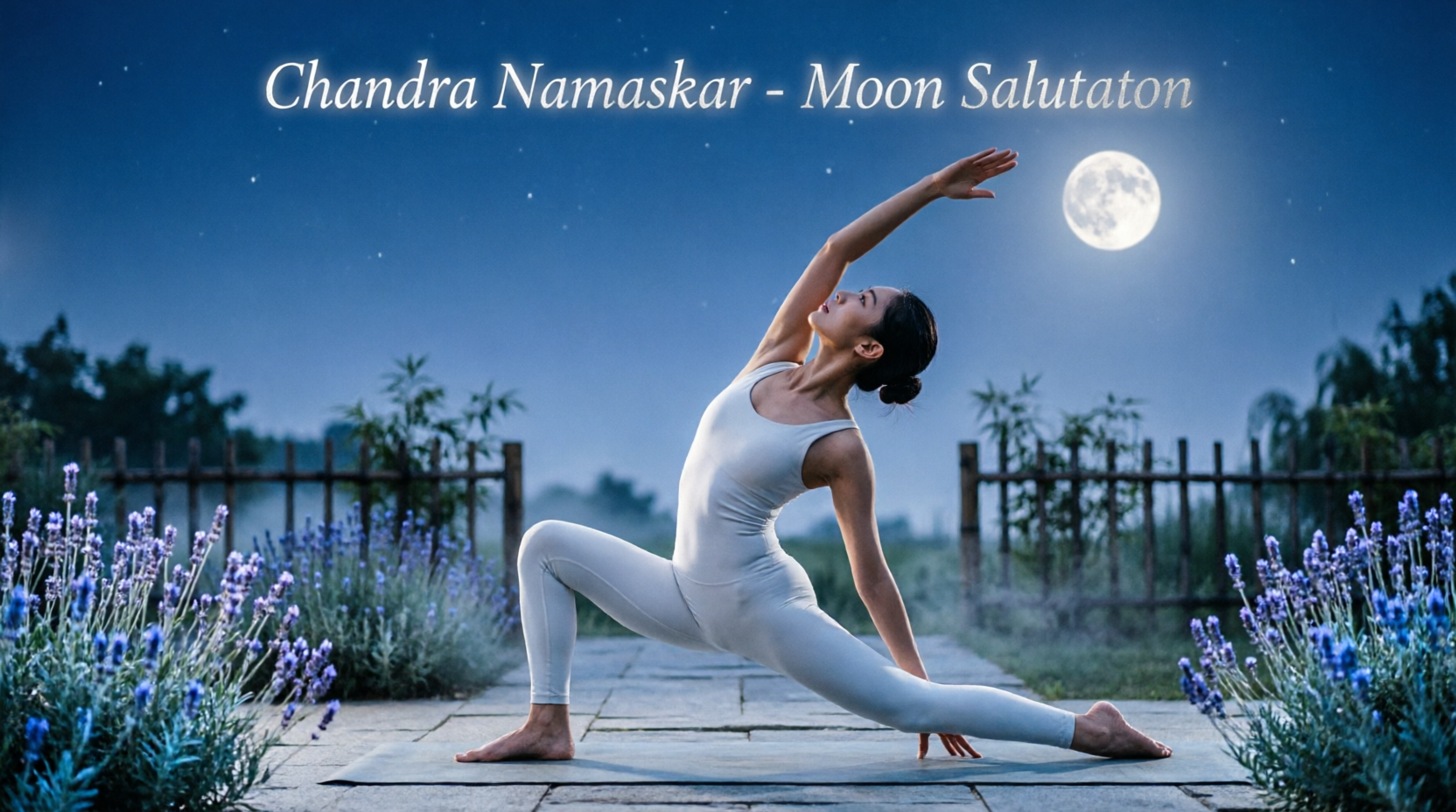
Chandra Namaskar (Moon Salutation): Unlike the well-known Sun Salutation, this sequence is slower and calmer, and it is associated with cooling, calming energy. Move slowly through gentle standing stretches, side bends, and forward folds, breathing steadily with each movement. Doing this in the early morning or evening, when it is cooler, helps release tension built up from the heat.
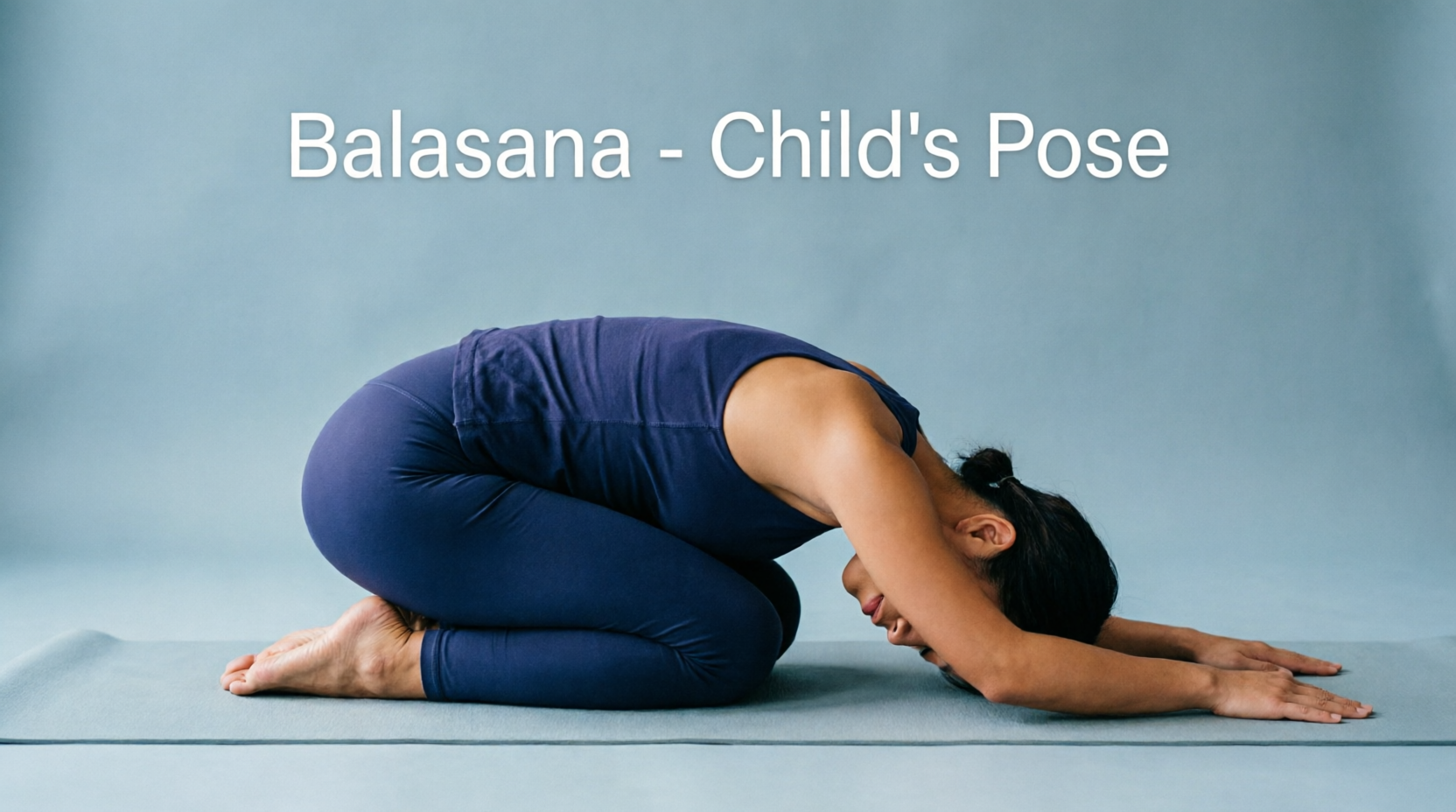
Balasana (Child's Pose):
Kneel down, sit back on your heels, and stretch your arms forward while lowering your forehead to the ground. Stay here for one to two minutes, breathing slowly. This pose lowers heart rate and gives your nervous system a break from heat-related stress.
Meditation for heat stress:
Sit somewhere quiet, close your eyes, and picture yourself somewhere cool, like a beach at night or a mountain stream. Breathe slowly and focus only on that image for five minutes. This is called cooling visualization, and it genuinely lowers your perceived body temperature and calms your mind.
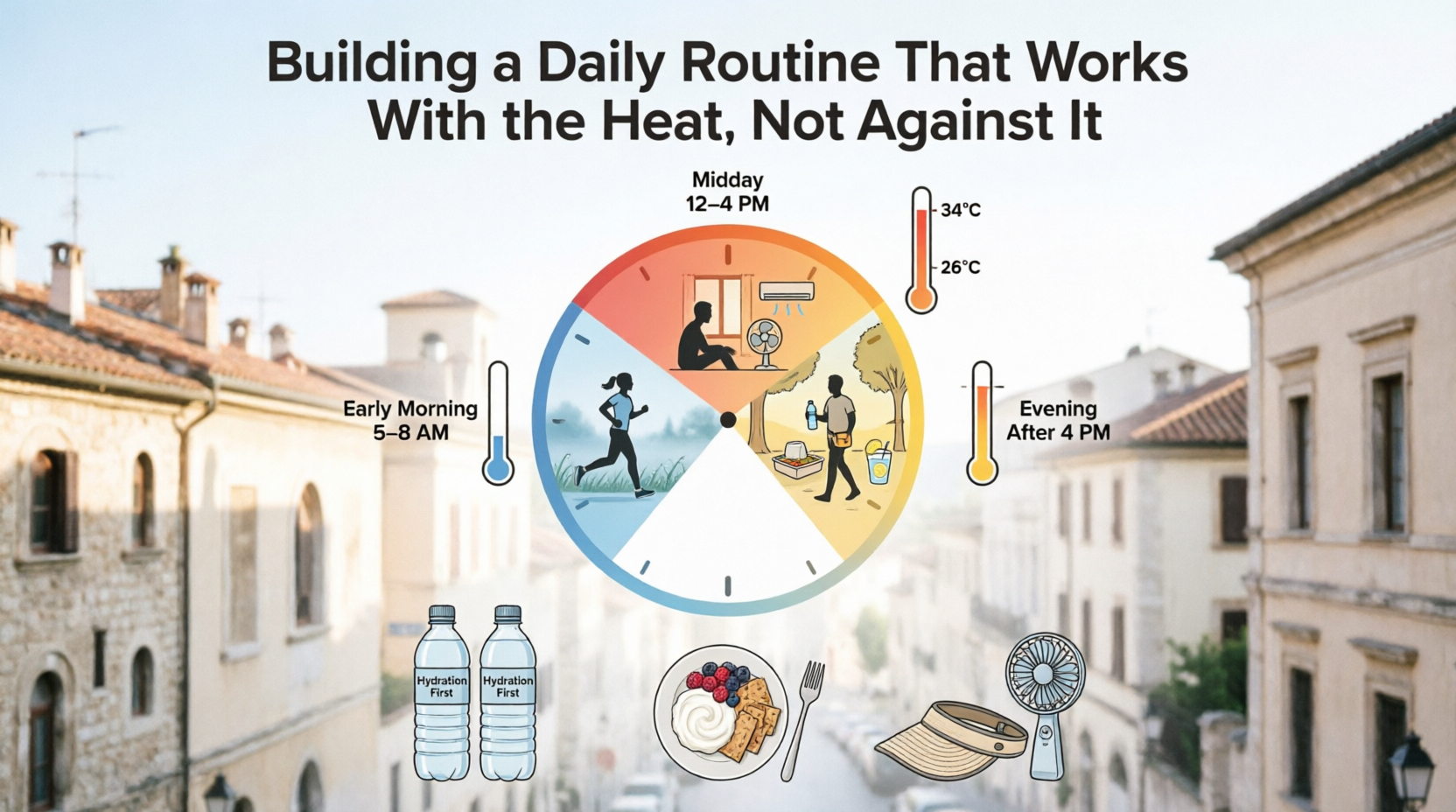
Building a Daily Routine That Works With the Heat, Not Against It.
Wake up early, ideally before sunrise, while the air is still cool. Use these early hours for anything active, whether it is exercise, errands, or work that needs focus. Drink a glass of water as soon as you wake up, then keep sipping water steadily through the day instead of drinking a lot at once. Avoid stepping out between noon and four in the afternoon, when the sun is strongest. Keep your evenings for lighter activities and wind down with the cooling breathing exercises before bed to help you sleep despite the heat.

Final Thoughts.
This heat is new for Europe, and it is completely normal to feel thrown off by it. Your body and mind were simply not built for this kind of weather, and that is not a personal failure, it is biology adjusting to a new reality. But with the right breathing techniques, the right food choices, a few minutes of yoga, and a routine that respects the heat instead of fighting it, you can get through this summer feeling steady, clear-headed, and in control. The heat may be here to
stay for a while, but so is your ability to adapt to it.
Comments (0)
Please sign in to join the conversation.
No comments yet. Be the first to join the discussion!