
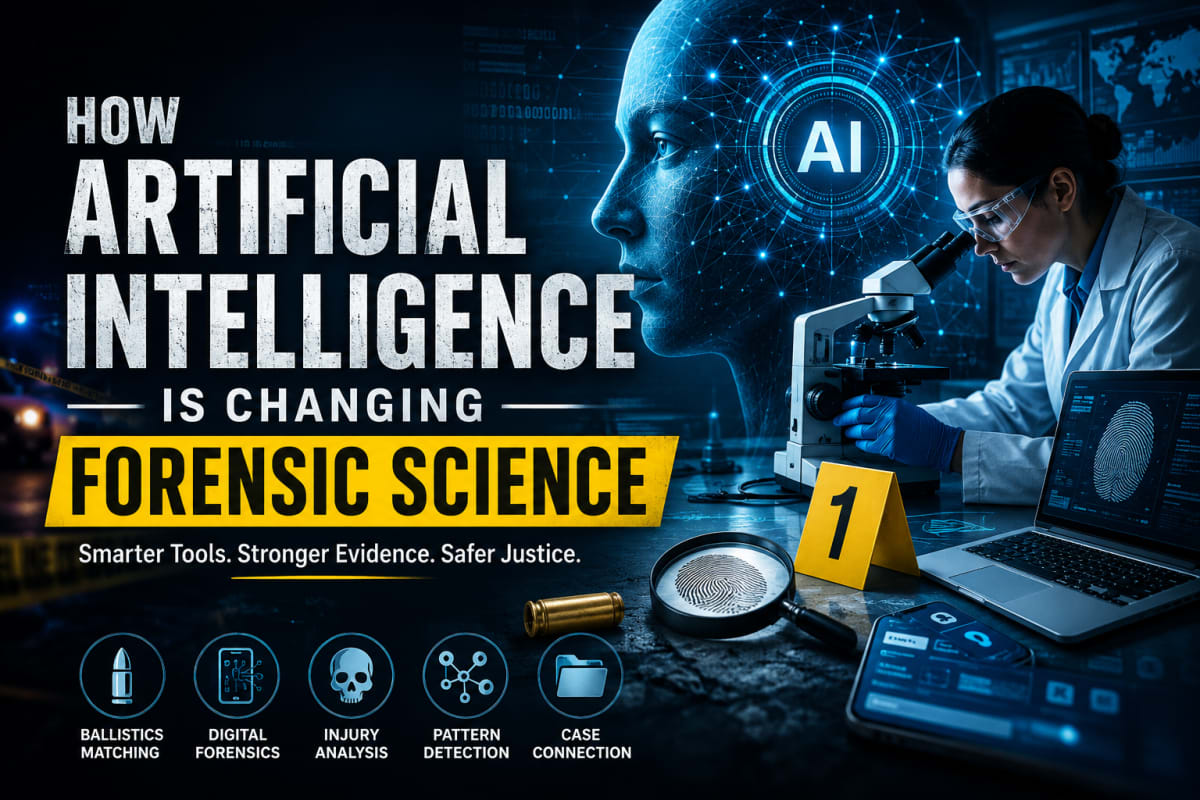
How Artificial Intelligence Is Changing Forensic Science.
For most of the last century, forensic work moved at a fixed speed. A bullet casing went to a lab, sat in a queue, and came back with an answer weeks later. A hard drive full of messages had to be read line by line by a tired investigator at 2 a.m. A DNA sample that was too small or too damaged was simply marked "inconclusive" and set aside. Cold cases stayed cold not because nobody cared, but because there was only so much a human eye and a human hour could cover.
That fixed speed is changing. Artificial intelligence has moved from research papers into real crime labs, and the shift is well documented in peer-reviewed forensic journals, not just in tech marketing. A 2026 systematic review in the *Journal of Forensic and Legal Medicine* looked at how AI is being used across forensic medicine and found it is already helping with diagnostic accuracy, pattern recognition, and operational efficiency across forensic domains. Another 2025 review focused specifically on violence-related evidence and found AI tools being used in real studies across wound and injury classification, head and brain injury, bone fractures, case reconstruction, and physical abuse assessment.
This article looks at what AI is actually doing in forensic science today — not the exaggerated version, but the real one — and how forensic professionals anywhere in the world, including in countries with limited budgets, can use it responsibly.
What AI Is Actually Good At in Forensics.
It helps to be precise about what "AI" means here. In forensic science, AI is mostly machine learning — software trained on thousands of past examples so it can spot patterns a human might take much longer to find, or might miss entirely. It does not replace the expert. It narrows down what the expert needs to look at.
1. Matching bullets and casings faster
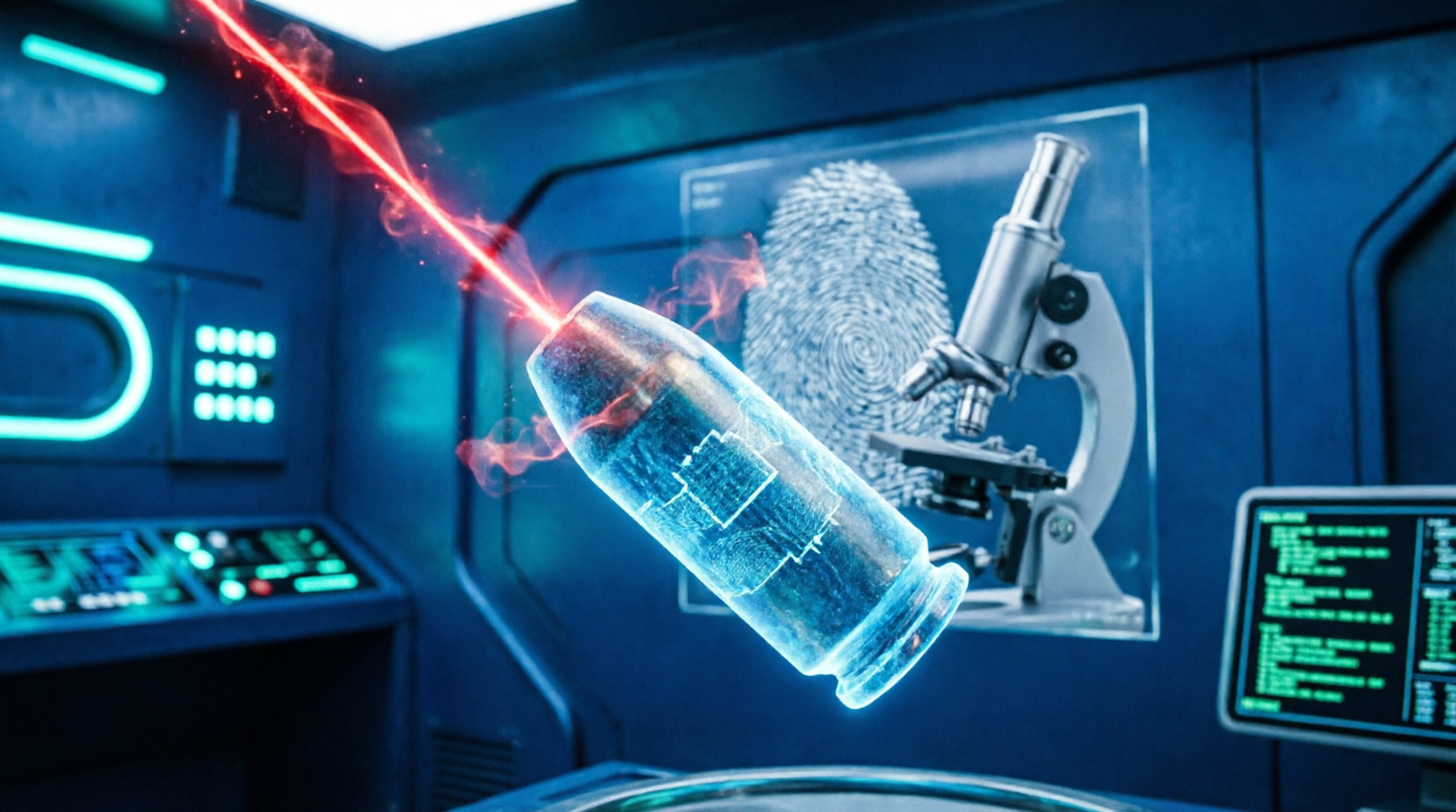
When a gun fires, the firing pin, breech face, and ejector leave tiny, unique marks on the cartridge case — marks that work like a fingerprint for that specific weapon. In the United States, this is handled by a real system called NIBIN (National Integrated Ballistic Information Network), run with imaging technology called IBIS. Investigators submit images of casings from a crime scene, and the system compares the unique markings against a national database to look for possible matches.
This is important to get right: the software does not make the final call. The system produces a list of scores showing the relative probability of a match, and a trained firearms examiner reviews the top candidates and confirms any real match under a microscope. An unconfirmed computer-generated match is called a "lead," and it only becomes a confirmed "hit" after a human examiner verifies it physically. Since the database project began, NIBIN has produced more than 68,000 confirmed hits, each one later checked by hand — proof that the human-plus-machine combination works, not that the machine works alone.
2. Reading digital evidence at scale.
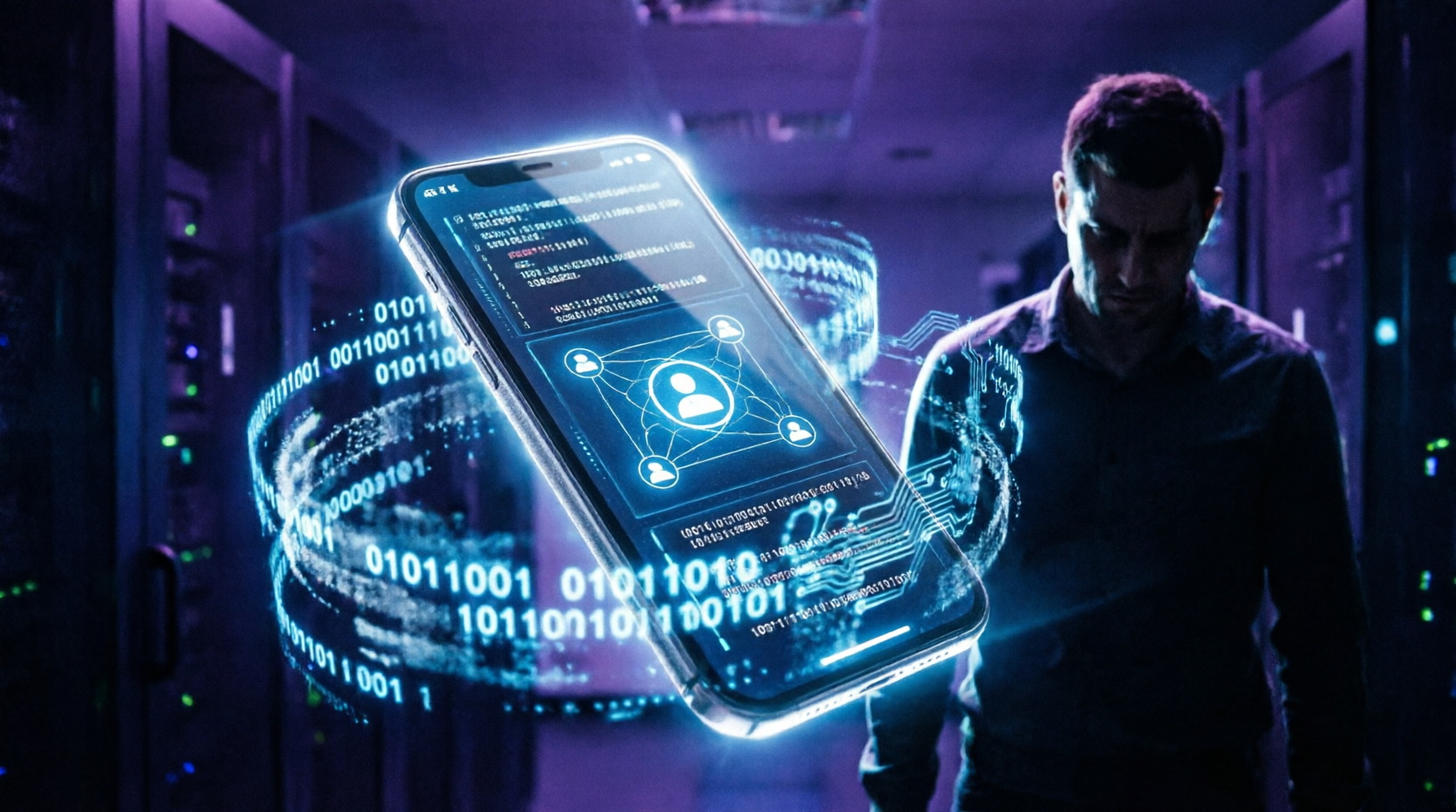
Phones and laptops now hold more potential evidence than a crime scene does. Sorting through thousands of messages, deleted files, and call logs by hand is realistic for one device, but not for fifty. AI-based digital forensic tools can scan storage far faster than a person, flagging relevant keywords, contact patterns, or file types for a human examiner to review. A 2025 peer-reviewed review of AI in digital forensics describes this as a genuine shift in capability, while also stressing that it comes with real opportunities and challenges — meaning the tools speed up the search, but the legal and technical work of verifying evidence is still done by trained people.
This caution matters in court. A 2025–2026 review of digital evidence practices warns that investigators should treat all digital evidence as potentially manipulated until it has been validated, because tools now exist that can forge timestamps and timelines. AI speeds up the search; it does not replace the verification.
3. Supporting image and injury analysis.
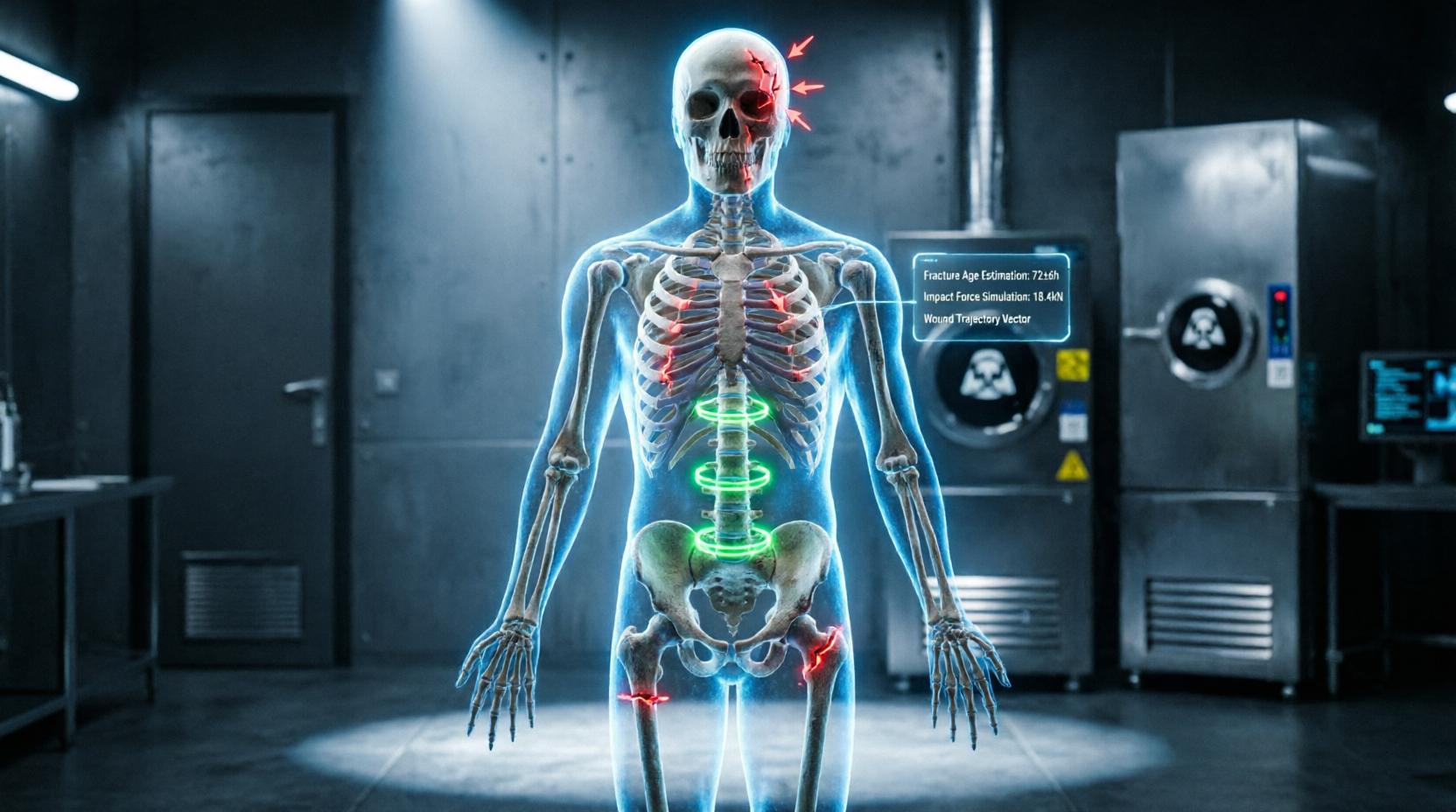
Several real studies have trained AI models to help classify wounds, fractures, and injury patterns from images — work that used to depend entirely on an examiner's visual judgment and experience. The 2025 review mentioned earlier found AI already being tested in exactly this kind of work across six forensic domains, including wound and injury classification, bone fracture identification, and physical abuse evaluation. Researchers are also testing newer general-purpose AI models for crime-scene image analysis: a 2025 pilot study published in the *Journal of Forensic Sciences* tested several AI systems on forensic image analysis tasks and described it as a step toward developing AI models built specifically for forensic use — a pilot study, not a finished, validated tool.
4. Helping connect scattered information
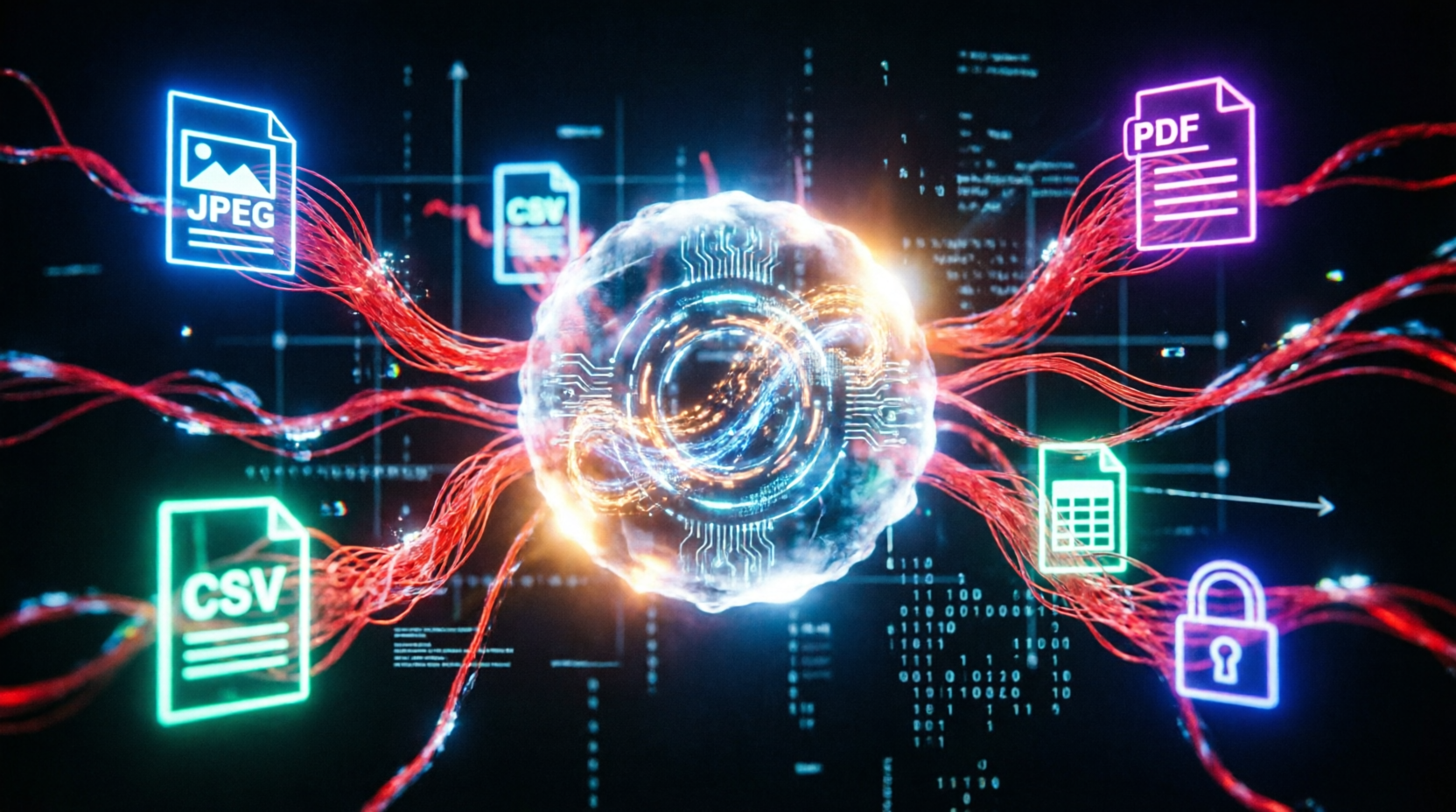
A serial offender's pattern is often hidden across separate, unconnected case files — one detail in one city, another in a different jurisdiction. A 2026 review in Frontiers in Artificial Intelligence looked specifically at this problem and found that AI and cognitive computing approaches can help with cross-source correlation and detecting patterns across scattered, mismatched information that would otherwise delay the discovery of serial or escalating crimes. This is one of the more promising uses of AI — not identifying a suspect, but noticing that two separate cases might be connected at all.
What AI Cannot Do (and Why This Matters).
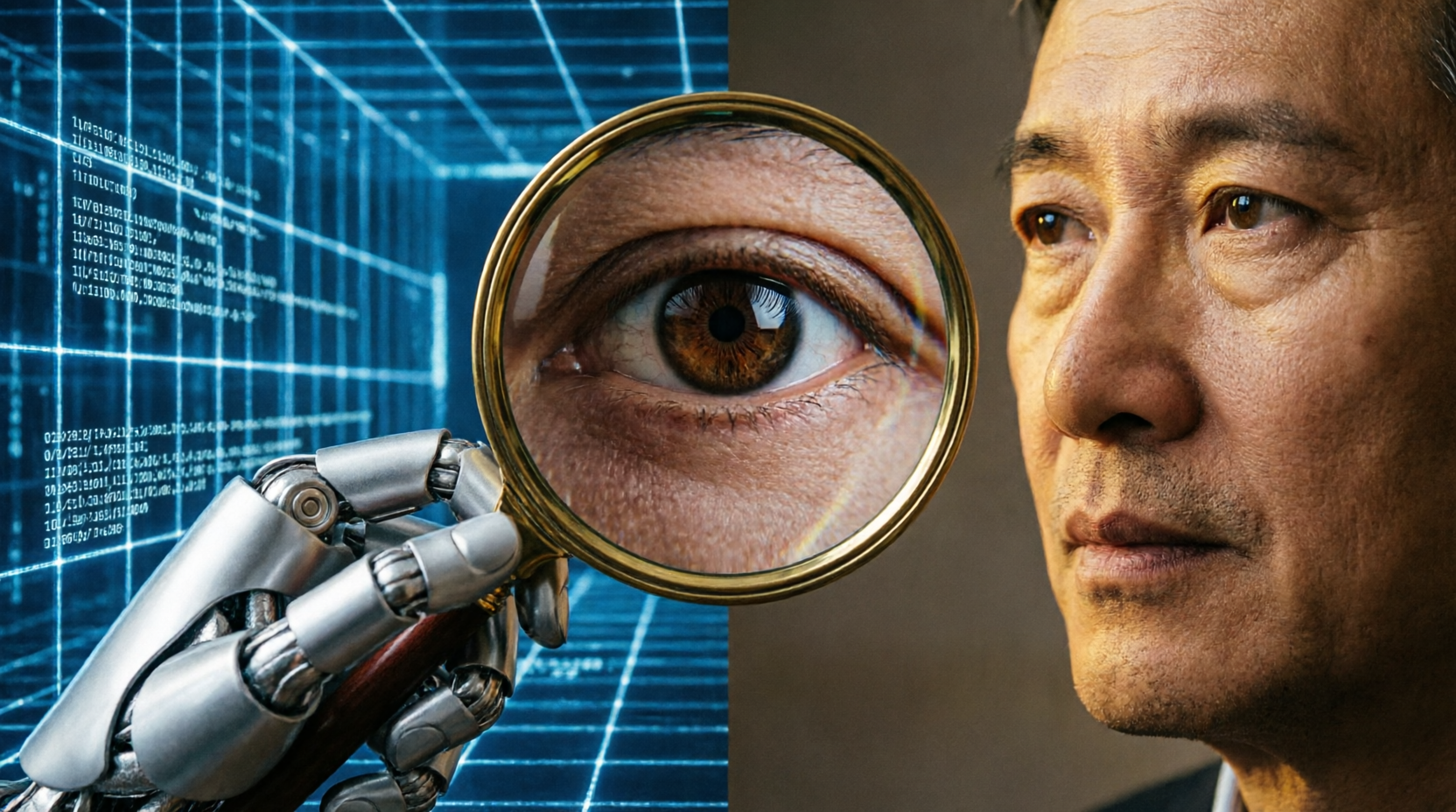
None of these tools "solve" a case by themselves. Every example above ends the same way: a machine narrows the possibilities, and a trained human makes the final, accountable decision. This is not a weakness of the technology — it is how forensic evidence has to work to hold up in court.
There are also real limits worth being honest about:
AI is not bias-free. This is one of the most common misunderstandings. If an AI tool is trained mostly on one population's faces, languages, or patterns, it performs worse on everyone else. This has been documented in facial recognition and predictive tools internationally, which is exactly why training data matters so much (more on this below).
AI can be fooled or misused on the input side. As noted earlier, digital timestamps and timelines can be deliberately altered, so AI output is only as trustworthy as the evidence it was given.
A result is not proof. A NIBIN "lead," an AI-flagged image, or an AI-sorted phone record is a starting point for an expert to examine — never a finished conclusion on its own.

A Practical Path for Forensic Labs With Limited Budgets.
A lab in a major Western city and a lab in a smaller country with a tight budget are not starting from the same place — but a lack of money does not mean a lack of options. Here is a realistic, evidence-based path.
1. Use cloud-based tools instead of buying hardware.
Running AI models used to require expensive in-house servers. Today, many forensic AI tools run on cloud infrastructure, where a lab pays only for the processing it actually uses. This puts modern tools within reach of departments that could never afford a dedicated AI lab of their own.
2. Train the AI on local data, not just imported data.
This is the single most common and most damaging mistake. A facial recognition or voice-analysis tool trained mainly on one region's faces or languages will perform poorly elsewhere — this is a well-known and well-studied limitation, not a guess. Any country adopting these tools needs to retrain or fine-tune them using local faces, local languages, and local case data before relying on them.
3. Fix evidence collection before buying software.
AI tools are only as good as the evidence fed into them — a principle forensic scientists already know well from manual methods. Blurry photos, contaminated samples, and poorly logged digital evidence will produce poor AI results no matter how advanced the software is. The cheapest and highest-impact investment a lab can make is proper training for first responders on how to collect and document evidence correctly.
4. Build local technical partnerships.
Universities and local software engineers can build narrower, cheaper tools suited to local needs — license-plate readers trained on local plate formats, or language tools trained on local dialects — instead of relying entirely on expensive imported systems that were never designed with the local context in mind.
5. Train the people, not just the machines.
Every peer-reviewed review of this technology repeats the same point: AI is a support tool for trained examiners, not a replacement for them. Forensic staff need training not just in how to run the software, but in how to interpret its output critically, recognize its limits, and avoid over-trusting a probability score.
6. Share data across regional borders, carefully.
Crime does not stop at a border, and regional databases can help connect cases the way NIBIN does nationally in the US. This needs to be done with clear legal agreements and strong data protection, since shared criminal databases raise real privacy and oversight questions that must be addressed alongside the technical setup.
The Honest Bottom Line.
AI in forensic science is real, it is already published in serious scientific journals, and it is genuinely useful — for matching ballistic evidence, sorting digital devices, analyzing injury patterns, and connecting scattered cases. But every credible study on this topic agrees on the same point: AI narrows down possibilities, and a trained human still makes the final call. The labs that get the most value from this technology will not be the ones with the biggest budgets — they will be the ones that combine the technology with properly trained people, locally relevant data, and honest evidence-collection practices from the very first step at the crime scene that
combination, not the software alone, is what actually closes cases.
Comments (0)
Please sign in to join the conversation.
No comments yet. Be the first to join the discussion!