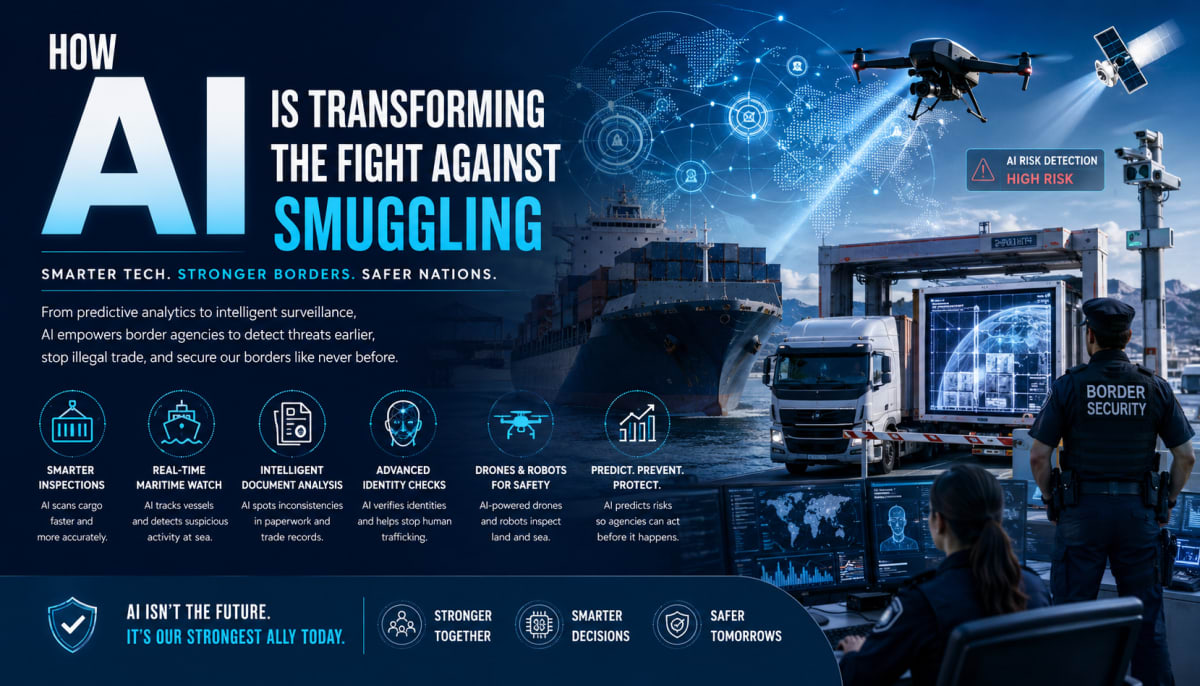
How AI Can Help Stop Smuggling: A Simple Guide for Governments and Border Agencies
Smuggling is an old crime, but it is getting bigger and smarter every year. Drugs, weapons, fake goods, wildlife, and even people are moved across borders every day through hidden routes. This illegal trade costs countries billions of dollars, weakens their economy, and puts innocent lives at risk. For a long time, governments fought smuggling with dogs, X-ray machines, and human officers checking bags one by one. That method still works, but it is slow, and smugglers keep finding new tricks to beat it.
This is where Artificial Intelligence comes in. AI is no longer just a chatbot or a tool for writing emails. It has quietly become one of the strongest weapons against smuggling networks around the world. In this article, we will go step by step through how AI is actually being used today by customs agencies and border forces, and how any country can start using it to cut down smuggling.
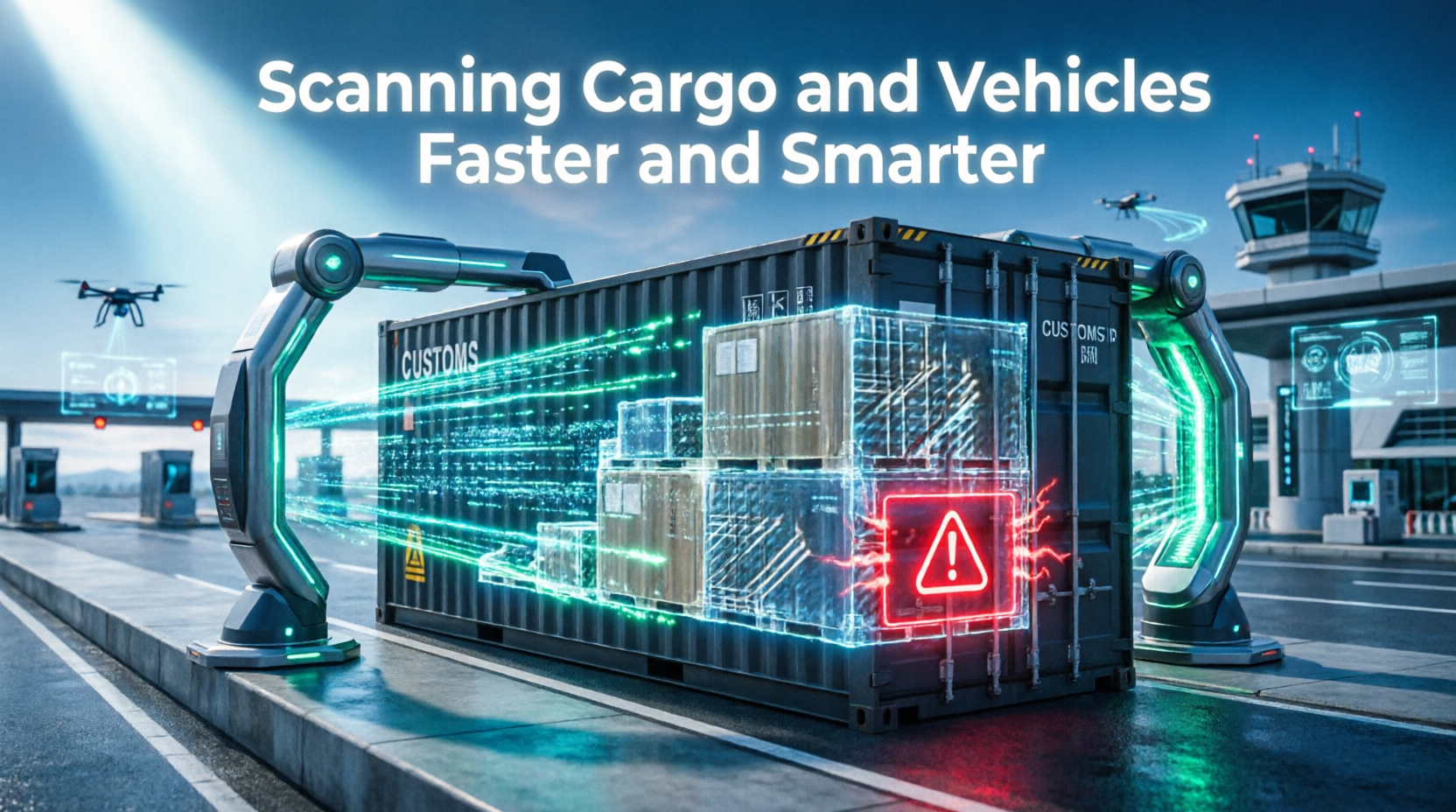
1. Scanning Cargo and Vehicles Faster and Smarter
Every day, thousands of trucks, containers, and passenger vehicles cross borders. It is impossible for human officers to check every single one carefully. AI-powered scanning systems now look at X-ray and video images of cargo and instantly flag anything unusual, like a hidden compartment or an odd shape inside a container. Instead of an officer staring at hundreds of screens, the AI does the first check and only sends the suspicious ones to a human for a closer look. This means officers spend their time where it actually matters, instead of wasting hours on cars and boxes that are completely clean.
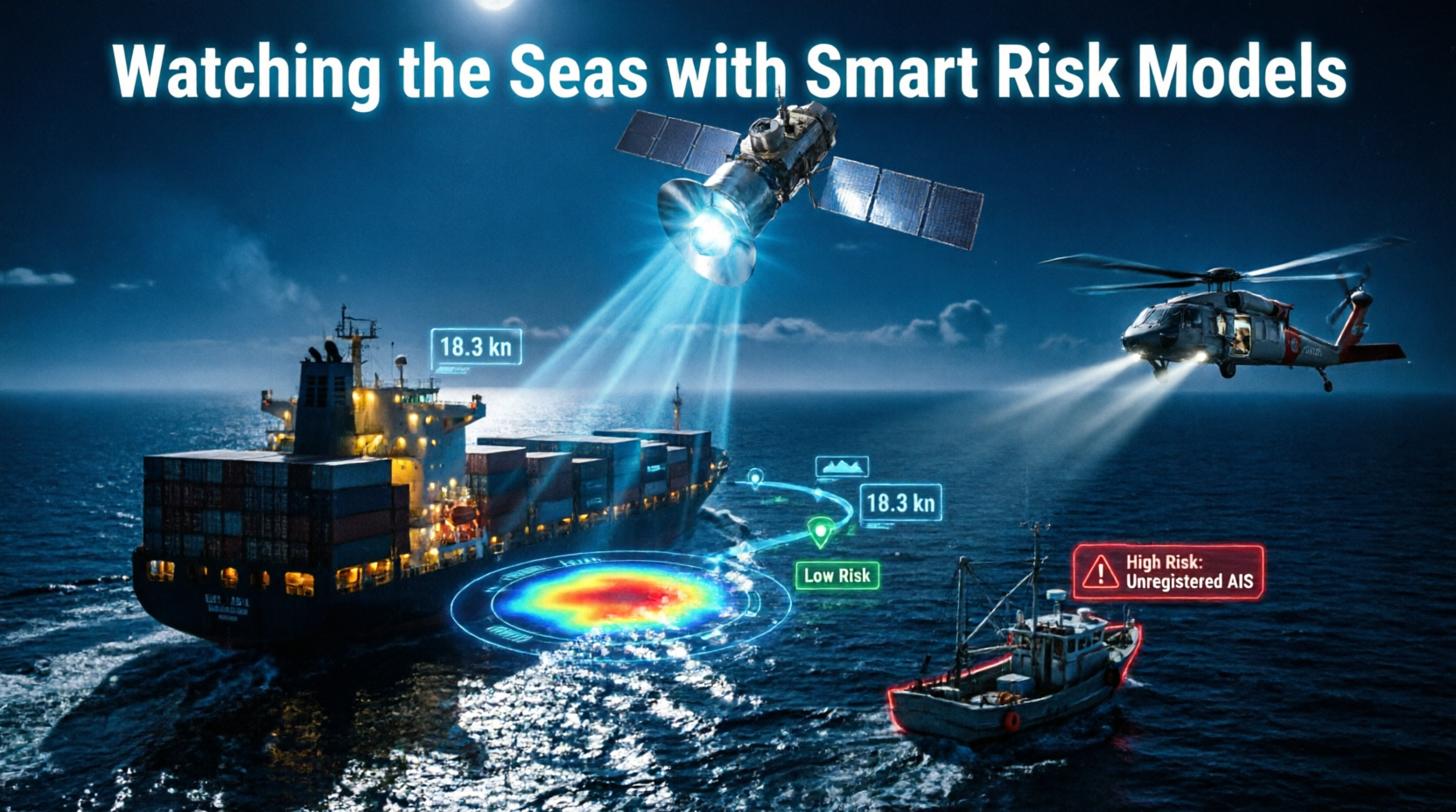
2. Watching the Seas with Smart Risk Models
A huge amount of smuggling happens by sea. In fact, a large share of the world's drug trafficking moves through ships and small boats, because oceans are harder to watch than roads. AI systems now track almost every vessel in the world every single day. They study a ship's speed, its route, whether it turned off its tracking signal, and whether its movement matches its supposed cargo. If a fishing boat suddenly behaves like a cargo ship sailing toward a hidden coastline at night, the system raises an alarm long before it reaches shore. This gives coast guards and navies a chance to act early, instead of finding out only after the goods have already landed.
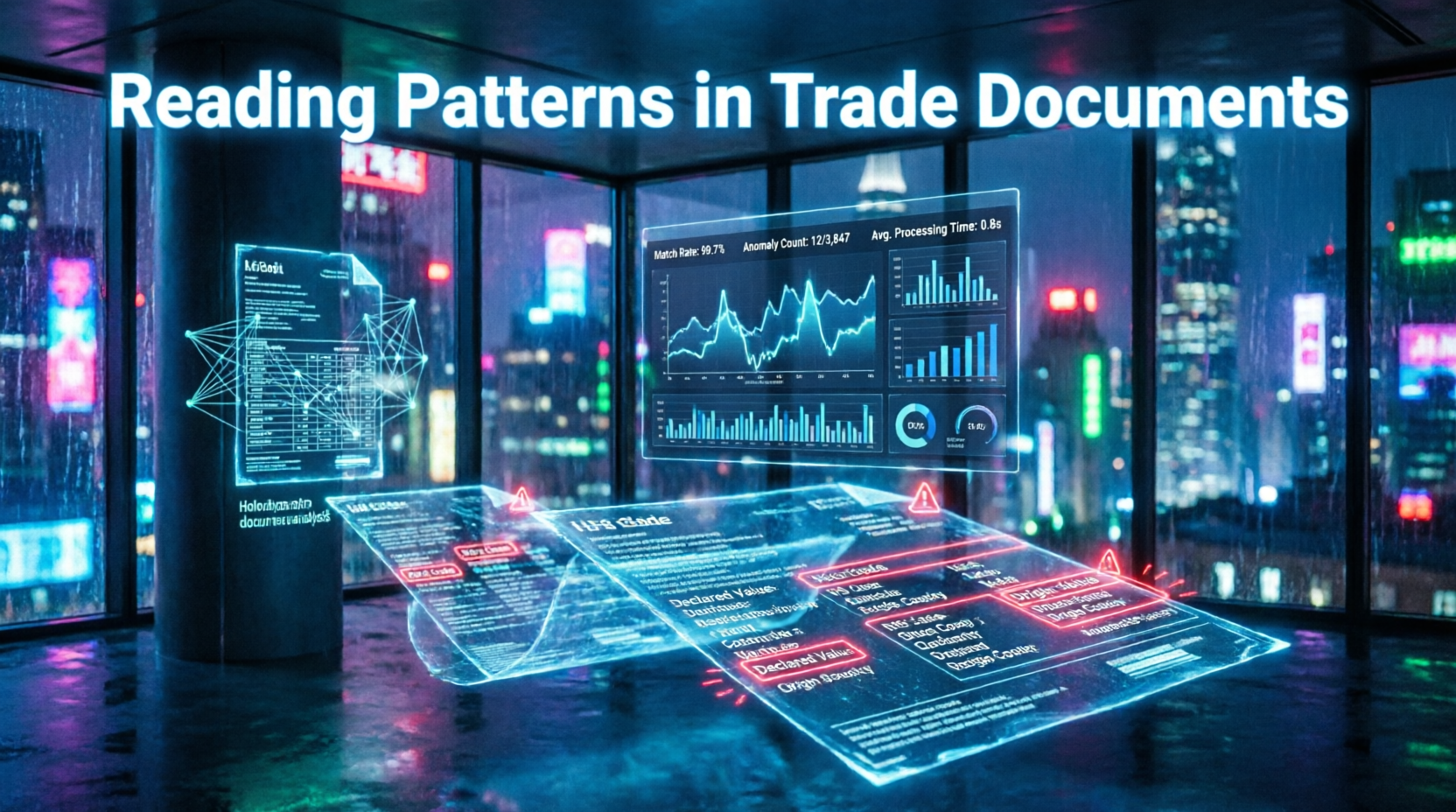
3. Reading Patterns in Trade Documents
Smugglers often hide illegal goods behind fake paperwork, wrong labels, or under-valued shipments. AI language tools can now scan thousands of pages of shipping documents, invoices, and customs declarations in minutes. They compare declared goods with actual weight, size, and known trade patterns, and they catch small mismatches that a tired human eye might miss after checking the two-hundredth form of the day. This is especially useful for stopping things like forced-labor goods or under-invoiced shipments that quietly drain a country's tax revenue.
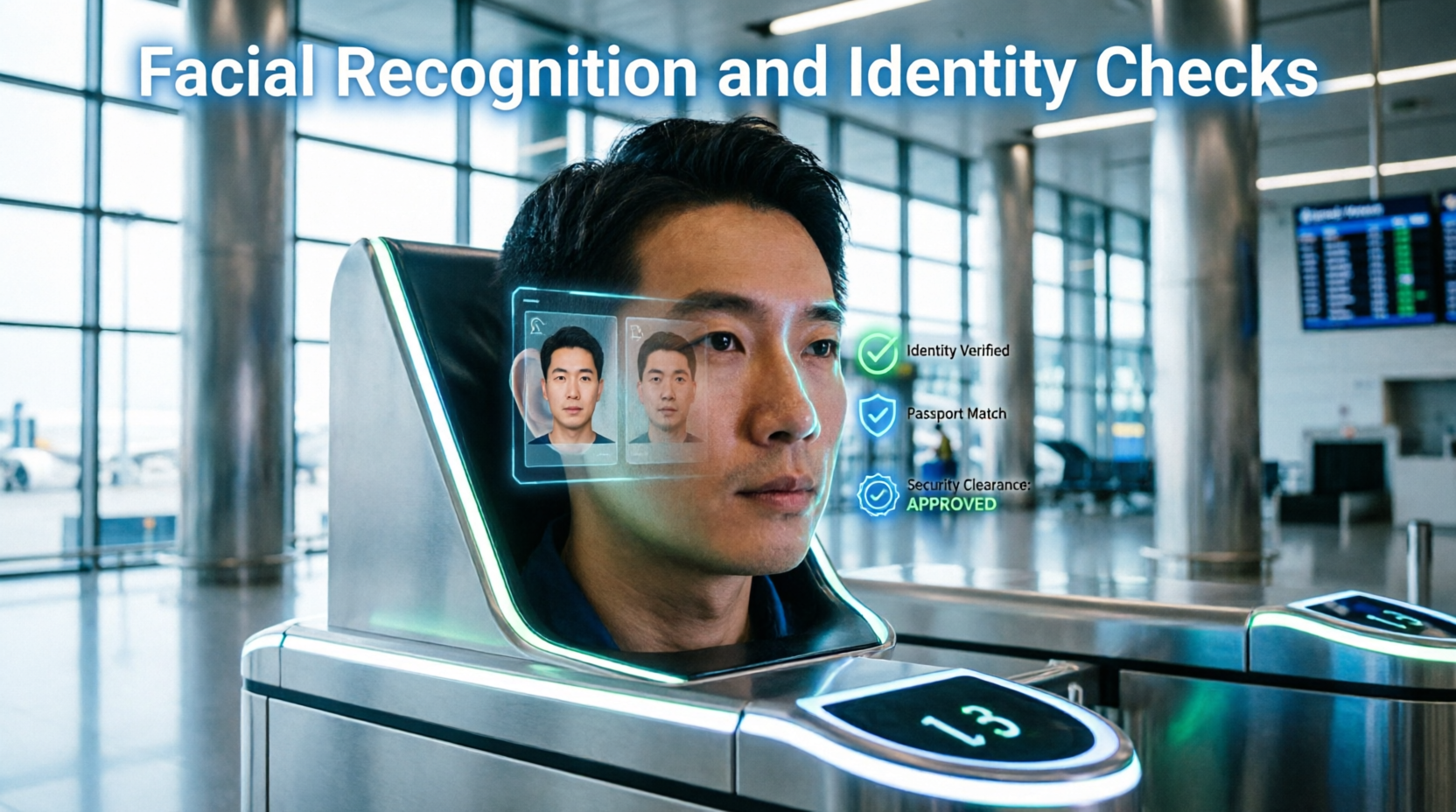
4. Facial Recognition and Identity Checks
At airports and border crossings, AI-based facial recognition and identity verification tools are being used to check whether the person crossing is really who their passport says they are. This helps catch human traffickers who use fake documents, and it also helps track known smuggling suspects who try to cross under a different identity. This part of AI use needs to be handled carefully, with strong privacy rules, because it involves people's personal data. But used responsibly, it closes a door that smugglers have used for a long time.
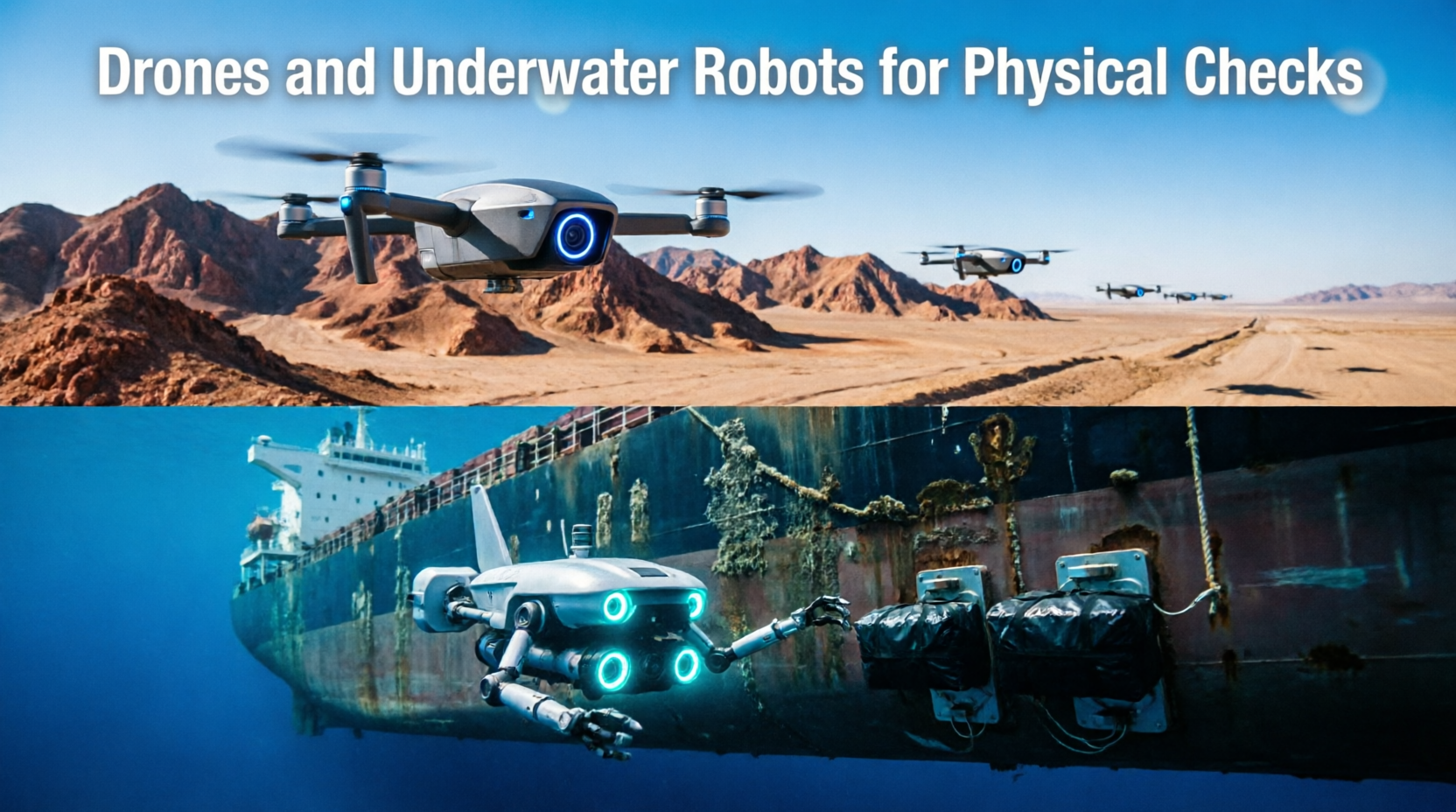
5. Drones and Underwater Robots for Physical Checks
Smugglers do not only hide things in trucks and ships. Sometimes they attach packages to the outer hull of a ship underwater, where divers used to have to search manually, which was slow and risky. Now, autonomous underwater robots equipped with AI can scan a ship's hull in a fraction of the time and flag anything strange stuck to it. On land and along coastlines, drones with AI cameras patrol large stretches of border area that would need hundreds of officers to cover on foot. This is especially useful in remote deserts, forests, or mountain borders where smuggling routes are hard to monitor physically.
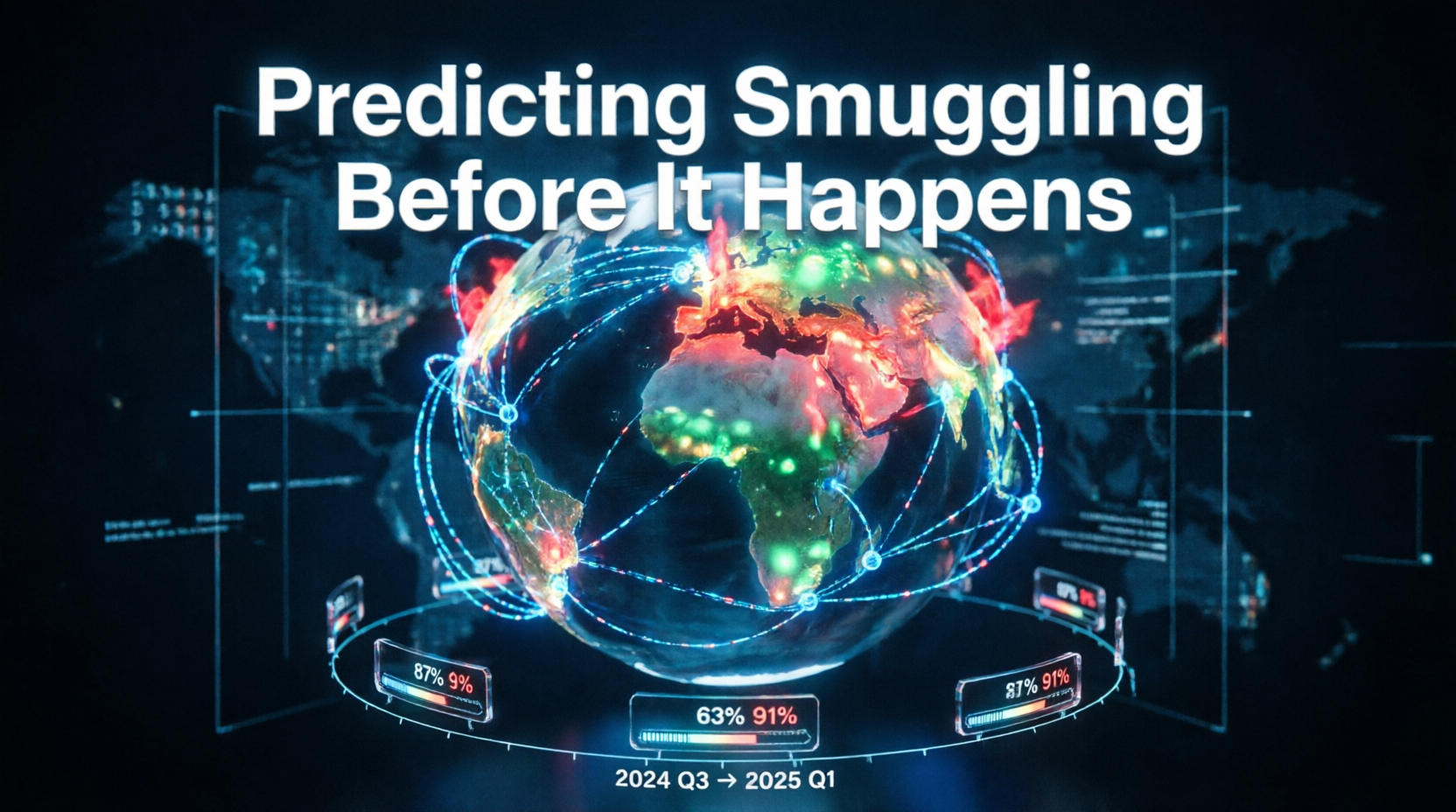
6. Predicting Smuggling Before It Happens
One of the biggest strengths of AI is prediction. By studying years of past smuggling cases, seized shipments, arrest records, and even social media chatter, AI models can predict which routes, ports, or times of year carry higher smuggling risk. Instead of spreading officers thin across every border point equally, agencies can use this prediction to place more resources exactly where the risk is highest. This turns border security from a reactive job into a proactive one, stopping shipments before they even leave, not after they arrive.
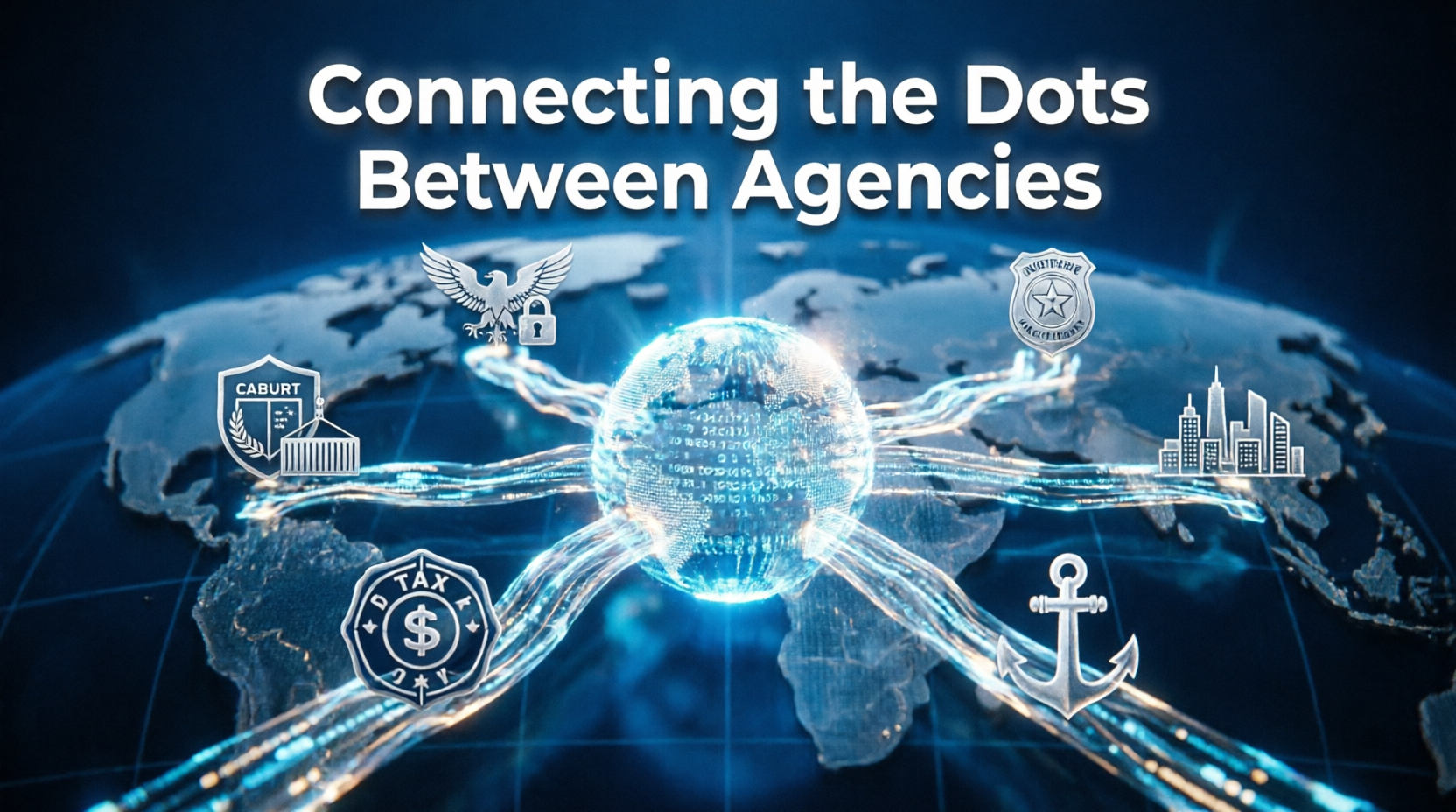
7. Connecting the Dots Between Agencies
Smuggling networks usually spread across many countries and touch many different departments, customs, police, tax authorities, and coast guards. In the past, each department kept its own separate records, and a smuggler caught in one country's system could slip through another country's checkpoint completely unnoticed. AI-based data platforms can now link these separate databases together, so if a person or company was flagged in one country last year, that information appears instantly when they try to cross a different border. This kind of shared intelligence is one of the most powerful tools against organized smuggling groups that rely on jumping between weak, disconnected systems.
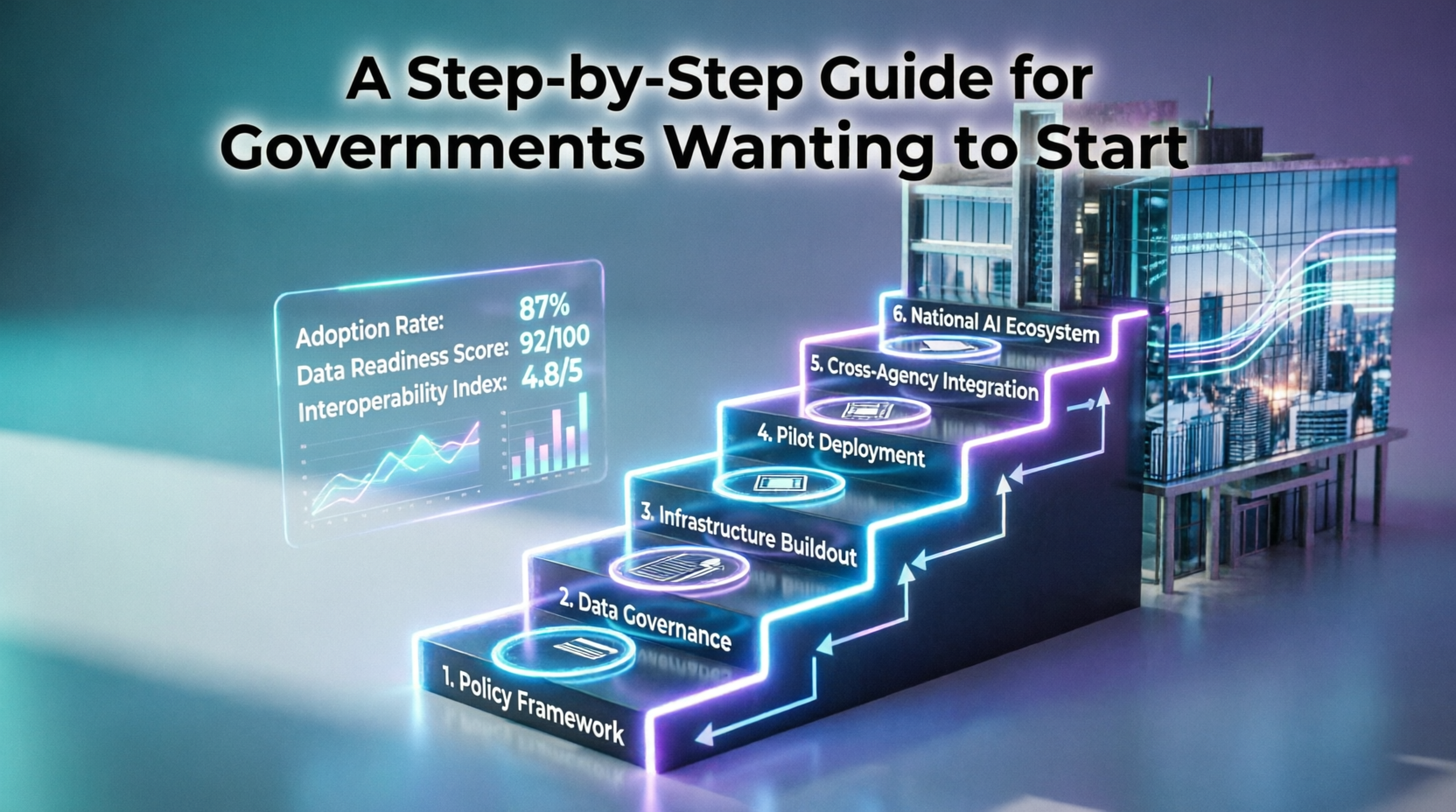
A Step-by-Step Guide for Governments Wanting to Start.
For any government or agency planning to bring AI into their anti-smuggling strategy, here is a simple road map:
Step 1: Start with data, not machines.
Before buying any AI tool, agencies need clean, organized records of past seizures, routes, and trade documents. AI is only as good as the data it learns from.
Step 2: Pick one problem area first.
Do not try to fix everything at once. Choose one clear area, like cargo scanning at a busy port or vessel tracking at sea, and build a working system there first.
Step 3: Combine AI with trained humans. AI should assist officers, not replace them completely. The best results come from AI flagging risks and trained officers making the final call.
Step 4: Build data-sharing agreements between departments and neighboring countries.** Smuggling crosses borders, so intelligence sharing must cross borders too.
Step 5: Set clear privacy and ethics rules.
Facial recognition and personal data tools must have legal oversight, so the system protects citizens rather than being misused against them.
Step 6: Keep updating the models.
Smugglers constantly change their tactics, so AI systems need regular retraining with fresh data, or they slowly become outdated and blind to new tricks.
Step 7: Measure results and adjust.
Track how many additional seizures, faster processing times, or new patterns were caught after using AI, and use that data to fine-tune the system further.

The Bigger Picture.
No single tool will completely wipe out smuggling; it is a problem as old as trade itself. But AI genuinely changes the balance of power. It gives border agencies the ability to watch millions of shipments, thousands of ships, and huge amounts of paperwork at once, something that was simply not possible with human eyes alone. Countries that are already using these tools are seeing real results: faster detection, fewer false stops for innocent travelers and traders, and smugglers being caught before their goods even reach the coastline.
For developing countries especially, this technology does not need to be extremely expensive to start. Many of these AI risk-tracking and document-scanning tools can be introduced in stages, starting small at one port or one border crossing, and expanding as results show up. The key is not waiting for a perfect system, but starting with the right data, the right partnerships, and a clear plan, and letting the technology grow from there.
Smuggling will not disappear overnight, but with the right use of AI, paired with trained people and strong international cooperation, countries can make it far harder, far riskier, and farless
profitable for criminal networks to keep operating.
Comments (0)
Please sign in to join the conversation.
No comments yet. Be the first to join the discussion!