
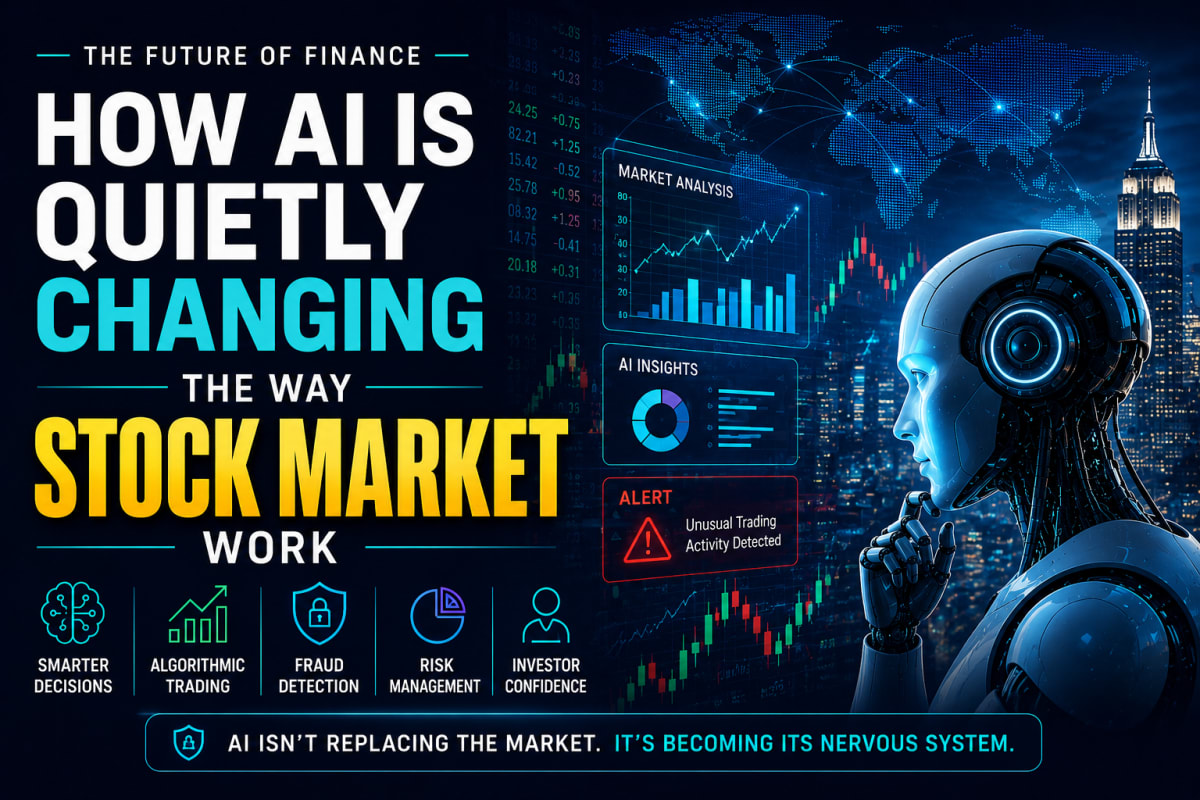
How AI Is Quietly Changing the Way Stock Markets Work
Walk into any big trading firm today and you won't see rows of men shouting "buy, buy, sell" like the old movies show. You'll see quiet rooms full of screens, and behind those screens, a lot of the real decisions are being made by software. Not by magic. By AI. And this shift is one of the biggest changes to hit the stock market in the last fifty years.
Let's talk about why AI matters here, how it actually works, and how the world's biggest and most advanced markets use it to keep investors interested and confident.
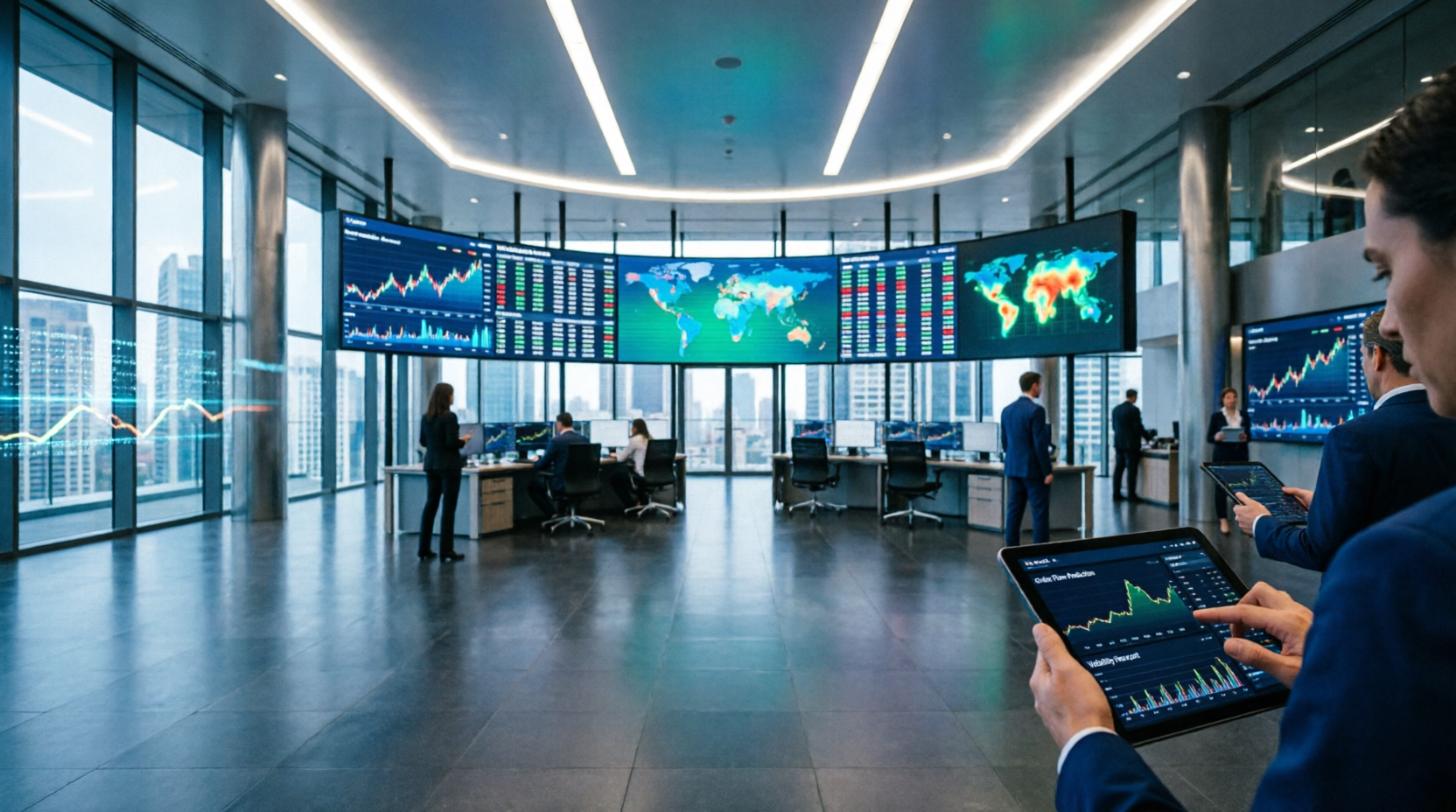
Why Stock Markets Even Need AI
A stock market is basically a giant trust machine. It only works if people believe the system is fair, fast, and won't cheat them. If investors lose trust, they pull their money out, prices crash, and the whole economy feels it.
The problem is, modern markets are too big and too fast for humans alone to watch properly. Millions of trades happen every second across the world. Prices move based on news, rumors, company earnings, weather, wars, tweets — everything. No human team, no matter how large, can track all of that in real time. That's where AI steps in.
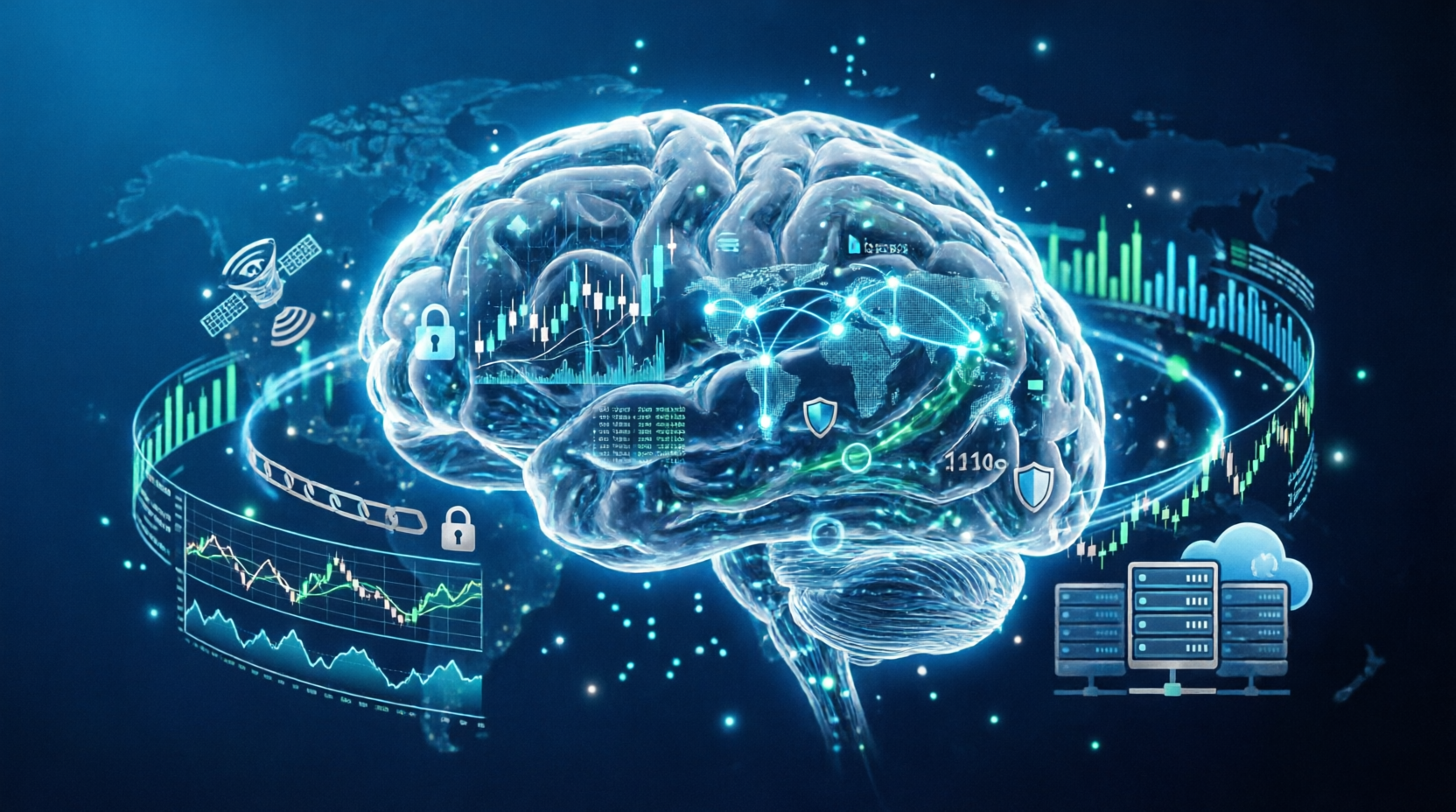
Reading the Market Faster Than Any Human Can
The first and most obvious job AI does is read information fast. AI systems scan news articles, company reports, social media posts, and even satellite images (yes, satellite images of parking lots outside stores to guess sales numbers) within seconds. A human analyst might take a full day to read through a company's earnings report. An AI model can read it, compare it to past reports, and flag anything unusual in under a minute.
This speed means big investment firms can react to real events almost instantly. If a company's report shows a warning sign, AI can alert traders right away instead of them finding out hours later when it's already old news.
Algorithmic Trading: Machines Making the Trades
You've probably heard the term "algo trading" or "algorithmic trading." This is where AI doesn't just help humans decide — it actually places the trades itself, based on rules and patterns it has learned.
Here's a simple way to picture it. Imagine you told a very fast, very disciplined assistant: "If this stock drops 2% in ten minutes but the company's fundamentals are still strong, buy a small amount." A human might miss that window because they were in a meeting or asleep. An AI system never sleeps, never gets distracted, and can act in milliseconds.
Big exchanges like the New York Stock Exchange and Nasdaq now see a huge share of daily trading volume come from these automated systems. This isn't a small side feature anymore — in advanced markets, algorithmic trading is a core part of how the market breathes every single day.
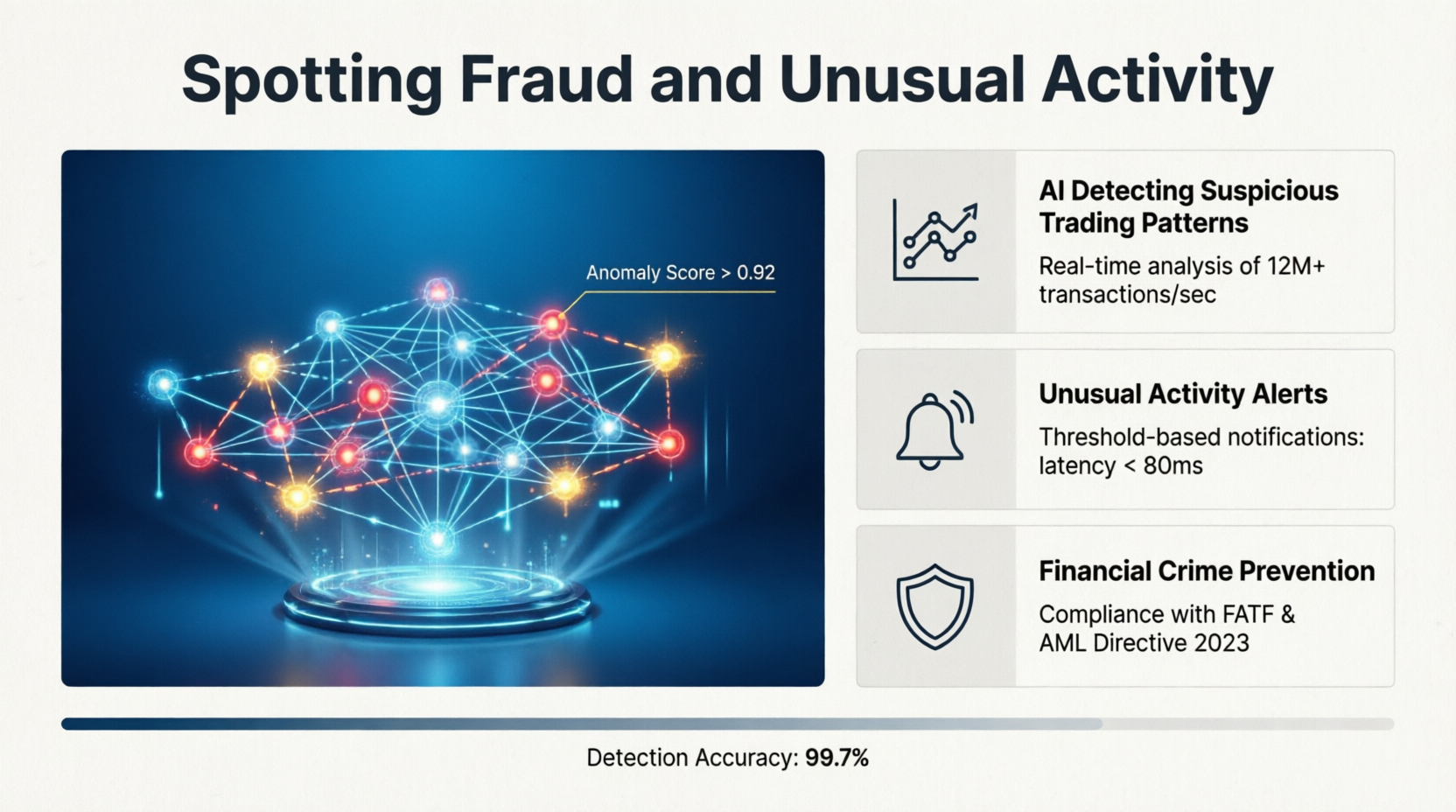
Spotting Fraud and Unusual Activity
One of the quietest but most important jobs AI does is protecting the market from cheating. Insider trading, pump-and-dump schemes, and fake trading patterns used to be very hard to catch. A human regulator might only notice something wrong after checking records weeks later.
AI changes this completely. It watches trading patterns constantly and can flag anything strange — for example, if a small, unknown account suddenly buys a huge amount of a stock right before a major announcement. That kind of pattern is a classic sign of insider trading, and AI can catch it almost as it happens, not months later.
This matters hugely for investor confidence. When people know that cheating gets caught quickly, they trust the system more, and they're more willing to invest their money.
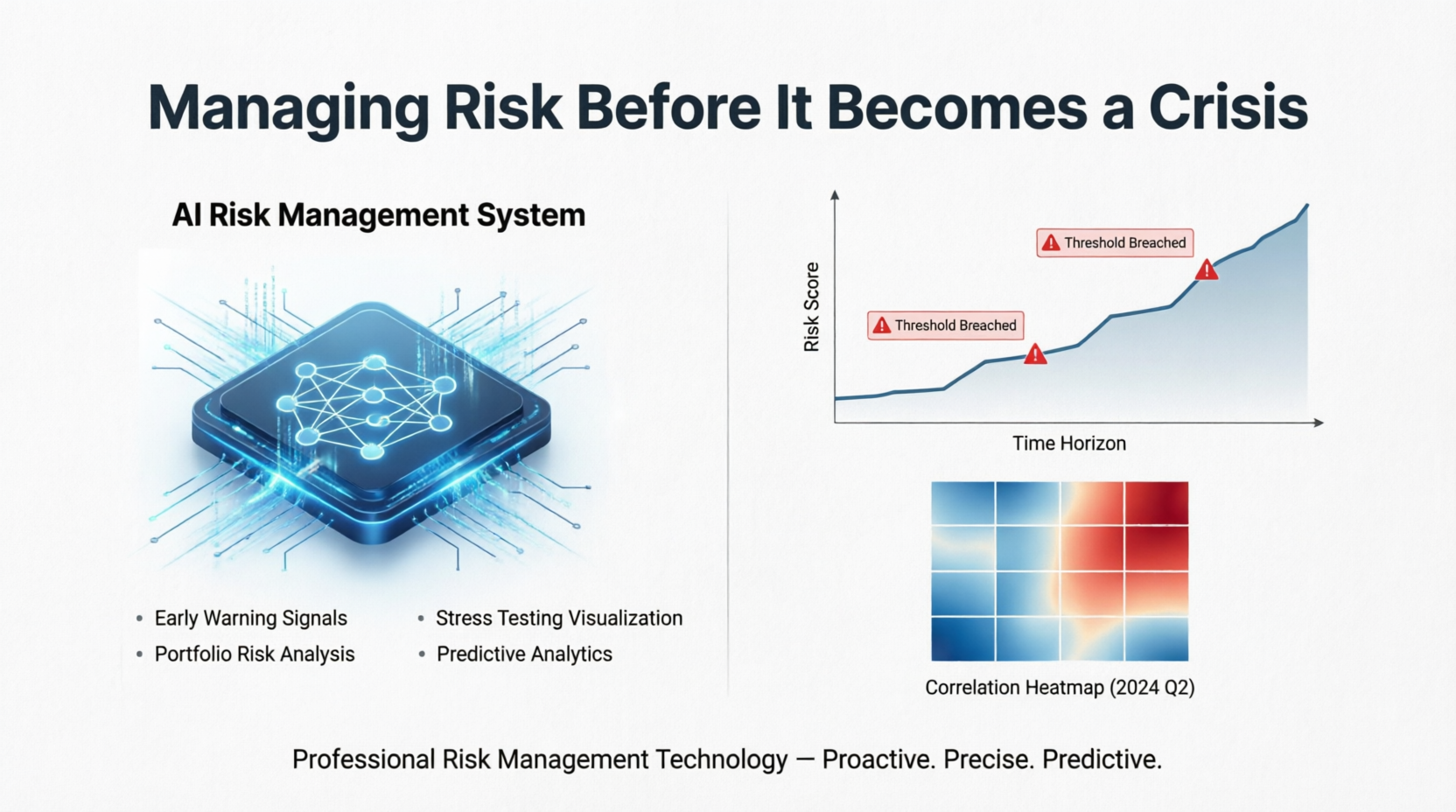
Managing Risk Before It Becomes a Crisis
Stock markets have crashed badly before because risks built up quietly and nobody noticed until it was too late — think of the 2008 financial crisis. One of the big lessons from that crash was that better, faster risk-tracking could have warned people earlier.
Today, AI models constantly calculate risk across entire portfolios, entire banks, even entire countries' financial systems. They look for warning signs like too much debt piling up in one sector, too many risky loans, or sudden strange movements in currency markets. Regulators in advanced economies now use AI-powered systems to watch for these signals so they can step in early, before a small problem turns into a massive crash.
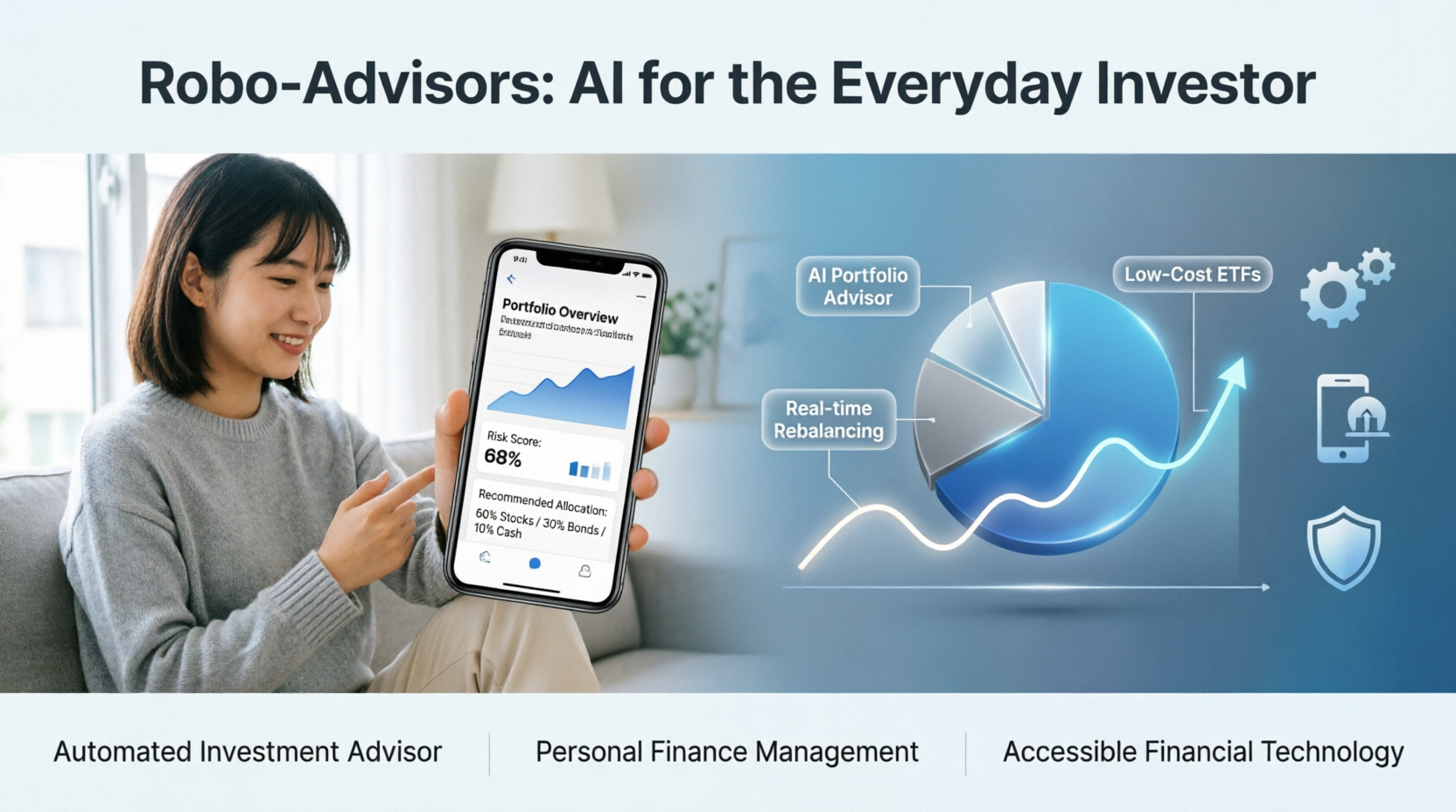
Robo-Advisors: AI for the Everyday Investor
AI in the stock market isn't only for giant banks and hedge funds anymore. Regular people benefit too, mainly through something called "robo-advisors." These are AI-powered tools that build and manage an investment portfolio for you based on your goals, your risk comfort, and how long you plan to invest.
Instead of paying a expensive human financial advisor, someone with a modest amount of savings can now get a reasonably smart, automated investment plan built for a fraction of the cost. This has opened the stock market to millions of smaller investors who previously felt shut out because they thought investing was only for the wealthy or the experts.
This is a big deal for market health too. More small investors participating means a market with wider ownership, not just a few big players controlling everything.
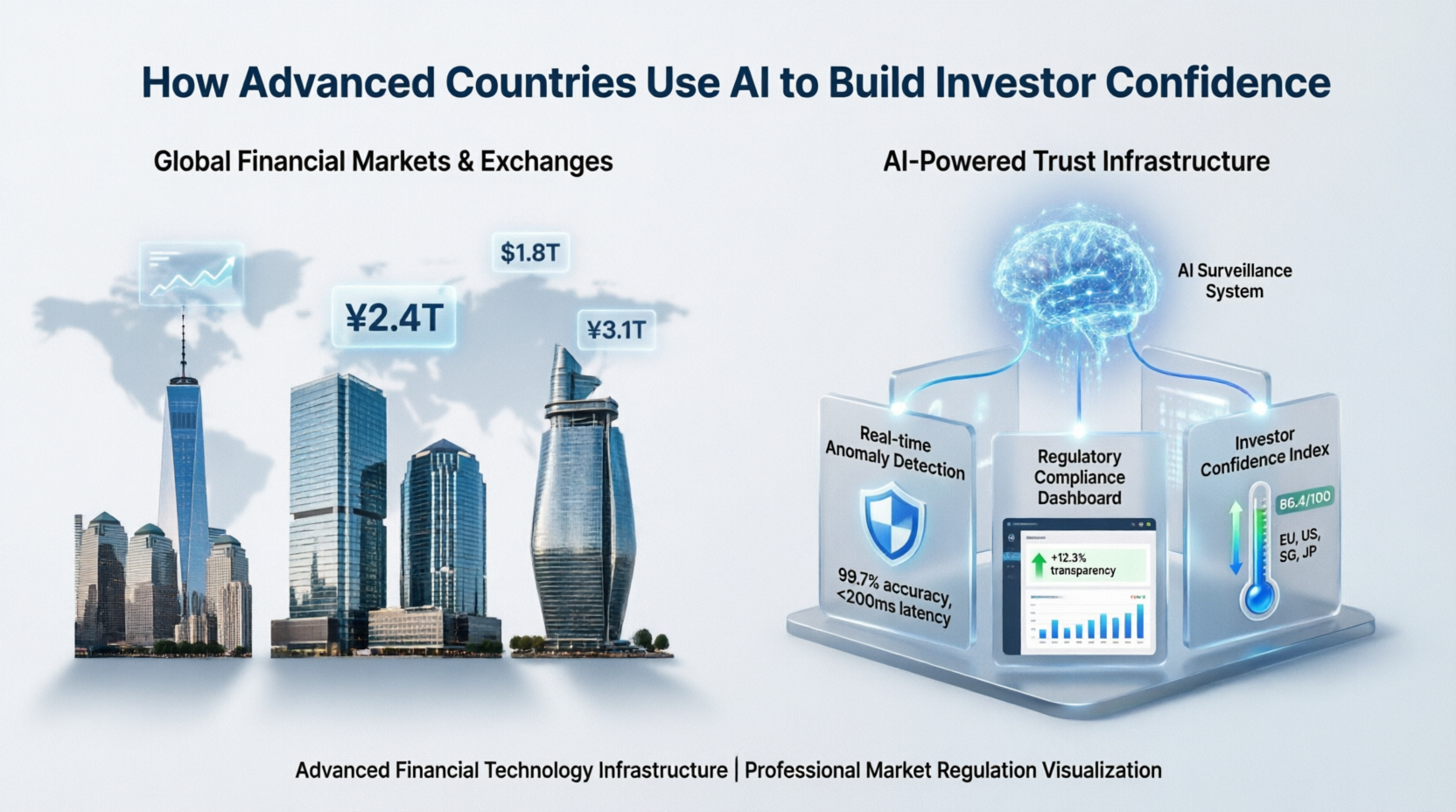
How Advanced Countries Use AI to Build Investor Confidence
Countries with the most developed financial markets — the United States, the United Kingdom, Japan, Singapore, and a few others — treat AI as a core part of how they run their exchanges, not just an extra tool.
A few ways they do this:
Real-time surveillance systems.
that watch every trade happening on the exchange, using AI to flag anything abnormal within seconds rather than days.
Stress-testing banks and funds.using AI simulations that imagine hundreds of possible bad scenarios — a war, a pandemic, a sudden interest rate spike — and check if the financial system could survive them.
Transparent reporting tools that use AI to summarize complicated financial data into plain language reports, so smaller investors can actually understand what they're buying instead of getting lost in confusing jargon.
Faster settlement systems where AI helps process and confirm trades quicker, cutting down the waiting time and reducing the chance of errors.
All of this adds up to one thing: trust. When investors — whether they're huge pension funds or a regular person investing their savings — see a market that catches fraud quickly, reacts to risk early, and explains things clearly, they feel safer putting their money in. And a market with more confident investors is a market that grows.
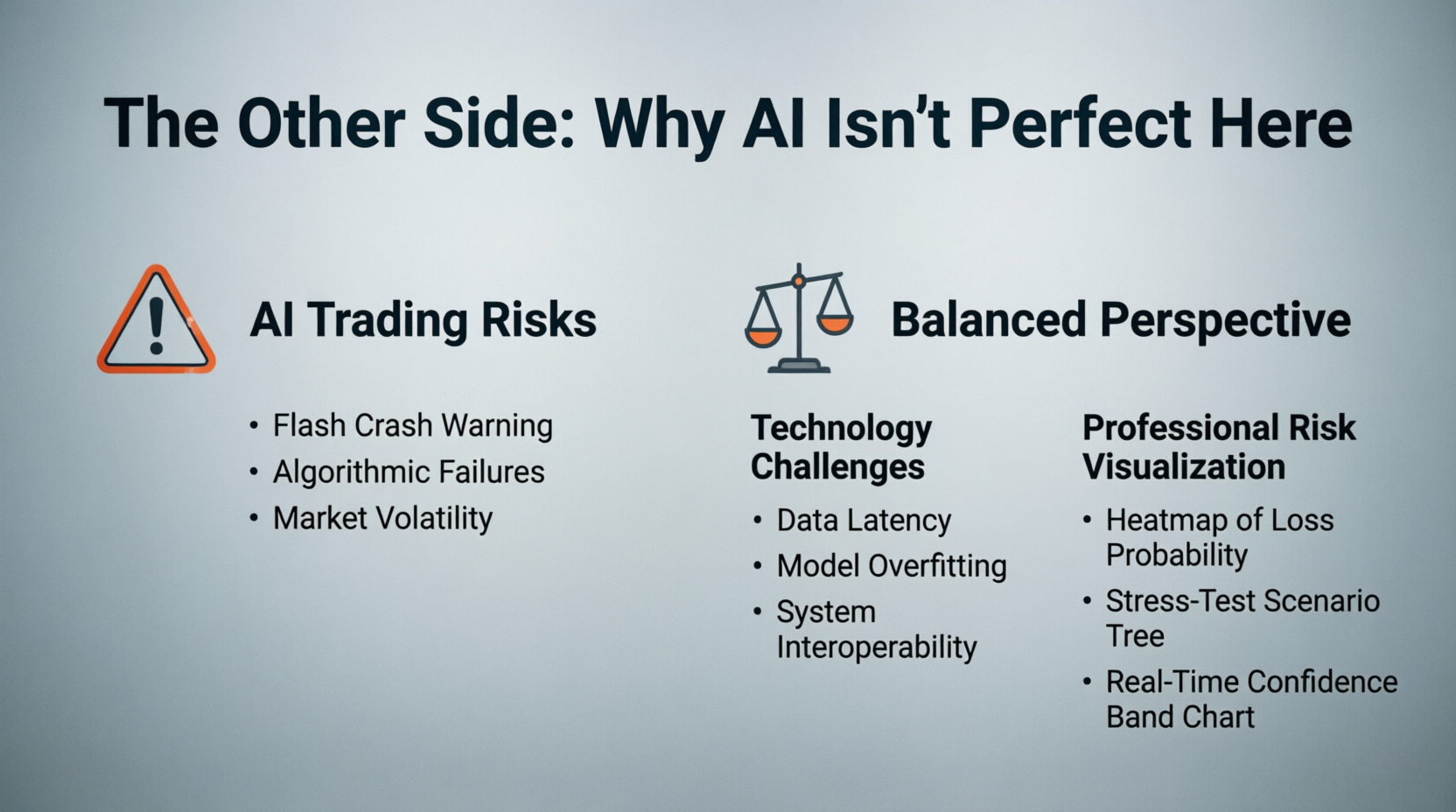
The Other Side: Why AI Isn't Perfect Here.
It would be unfair to make this sound like AI has solved everything. There are real concerns too.
Automated trading systems, if not managed carefully, can actually cause sudden crashes themselves — these are sometimes called "flash crashes," where a small glitch in one algorithm sets off a chain reaction across thousands of other AI systems trading in seconds. In 2010, a flash crash in the US market wiped out and then restored nearly a trillion dollars in value within minutes, and much of the blame was pointed at automated trading behavior.
There's also the worry that AI-driven trading favors big firms with the fastest computers and the most expensive systems, leaving smaller investors at a disadvantage. Regulators are still working on rules to keep this fair.
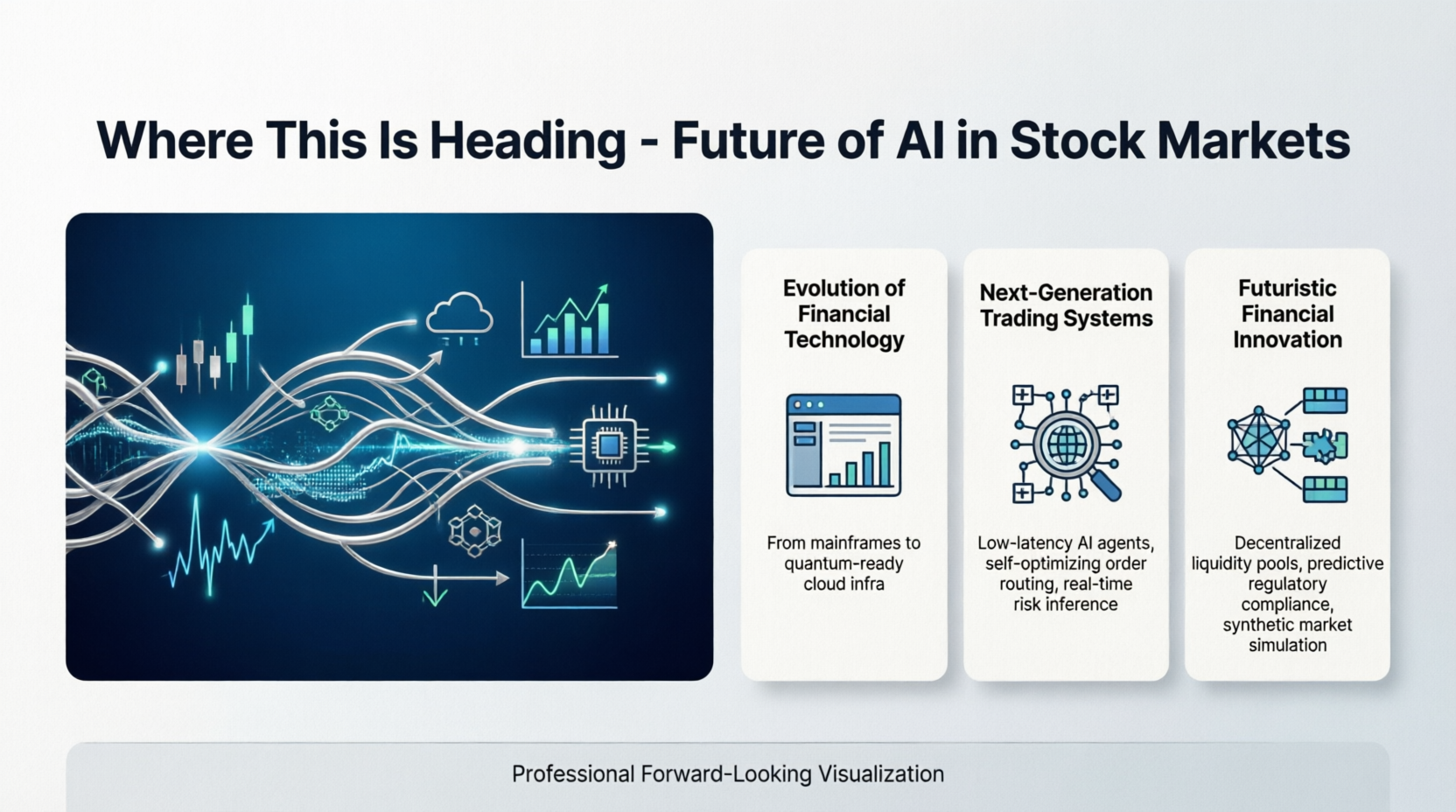
Where This Is Heading.
The direction is pretty clear. AI isn't replacing the stock market — it's becoming the nervous system of it. From the moment news breaks, to the trade being placed, to fraud being caught, to a small investor getting portfolio advice on their phone, AI is now touching nearly every part of the process.
The countries and exchanges that manage this well — using AI to protect investors and catch problems early, while keeping some human oversight in place — are the ones building the strongest, most trusted markets. The ones that ignore it, or let it run unchecked without proper rules, are the ones risking the next big crash.
For anyone watching the stock market today, understanding
AI's role isn't optional anymore. It's simply how the market works now.
Comments (0)
Please sign in to join the conversation.
No comments yet. Be the first to join the discussion!