
How AI Helps Countries Make More Electricity.
Every country in the world needs electricity. Factories need it. Homes need it. Hospitals need it. Schools need it. Without electricity, life stops. But making electricity is not easy. It takes big power plants, dams, solar farms, wind farms, and a lot of planning. Today, a new helper has joined this work. That helper is Artificial Intelligence, or AI.
AI is not a robot that builds power plants. AI is a smart computer system. It looks at data, finds patterns, and makes quick decisions. This helps power companies produce more electricity, waste less energy, and give power to more people. In this article, we will explain, step by step, how AI helps countries increase their electricity production. Then we will look at real examples from developed countries that are already using AI in this way.
Why Electricity Generation Needs Help.
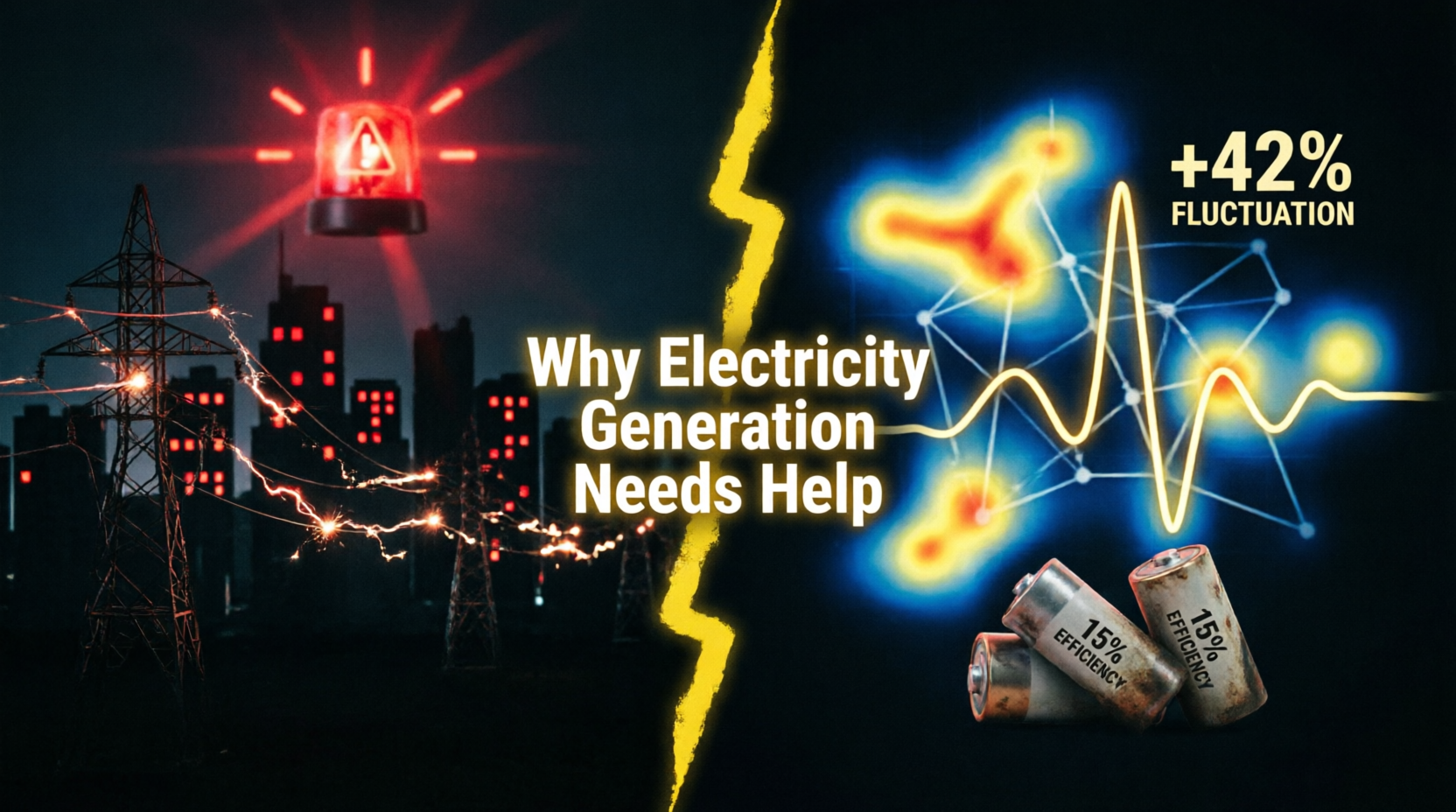
Before we talk about AI, let us understand the problem. A power grid is like a big river of electricity. Power plants make electricity. Wires carry it to homes and factories. But the amount of electricity people need changes every hour. In the morning, people turn on lights and machines. At night, demand drops. Weather also changes things. Solar panels stop working at night. Wind turbines slow down when there is no wind. This makes the job of producing the right amount of electricity, at the right time, very hard.
If a country produces too little electricity, there are blackouts. If it produces too much, energy is wasted, and it costs more money. This is exactly where AI steps in.
Step by Step: How AI Increases Electricity Generation.
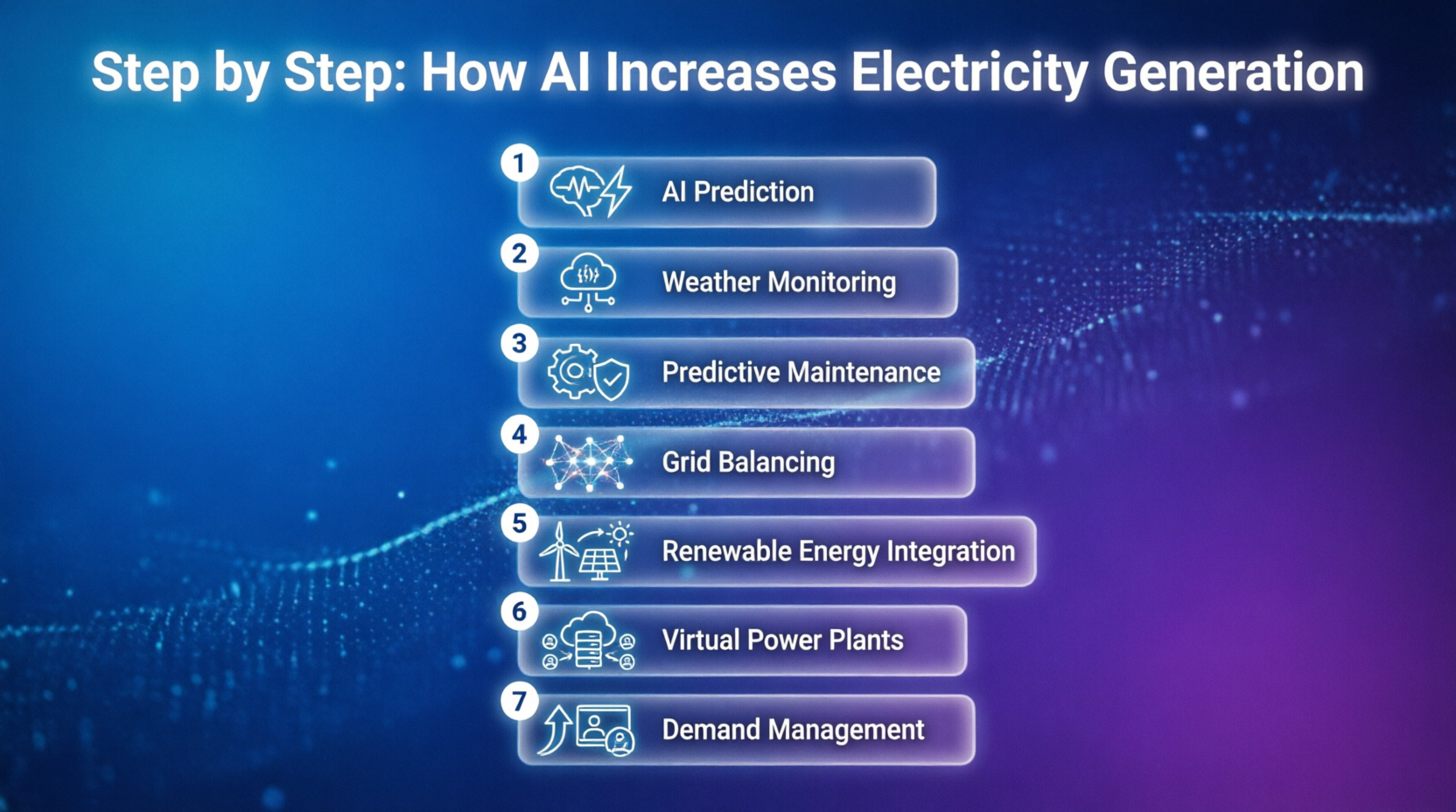
Step 1: AI Predicts How Much Electricity Is Needed.
The first job of AI is prediction. AI systems study old data, weather reports, and even public events, like holidays or big sports matches. Using all this information, AI tells power companies how much electricity will be needed tomorrow, next week, or even next month. This means power plants do not guess anymore. They know, with good accuracy, how much power to produce. This saves fuel and increases efficient generation.
Step 2: AI Watches the Weather for Solar and Wind Power.
Solar and wind energy depend completely on nature. AI uses satellite images to see clouds moving in the sky. This helps predict how much sunlight will reach solar panels. AI also studies wind speed and wind direction from weather models. This helps wind farms know how much electricity they can generate in the next few hours. Because of this, countries can plan better and use more renewable energy without fear of sudden power loss.
Step 3: AI Finds Problems Before They Happen.
Big machines in power plants, like turbines and generators, can break down. When they break, electricity production stops completely until repair is done. AI solves this problem through something called predictive maintenance. Sensors are placed inside machines. AI studies the small changes in temperature, vibration, and sound. If something looks wrong, AI warns engineers early, before a full breakdown happens. This keeps power plants running for longer, without unwanted stoppages.
Step 4: AI Balances the Whole Power Grid.
A power grid has many sources of electricity, coal, gas, solar, wind, hydro, and nuclear. AI acts like a smart traffic controller. It decides, second by second, which source should send more power and which one should send less. This balancing act is called grid management. When AI does this job, energy is not wasted, and the grid remains stable. Research shows that AI-based grid management can improve overall energy efficiency by around ten to fifteen percent. That is a huge number for any country.
Step 5: AI Reduces Wasted Renewable Energy.
Sometimes wind and solar farms make more electricity than the grid can use at that moment. In the past, this extra electricity was simply wasted. This waste is called curtailment. AI helps reduce this waste. It decides where to store extra energy in batteries, or which nearby area needs that power right now. This means more renewable electricity actually reaches homes instead of being thrown away.
Step 6: AI Connects Small Power Producers Together.
Nowadays, many homes have solar panels on their rooftops, and many have home batteries. AI can connect thousands of these small power sources into one large network. This network is called a Virtual Power Plant. Instead of one big power plant, AI combines many small ones and manages them like a single unit. This gives extra electricity to the grid whenever it is needed, especially during high demand hours.
Step 7: AI Helps Manage Demand, Not Just Supply.
AI does not just control how much electricity is produced. It also helps control how electricity is used. Smart AI systems can shift some electricity use to different hours, like cooling systems or factory machines. When AI shifts non-urgent power use to quiet hours, the same power plants can serve more people without adding new generation capacity.
How Developed Countries Are Using AI to Boost Electricity Production.
Now let us look at real examples from around the world.
Australia.
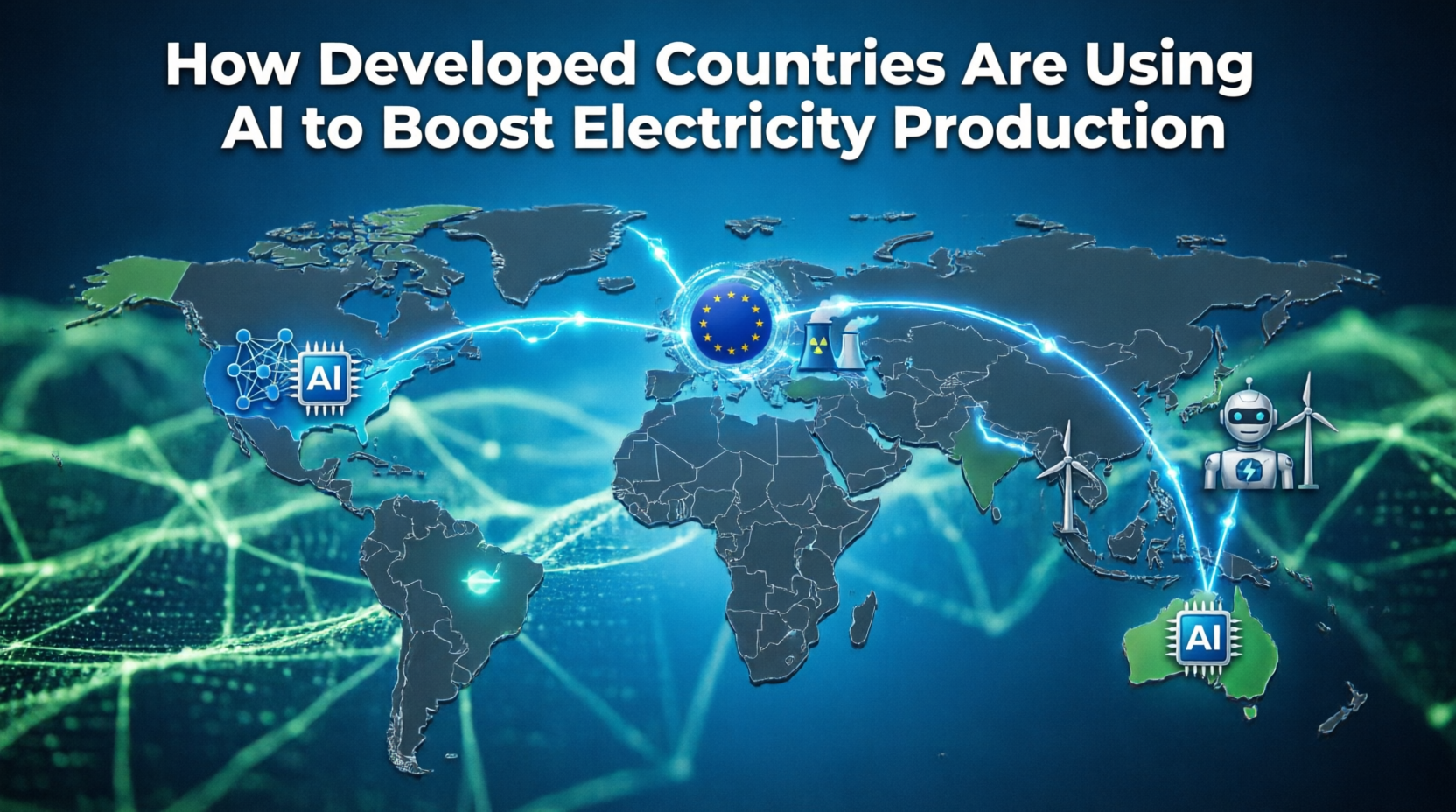
In South Australia, a project connects thousands of home batteries into one large network. This project began several years ago and keeps growing. AI studies real-time data from all these batteries. It decides when to release stored power into the grid. This has helped stabilize the grid and reduce blackouts, especially on very hot days when air conditioners use a lot of power.
Japan.
After the Fukushima disaster, Japan focused heavily on building stronger, smarter energy systems. Tokyo's power company created a decentralized energy network. This network combines rooftop solar panels, battery storage, and electric vehicle charging stations. AI plays the key role here. It manages local energy storage and balances the grid in real time. During emergencies, this system helps restore power faster. It also uses AI for something called peak shaving, which reduces stress on the grid during Tokyo's busiest hours.
United States.
Many American power grids are now using AI-based forecasting tools. These tools predict how much power renewable sources like wind and solar will produce. This has become very important because AI data centers themselves are using a huge and growing amount of electricity. In fact, global data center electricity use was around 415 terawatt hours in 2024 and is expected to almost double by the year 2030. Because of this pressure, American power grids are using AI to plan better, add new renewable generation faster, and avoid running out of supply.
Europe.
In Europe, several energy companies use AI-powered platforms to combine home solar panels, batteries, and electric vehicles into large virtual power plants. This helps balance supply and demand across entire cities. Ireland is a strong example. The country has been adding more renewable power and energy storage, aiming for eighty percent renewable electricity by 2030. AI tools help operators manage this growing share of wind and solar power without harming grid stability.
Why This Matters for the Future.
The world needs more electricity every single year. New technologies, electric cars, AI computer systems, and growing populations all need power. If countries only build more power plants without using smart technology, they will waste money and energy. AI offers a smarter path. It helps existing power plants work better. It helps renewable energy become more reliable. It reduces waste. It prevents unexpected breakdowns. And it connects millions of small power sources into one strong, flexible system.
For electrical engineers, this is an exciting time. The future of power generation is not only about building bigger plants. It is about building smarter systems. AI is becoming a true partner for engineers, helping them predict, manage, and improve electricity generation across entire nations.
As more countries adopt AI in their energy systems, we can expect fewer blackouts, cleaner energy, and better use of every unit of electricity produced. This is not just a technology story. It is a story about how nations can meet the growing
needs of their people, using intelligence, not just infrastructure.
Comments (0)
Please sign in to join the conversation.
No comments yet. Be the first to join the discussion!