
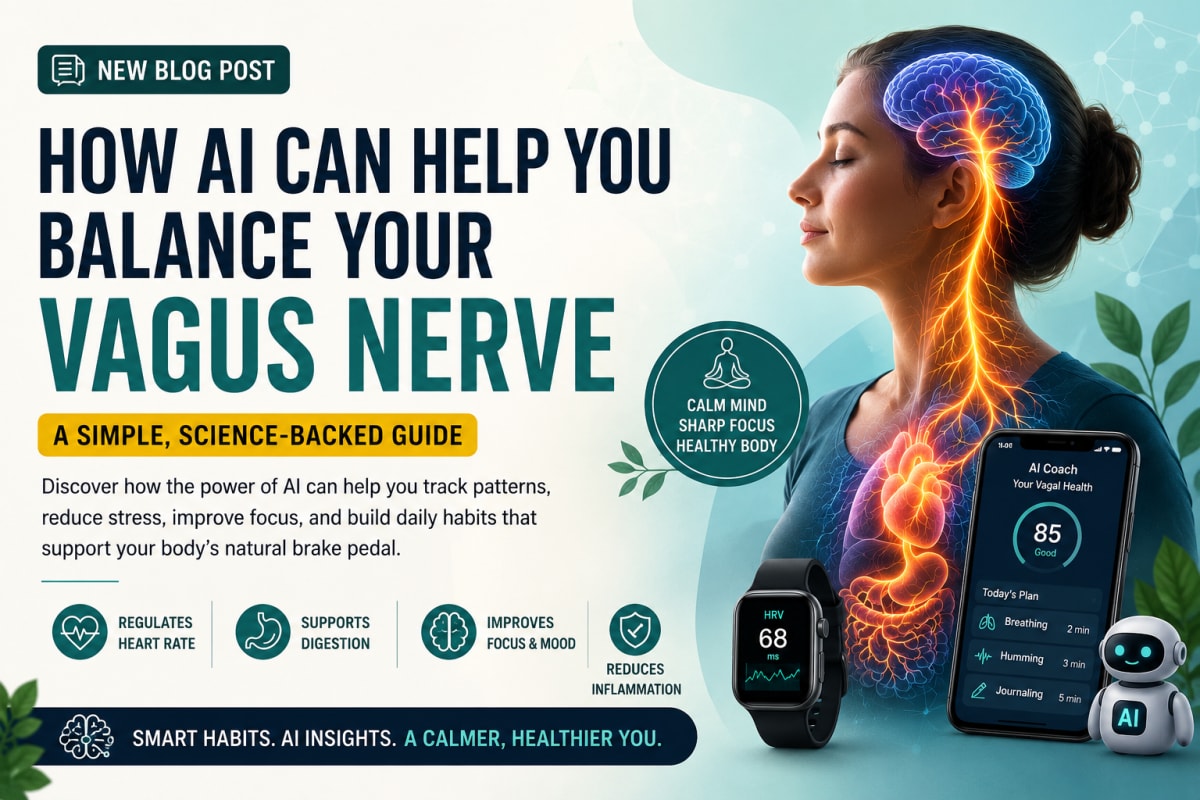
How AI Can Help You Balance Your Vagus Nerve: A Simple, Science-Backed Guide.
A few years back, I noticed something strange about my own body. Some days, after a stressful meeting, my heart would race for almost an hour afterward. Other days, the same kind of stress would pass through me in minutes. I didn't understand why my body reacted so differently to similar situations — until I learned about one nerve that quietly runs the show behind the scenes: the vagus nerve.
If you've never heard the name before, don't worry. Most people haven't, even though this nerve touches almost every major organ in your body. Once you understand what it does, a lot of things about stress, digestion, sleep, and mood start to make a lot more sense.
What Exactly Is the Vagus Nerve?
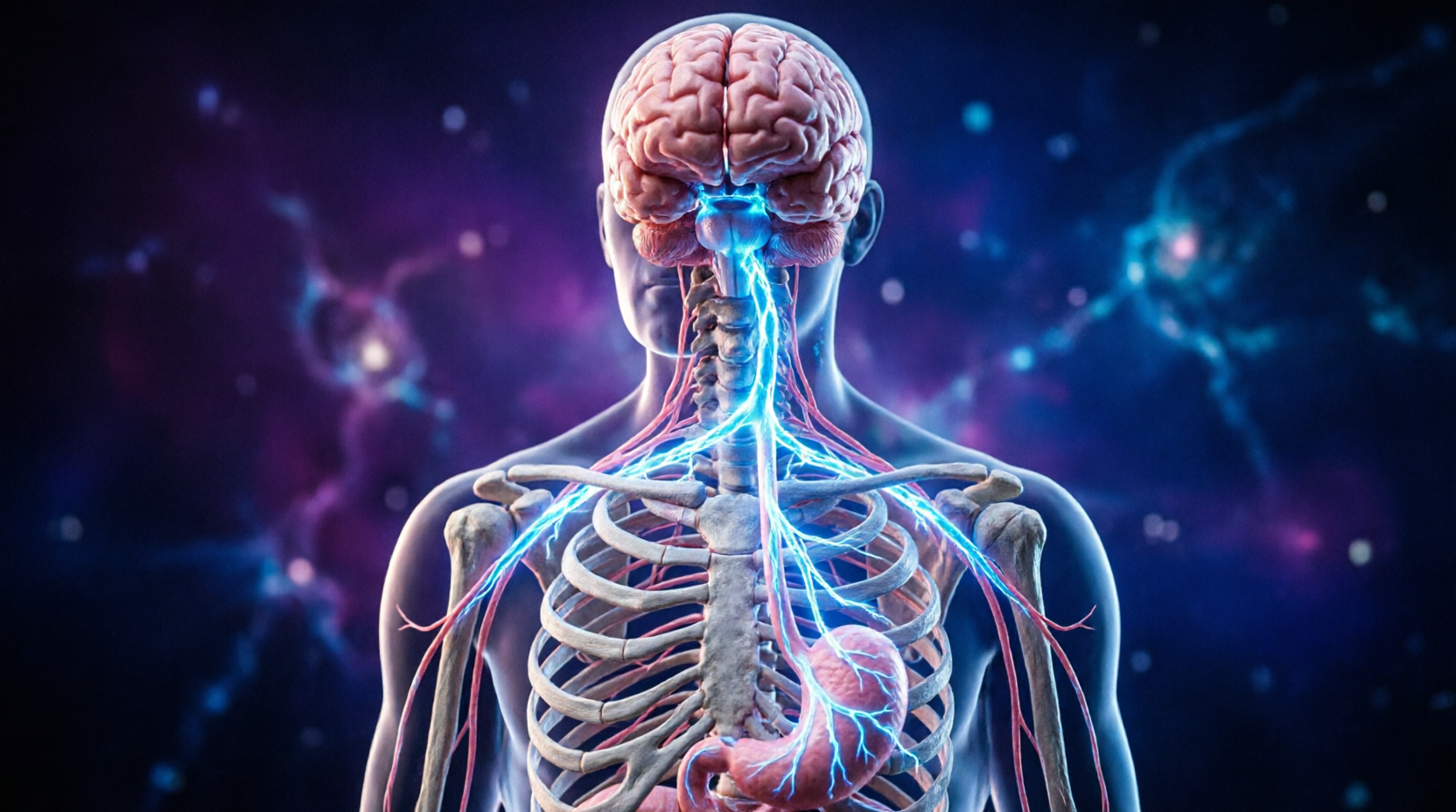
The vagus nerve is the longest nerve in your body that connects directly to your brain. It starts at the base of your brain, travels down through your neck, passes through your chest, and ends in your stomach and intestines. Because it stretches so far and touches so many organs, scientists sometimes call it the "wandering nerve" — which is actually what the Latin word "vagus" means.
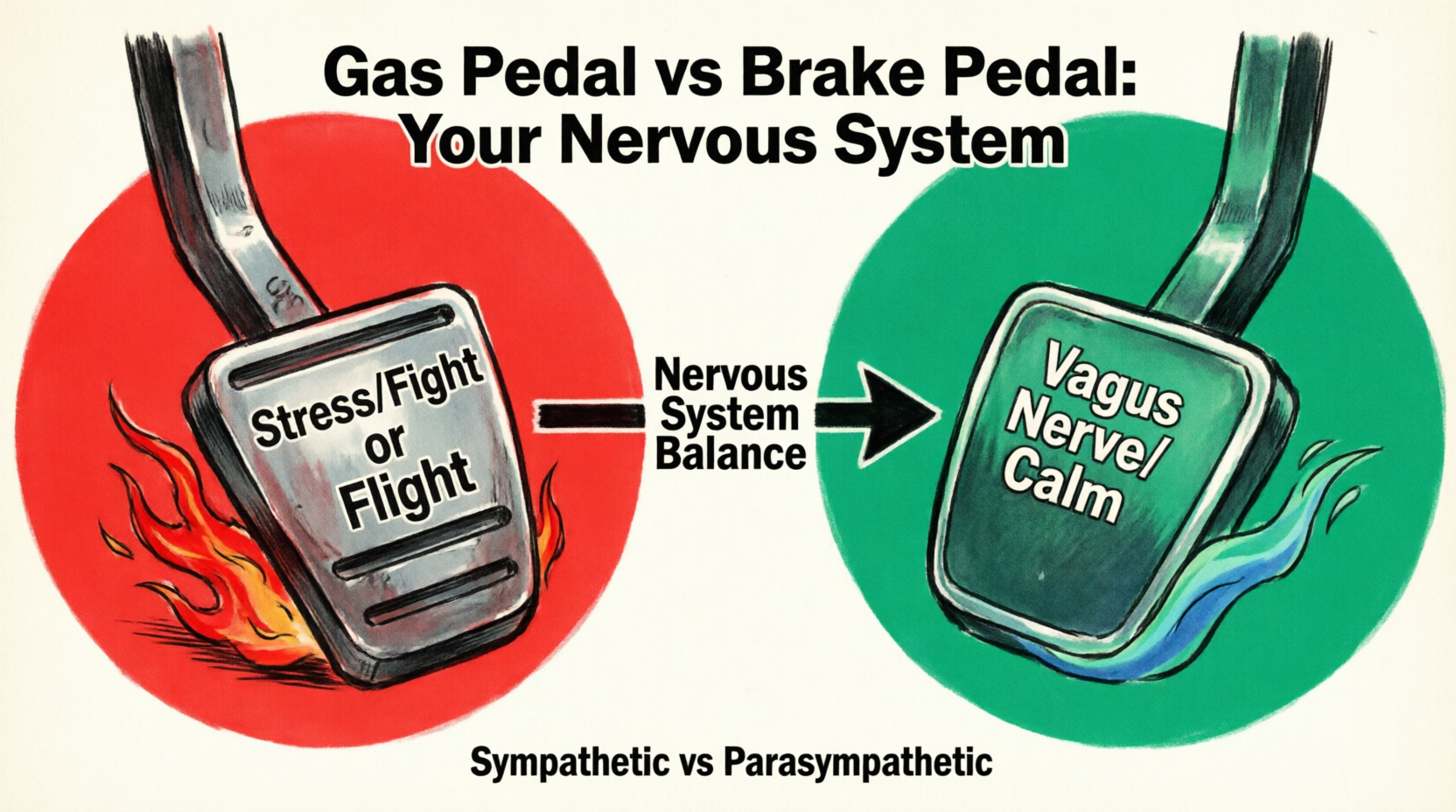
This nerve is the main highway of your parasympathetic nervous system. That's the part of your nervous system responsible for calming you down after stress, as opposed to the sympathetic nervous system, which triggers your "fight or flight" response. Researchers at the National Center for Voice and Speech describe it as the part of your body that regulates heart rate, digestion, and breathing all at once.
Here's a simple way to picture it. Imagine your body has two pedals: a gas pedal and a brake pedal. The sympathetic nervous system is the gas pedal — it speeds things up when you sense danger or stress. The vagus nerve is the brake pedal. It's the one that tells your heart, "Okay, the danger has passed, you can slow down now." When this brake works well, you recover from stress quickly. When it doesn't work well, your body stays stuck in a stressed-out state for far longer than it needs to.
What Is "Vagal Tone" and Why Does It Matter?
Doctors and researchers measure how well your vagus nerve is working using something called vagal tone. Think of vagal tone as a fitness score for your internal brake pedal. People with high vagal tone bounce back from stress quickly and smoothly. People with low vagal tone tend to stay anxious, tense, or wound up for much longer after something stressful happens.
The interesting part is that vagal tone isn't just about feeling calm. Scientific research published in 2025 found that people with higher vagal tone also performed better on tasks involving memory, focus, and decision-making. A study in Frontiers in Psychology, looking at vagal activity in adults, found that this nerve activity tracks closely with attention, working memory, and the ability to switch between tasks smoothly.
There's even more. Your vagus nerve plays a major role in keeping inflammation in your body under control. Research published on this topic explains that vagal stimulation can reduce the release of inflammatory chemicals in the body, which means a healthy vagus nerve doesn't just calm your mood — it may also protect your long-term physical health.
So this one nerve, which most people have never heard of, is quietly involved in how calm you feel, how clearly you think, how well you digest food, and how much inflammation builds up in your body over time.

Now, Where Does AI Actually Fit In?
This is the part where I want to be completely honest with you, because a lot of content online makes big claims that simply aren't true. AI is not a magic device that reaches into your body and adjusts your nerve directly. There is no app or chatbot that can "balance" your vagus nerve by itself. What AI can genuinely do is act as a smart, personalized coach and tracker that helps you do the things that science already shows improve vagal tone — just in a more consistent, organized, and personalized way than doing it alone.
Here's how that actually works, step by step.

Step 1: Use AI to Track Your Patterns.
Many people already wear devices like smartwatches or fitness rings that measure heart rate variability, or HRV. HRV is the small variation in time between your heartbeats, and it happens to be the most common real-world signal doctors use as a stand-in measurement for vagal tone, according to research from the Polyvagal Institute.
You can ask an AI tool to look at your HRV data over time and tell you patterns — for example, "your recovery numbers drop every Tuesday after your morning meeting" or "your scores improve on days you went for a walk." A human might miss these patterns scattered across weeks of data, but AI can spot them in seconds. This step doesn't change your nerve directly. It simply shows you, clearly, what is helping and what is hurting.

Step 2: Ask AI to Build You a Personalized Breathing Routine.
Slow, deep breathing is one of the most well-researched ways to stimulate the vagus nerve naturally. When you breathe out slower than you breathe in, you activate the calming, parasympathetic side of your nervous system. The science behind this is solid and well established.
What AI adds here is personalization. Instead of following a generic breathing video, you can describe your schedule, your stress triggers, and even your personality to an AI tool, and ask it to design a short breathing routine that fits your actual day. For example, you might ask for a two-minute breathing pattern you can do at your desk before a tense meeting, or a slightly longer one before bed. AI can adjust the timing, the wording of the instructions, and even remind you at the right moments if it's connected to your phone.
Step 3: Use AI-Guided Humming, Chanting, or Singing.
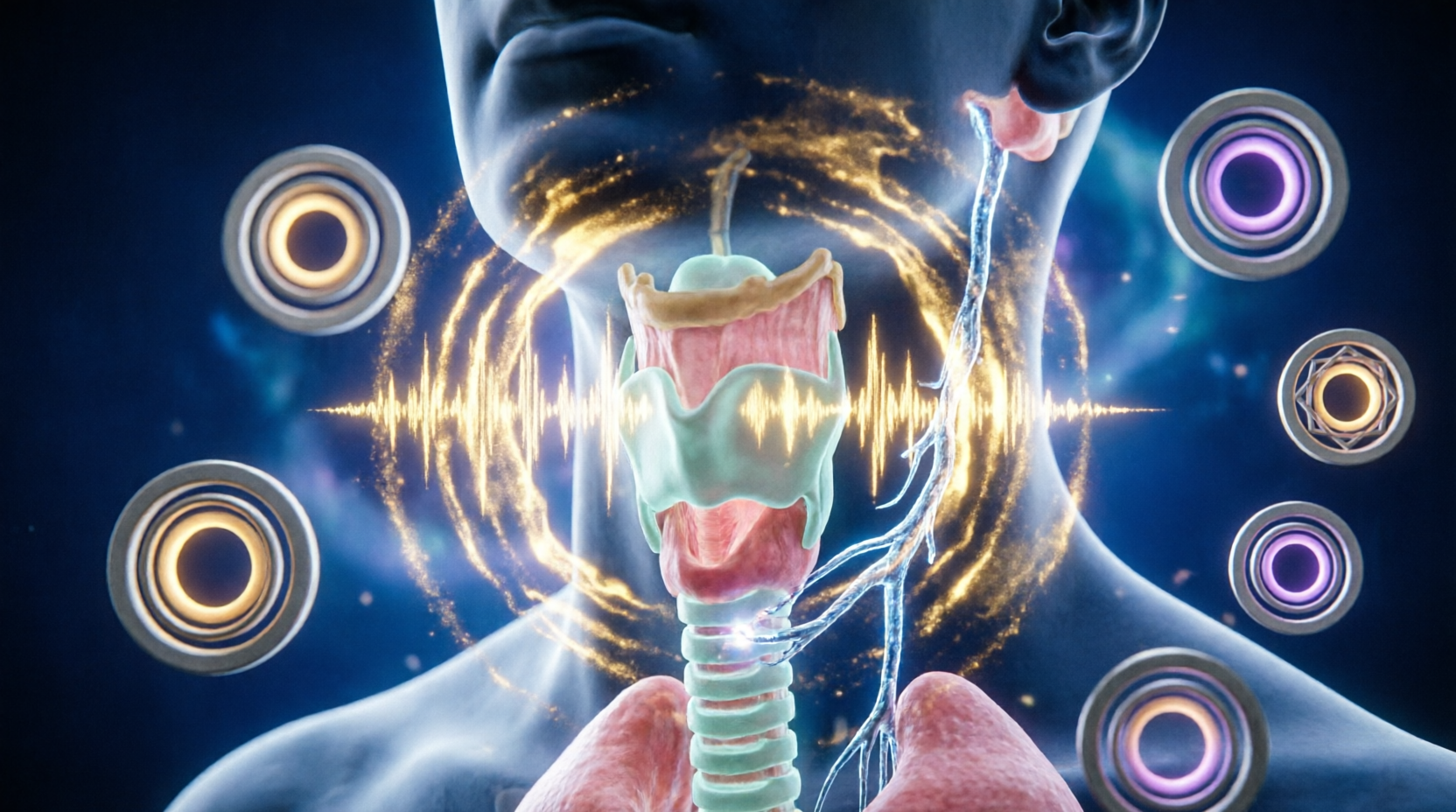
This might surprise you, but research featured in the National Center for Voice and Speech found that practices like humming, chanting, and singing can stimulate the vagus nerve because the nerve is directly connected to the muscles in your throat. Specific practices, like the yogic humming-bee breath, have been shown in studies to increase HRV and improve vagal balance.
AI tools can guide you through these vocal exercises with step-by-step audio instructions, track how consistently you practice, and adjust the difficulty as you improve. It turns a vague wellness idea into a structured daily habit you can actually stick to.
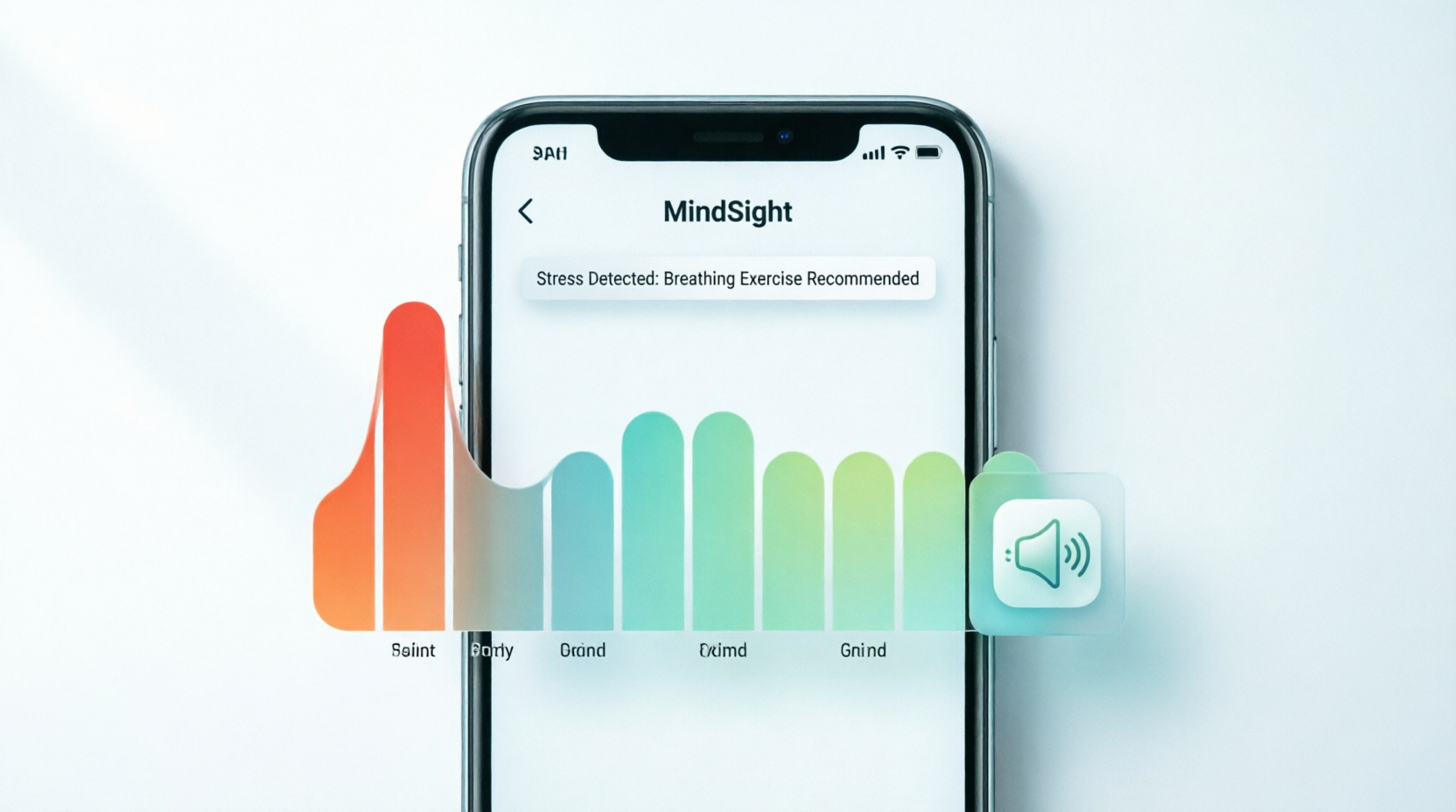
Step 4: Let AI Help You Notice Stress Before It Builds Up.
One of the quieter ways AI helps is through journaling. If you write a few lines daily into an AI-powered journal app about your mood, sleep, and stress levels, the AI can notice early warning signs, like rising irritability or poor sleep, before they spiral into a bigger problem. Catching stress early gives your vagus nerve less work to do in the first place, because your body never gets pushed as far into "fight or flight" mode.

Step 5: Combine AI Insights With Real Medical Guidance.
It's worth repeating: for people with serious health conditions, actual vagus nerve stimulation devices exist and are used clinically for conditions like depression and epilepsy, but these require a doctor's involvement. AI should never replace medical care. Instead, think of AI as the layer that helps you stay consistent with the small, daily habits — breathing, tracking, journaling — that genuinely support a healthy nervous system over time.

The Bigger Picture.
Your vagus nerve has been quietly running your body's calming system since the day you were born. For most of human history, the only tools available to support it were things like breathing, singing, and rest — and those tools still work today, backed by real research. What AI offers isn't a replacement for any of that. It offers structure, personalization, and consistency, turning scattered good intentions into an actual daily practice you're far more likely to stick with.
The science is clear that a well-functioning vagus nerve supports calmer moods, sharper thinking, and a healthier body. The honest role of AI is to be your patient, detail-oriented assistant in building the
habits that get you there — nothing more, and nothing less.
Comments (0)
Please sign in to join the conversation.
No comments yet. Be the first to join the discussion!