
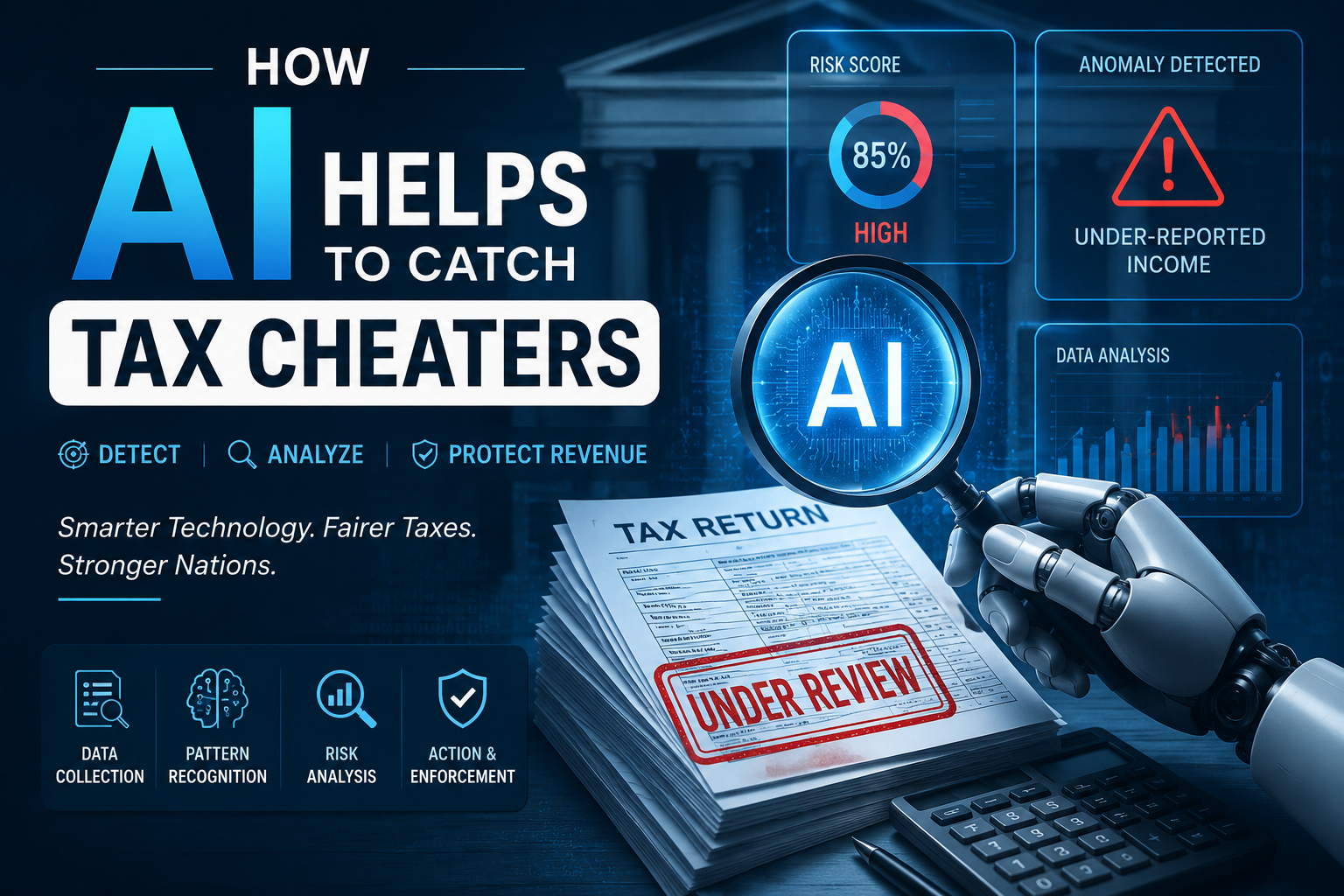
The Taxman Just Got a New Brain: How Computers Are Catching Tax Cheats.
Here is a fact that will surprise you. Every year, governments lose hundreds of billions of dollars because some people do not pay the tax they owe. Not thousands. Not millions. Billions.
In the United States, this lost money is close to $600 billion every single year. In the United Kingdom, it is about £46.8 billion a year. That money could build hospitals. It could build schools. It could fix roads. Instead, it disappears.
For years, this problem felt impossible to fix. Now, something is changing. And that something is Artificial Intelligence, or AI.
Why Humans Alone Could Never Win This Fight.
Think about it this way. One tax officer can check maybe a few hundred files in a month, if they work very hard. But every year, millions and millions of people file their taxes. No team of humans, no matter how smart or how hardworking, can check every single file by hand.
This is not the fault of tax officers. It is simple math. Too many files. Too little time.
So for decades, cheats found small gaps and slipped through. Now, that is getting harder. Much harder.
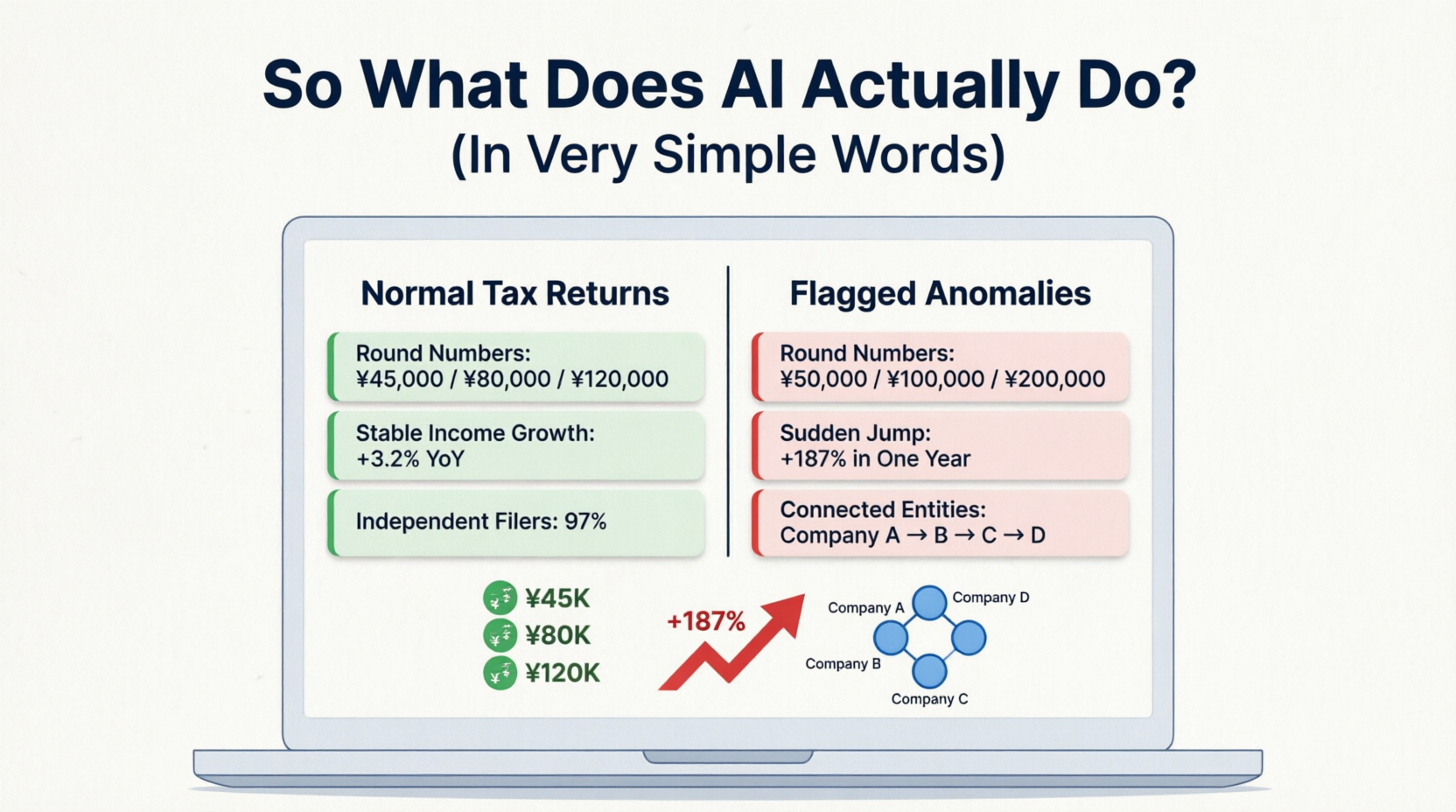
What Does AI Actually Do?
Let's clear up a myth first. AI does not "know" who is a cheat just by looking at them. That is not how it works.
Here is what really happens. The computer looks at millions of honest tax returns first. From this, it learns what a "normal" tax return looks like for a normal person or business. Then, when one file looks very different from normal, the computer notices right away.
Here are some simple things that make AI raise a flag:
Round numbers everywhere.
Real spending is messy. Nobody spends exactly $5,000 or exactly $10,000 every single time. If someone's expenses are always suspiciously round, that looks fake.
Sudden jumps in income. If your income was 2 lakhs last year and suddenly 20 lakhs this year, with no clear reason, AI notices.
Hidden company webs. Some people hide money by splitting it across five, six, or ten fake paper companies. Each company looks small and boring alone. But AI can connect all of them and see the full picture in minutes.
This does not mean the person is guilty. It just means: "Hey, a human should take a closer look at this one."

Real Examples From Real Countries.
In America: The tax department, called the IRS, now uses AI to study huge partnership companies — the kind with more than $10 billion in assets. Regular salary income is hard to hide because your employer already reports it. But business income hiding inside big, complicated company structures? That is where the real cheating happens. And that is exactly where AI is now pointed.
In Britain: In May 2026, the UK tax department (called HMRC) signed a huge deal worth ,£175 million, with a British company called Quantexa. This AI system connects records that used to sit in separate, disconnected computer systems. If someone is hiding money across five shell companies, the system can link all five together and show the real truth. Work that used to take human investigators many months now takes minutes.
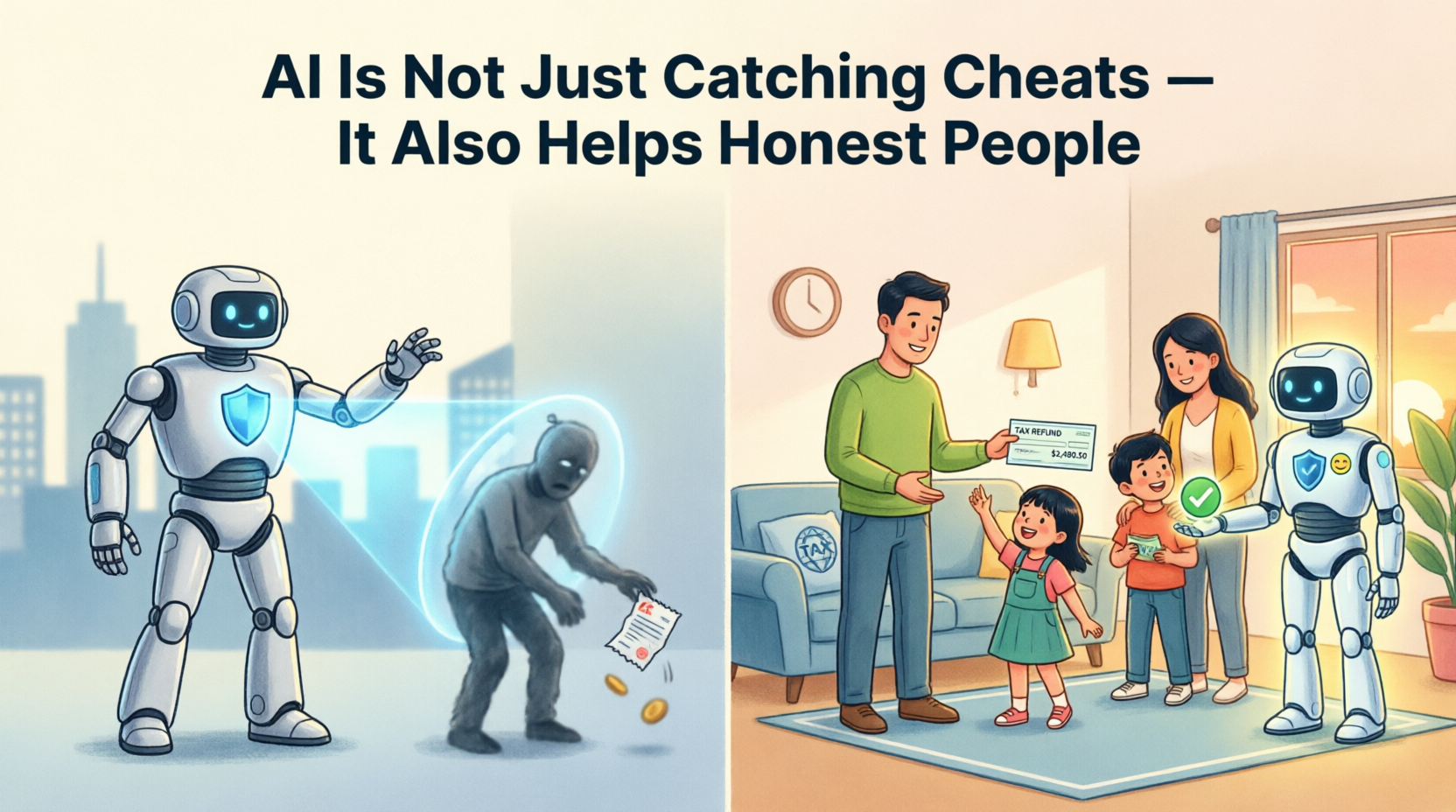
AI Is Not Just Catching Cheats . It Also Helps Honest People.
Here is the part almost nobody talks about, and it is honestly the best part.
The same AI that catches cheats is also used to help honest, everyday taxpayers. If a person forgot to claim a tax credit or deduction they were actually allowed to have, AI can spot that too, and the tax department can tell them, "You are owed more money back."
This matters a lot. A system that only ever punishes people feels scary. A system that also helps people feels fair. And a fair system is one people actually trust.
Also, chatbots now answer millions of taxpayer phone calls instantly. No more waiting on hold for hours just to ask a simple question.
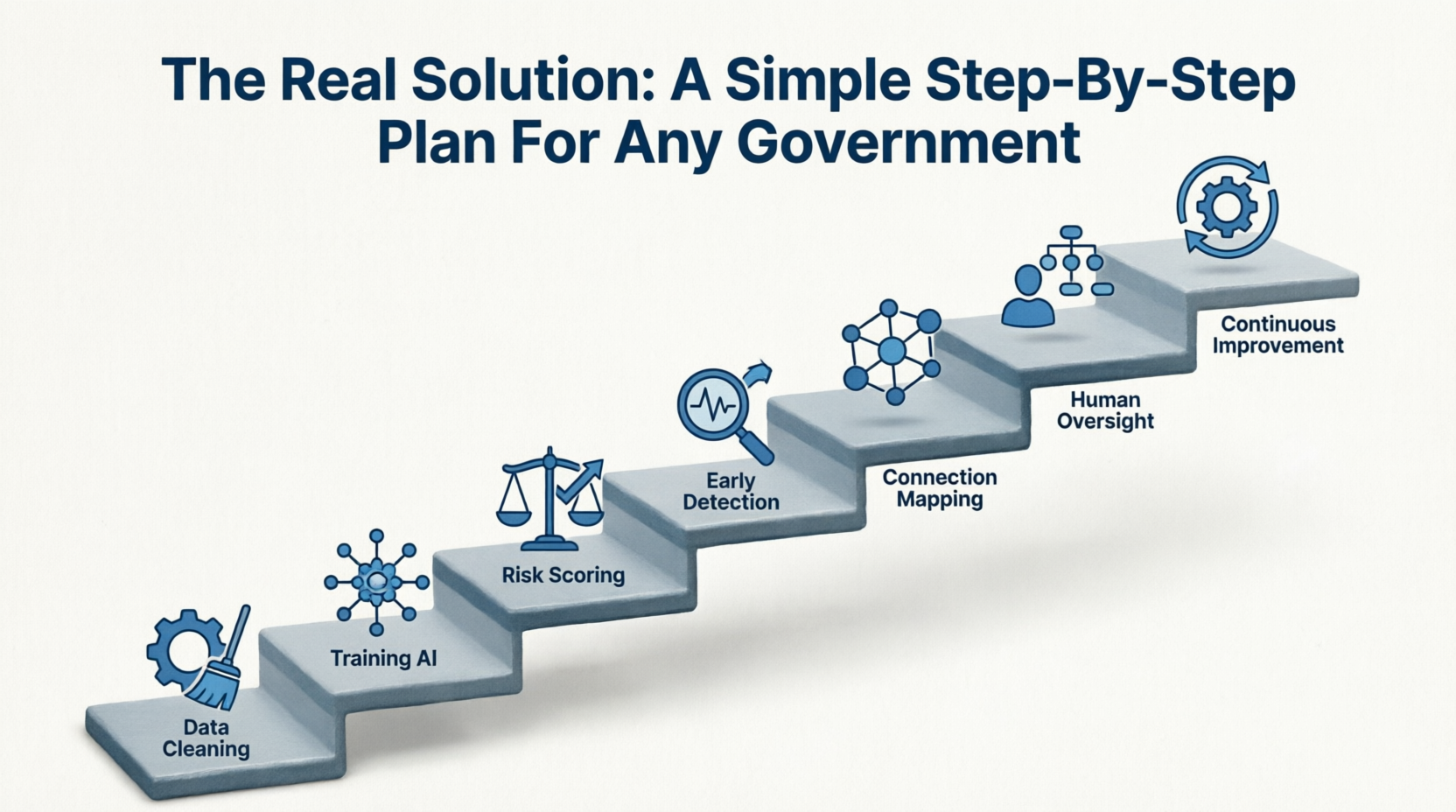
The Real Solution: A Simple Step-By-Step Plan For Any Government.
If a government wants to use AI to catch tax cheats and collect more revenue, here is the clearest, most practical plan, step by step.
Step 1: Clean up the data first.
This sounds boring, but it is the most important step. Bank records, property records, and old tax files all need to be connected in one place. AI cannot find patterns in messy, scattered data.
Step 2: Teach the AI the difference between a mistake and a crime.
Show the system thousands of real cheating cases and thousands of honest mistake cases side by side. If the AI cannot tell these two apart, it will punish innocent people for simple errors. That is dangerous and unfair.
Step 3: Give every tax file a risk score, don't accuse anyone.
Not every file deserves equal attention. AI should simply rank files from "low risk" to "high risk." Human officers then check the high-risk files first. The AI suggests. The human decides.
Step 4: Catch mistakes at the moment of filing, not years later.
This is huge. If a mistake is caught the same day someone files their taxes, they can fix it in minutes. If it is caught three years later, it becomes a stressful, expensive audit. Catching things early saves everyone time, money, and worry.
Step 5: Follow the connections, not just the individual.
Big tax cheating rarely lives in one file alone. It is usually spread across many companies on purpose, so each piece looks small and harmless. AI that can map these hidden connections is far more powerful than AI that checks one file at a time.
Step 6: Always keep a human in charge of the final decision.
This step matters more than any other. In one well-known study, taxpayers claiming a low-income tax credit in America were found to be audited more often simply because they were Black — not because anyone planned it that way, but because of a flaw hidden deep inside the algorithm. This is exactly why a human must always review the final call before any real punishment happens to a real person.
Step 7: Check the results every year, and keep improving.
Once the system is built, the work is not over. Governments must check every year: How much extra money came in? How many mistakes did the AI make? What needs fixing? A system that is never rechecked will slowly start making bigger and bigger mistakes without anyone noticing.
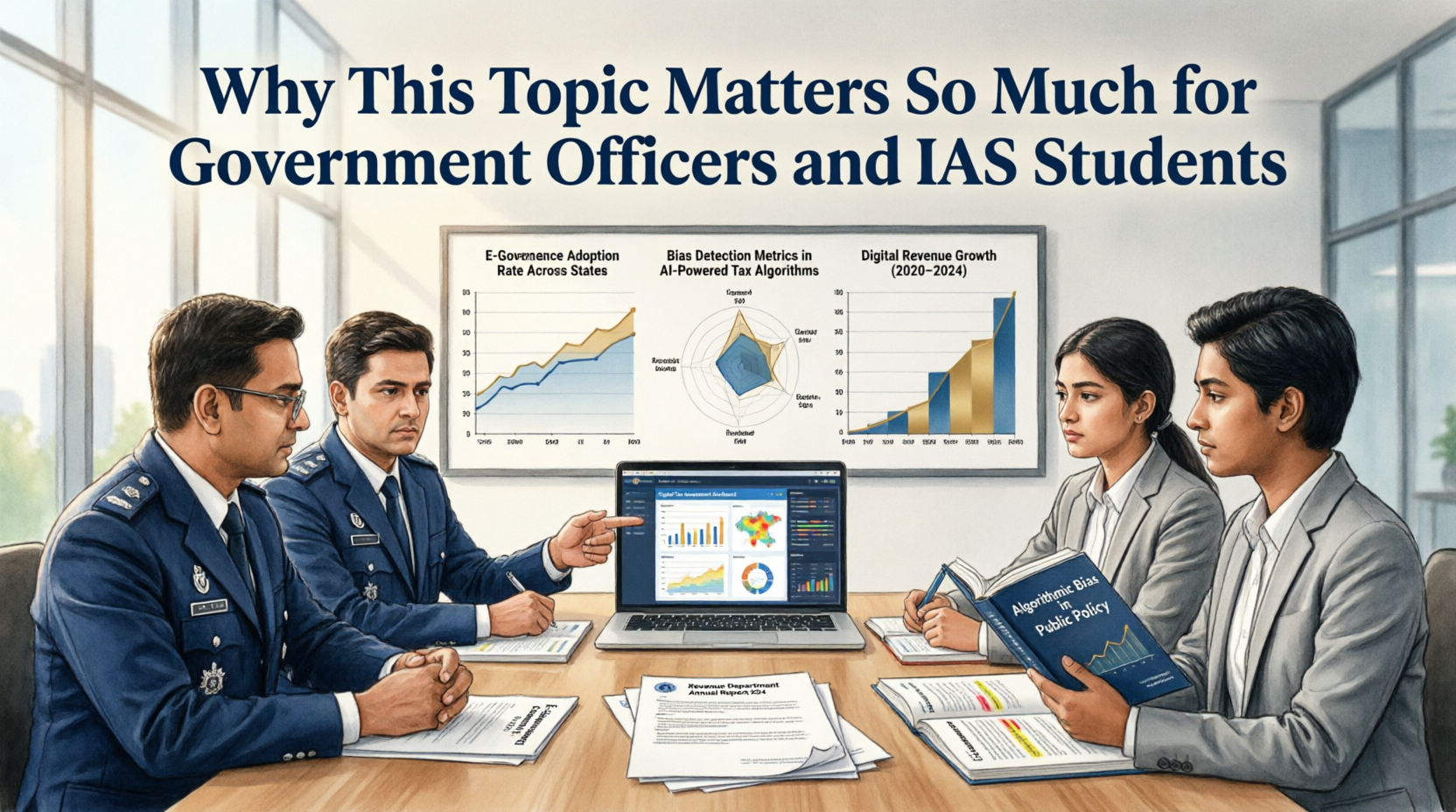
Why This Topic Matters So Much for Government Officers and IAS Students.
If you are studying for civil services, or already working in government, this topic is gold. Here is why:
It is a perfect real-world example of e-governance — using technology to make government work faster and smarter.
It shows exactly how algorithm bias can quietly creep into government systems, which is a favorite topic in ethics and governance papers.
It connects directly to revenue mobilization — collecting more money the government is already legally owed, without raising a single tax rate on anyone.
It matches the same thinking behind reforms like faceless tax assessment, where technology reduces direct human contact and, in theory, reduces corruption and bias too.
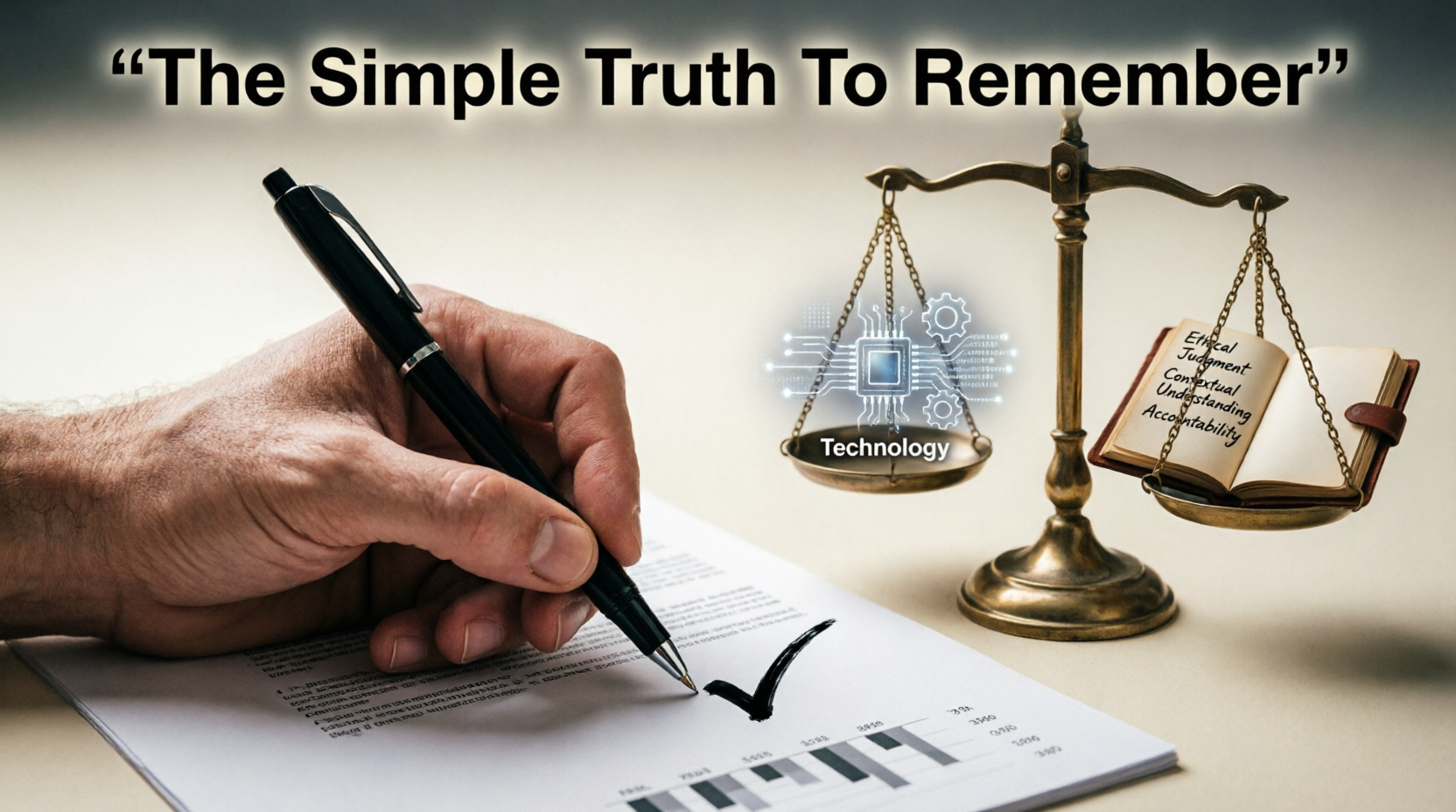
The Simple Truth To Remember.
AI has not made tax cheating impossible. But it has made it much, much harder to hide. What used to take human investigators months now takes minutes.
But here is the most important lesson in this whole article: the same tool that can catch a clever criminal in seconds can also unfairly flag an innocent person in seconds. The technology is not what keeps the system fair. The human being who double-checks the AI's work before any punishment happens — that is what keeps the system fair any government that forgets this is not building a smarter tax system. It is just building a faster way to make mistakes.
Comments (0)
Please sign in to join the conversation.
No comments yet. Be the first to join the discussion!