

AI Inside the S-400 Defense System: A Simple Step-by-Step Explanation.
The S-400 Triumf is one of the most talked-about air defense systems in the world today. Made by Russia, it can track fighter jets, cruise missiles, drones, and even long-range ballistic missiles. But handling so much information at such high speed is too much for humans alone — this is where artificial intelligence and related computer technologies play their part. Let's go step by step and understand how this system works from the inside, and what scientific idea supports each step.
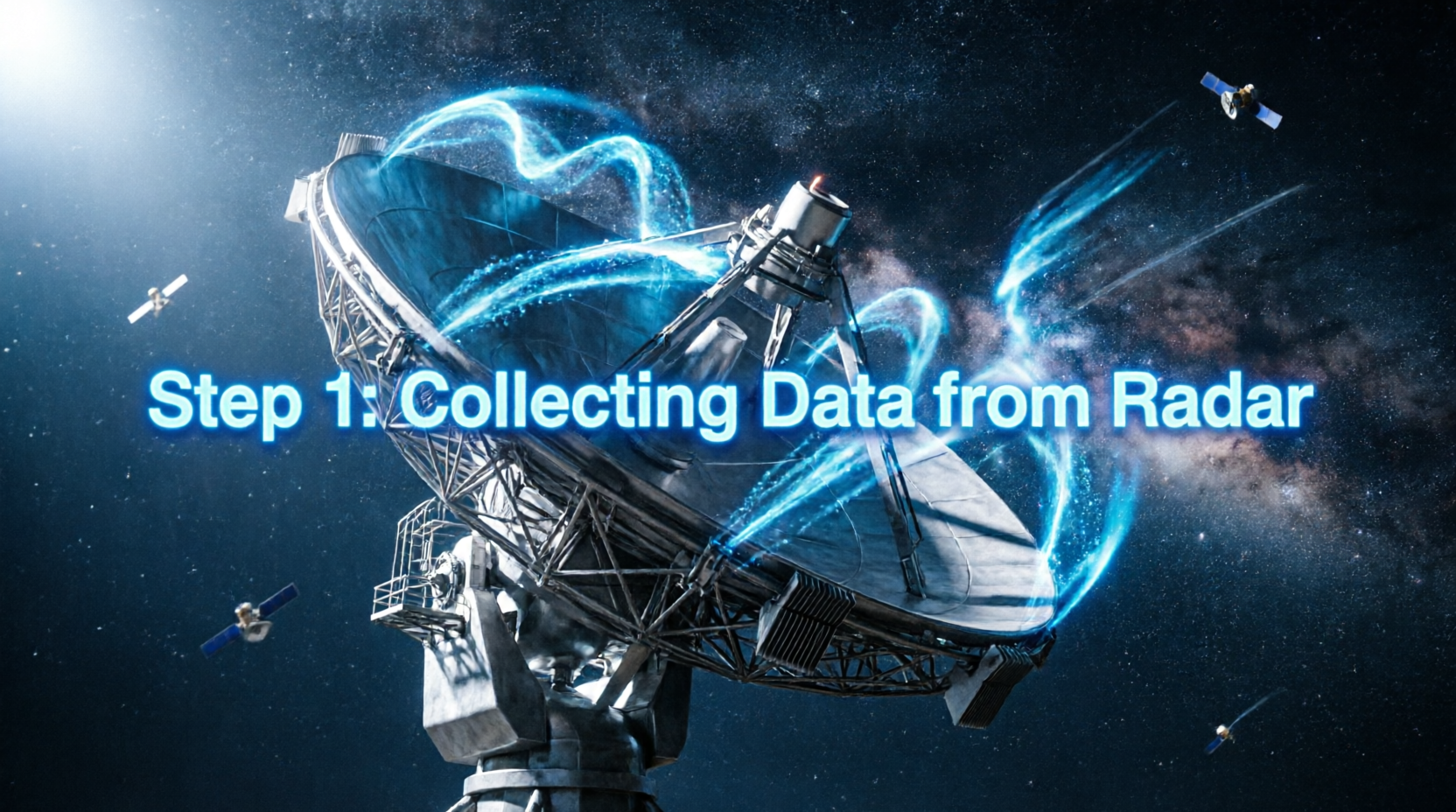
Step 1: Collecting Data from Radar.
Everything starts with the radar network. The S-400 uses a long-range radar called the 91N6E "Big Bird" that scans hundreds of kilometers of sky, along with a fire-control radar called the 92N6E "Grave Stone" that helps aim precisely at targets. These radars send out electromagnetic waves, and by reading the waves that bounce back, they figure out the distance, height, and speed of objects in the air.
The science behind this is called radar cross-section (RCS) — a basic physics principle that explains how much electromagnetic energy an object reflects back, depending on its shape, size, and material. This is standard physics used by radar systems all over the world. At this stage, the machine is just gathering raw data — the real "intelligence" comes in the steps after this.

Step 2: Cleaning the Signal (Removing Noise).
Raw radar data is never perfectly clean. Weather, mountains, buildings, and deliberate jamming all add "noise" to the signal. This is where digital signal processing algorithms come in, separating real targets from useless noise.
The scientific base here is Fourier Transform and statistical filtering — mathematical methods that have been used in signal processing and engineering for decades. With these techniques, the system decides whether something on the screen is really an aircraft or just a cloud or a flock of birds.
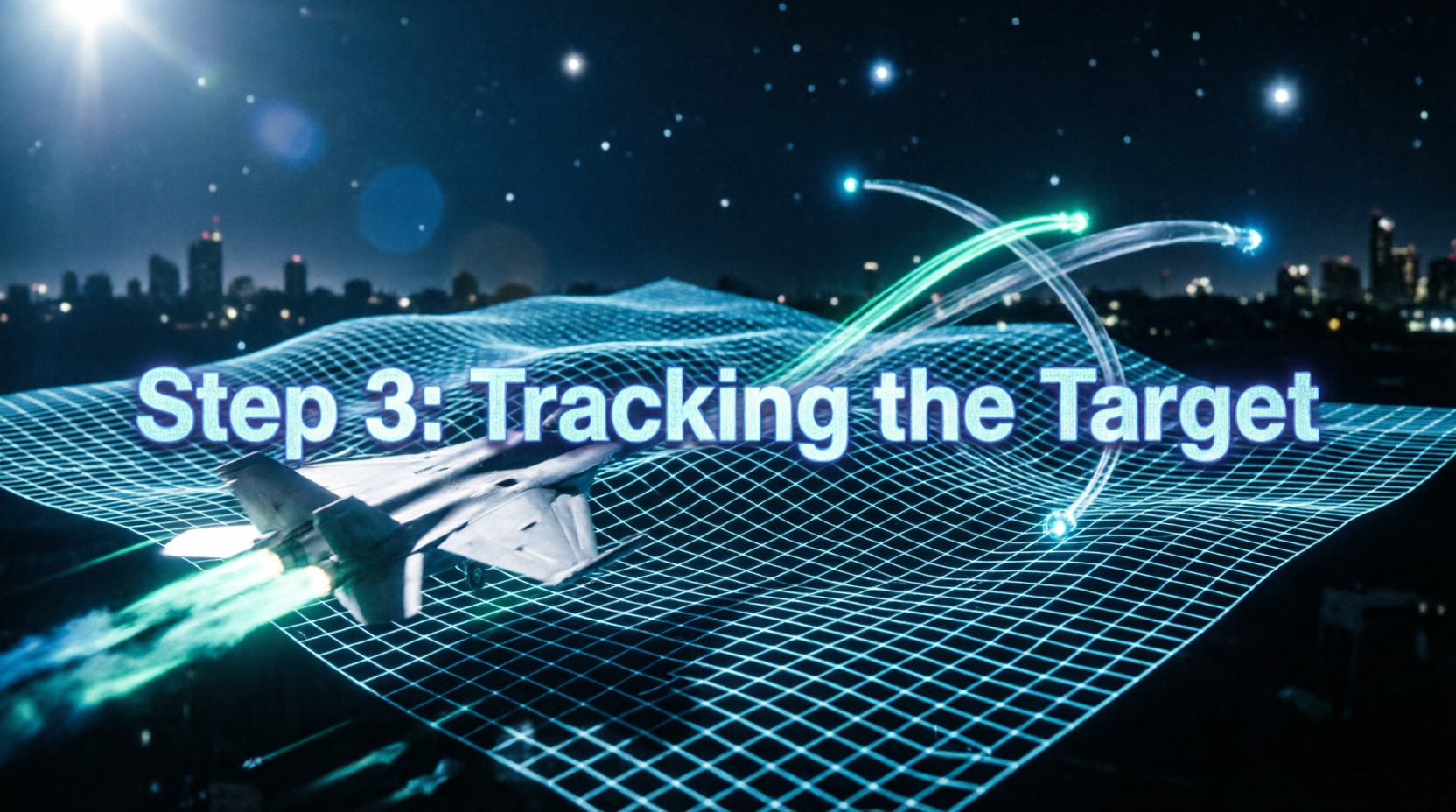
Step 3: Tracking the Target — The Role of the Kalman Filter.
Once the system is confident a real object exists, the next job is predicting where it will be in the next few seconds based on its movement. This is done using the Kalman Filter — a mathematical method developed in the 1960s by Rudolf Kalman, still considered one of the most trusted tracking methods used today in satellite navigation, robotics, and defense systems.
The Kalman Filter combines past data with current measurements to give the best possible guess of the next position, and it also tells how uncertain that guess is. This is a proven scientific method based purely on statistics and linear algebra — not a mysterious "black box."
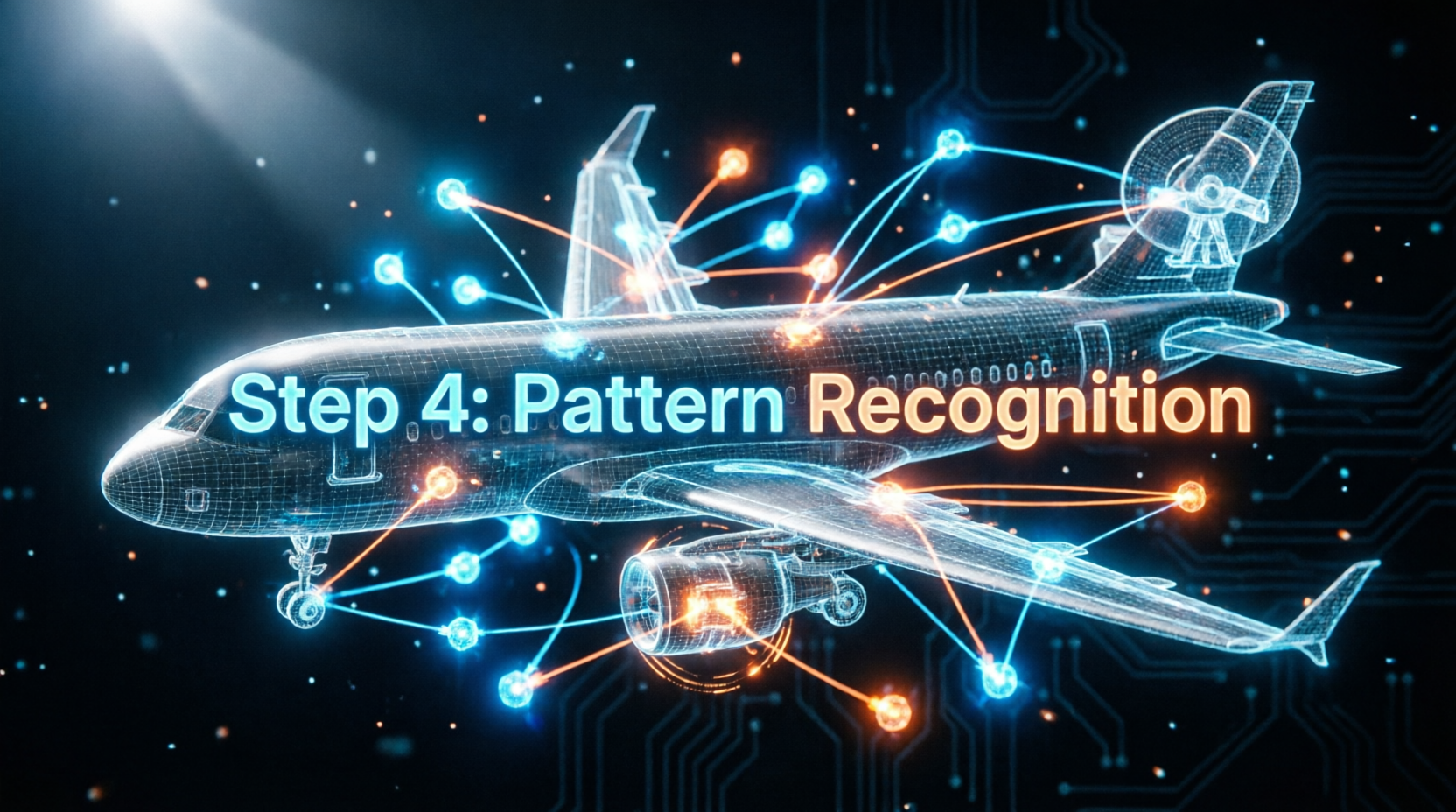
Step 4: Pattern Recognition and Classification.
Now the question is — what exactly is this object being tracked? A fighter jet, a drone, a helicopter, a cruise missile, or just a decoy (a fake object meant to confuse)? This is where machine learning-based pattern recognition comes in, looking at speed, altitude, radar signature, and flight behavior together to classify the object.
Defense technology researchers point out that Convolutional Neural Networks (CNNs) are considered suitable for this kind of task, since they are better than traditional methods at recognizing fine patterns in images and signals. The scientific base here is pattern recognition and statistical learning theory, a subject taught in computer vision courses at universities worldwide.

Step 5: Predicting Movement — Models That Learn Over Time.
For very fast, sudden-turning objects like hypersonic missiles, knowing the current position is not enough — the system also needs to predict where the object might be a few seconds later. For this, Long Short-Term Memory (LSTM) models, a type of recurrent neural network, are considered useful, since they remember patterns over time to predict future position.
The scientific foundation here is time-series analysis — the branch of mathematics that studies how data changing over time follows patterns, and how those patterns can be used to predict the future. This same principle is used everywhere from weather forecasting to stock market analysis.

Step 6: Detecting Deception and Jamming.
In modern warfare, enemies often send fake signals or use jamming to confuse radar. To catch this, anomaly detection techniques are used, where the system first learns what a "normal" signal looks like, and then flags anything that doesn't match that pattern as suspicious.
This technique is based on statistical outlier detection — a scientific method also used in data science, cybersecurity, and even medical diagnosis.
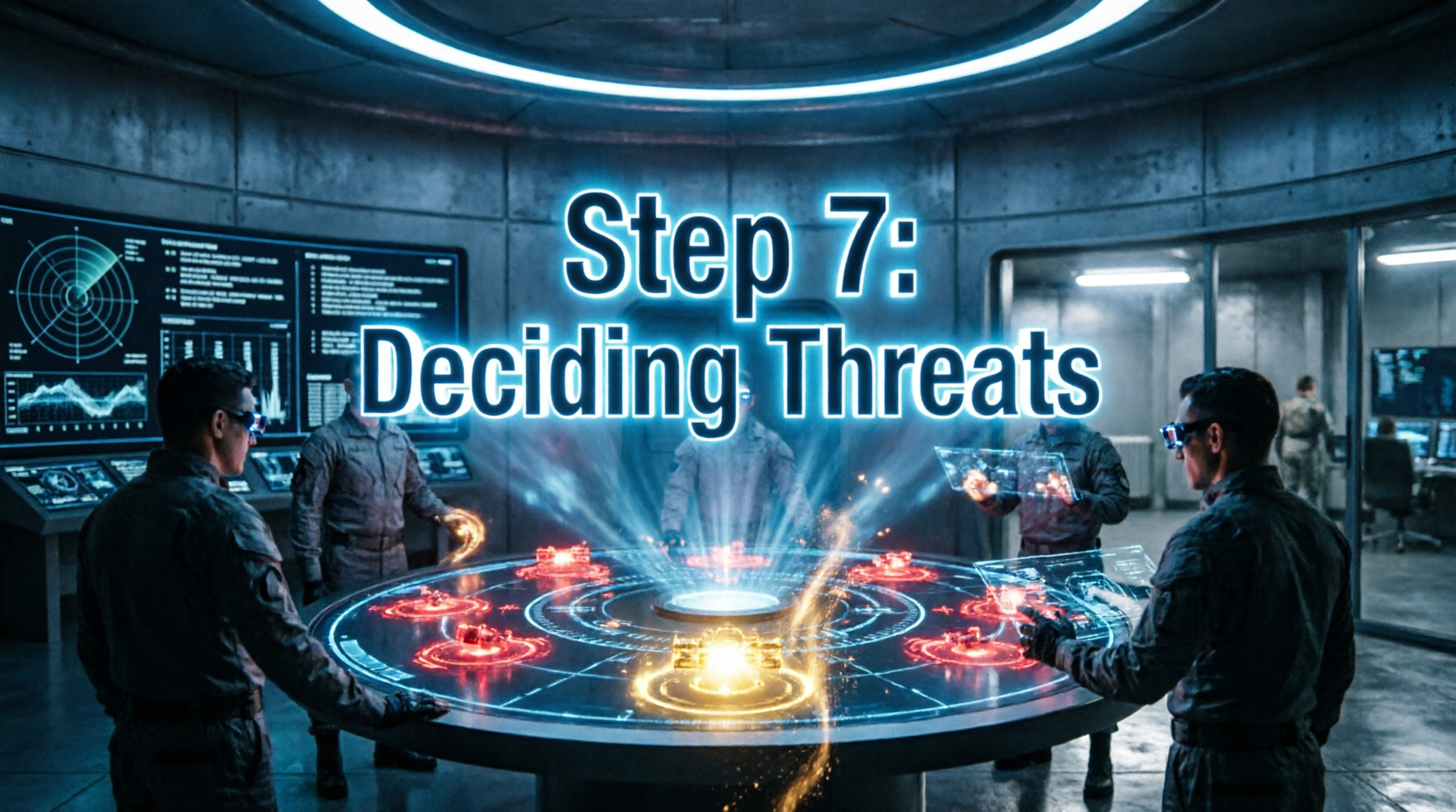
Step 7: Deciding Which Threats Come First.
At any given moment, hundreds of objects might be in the sky, but not all of them are dangerous. So the system has to decide which target needs attention first. This is handled by decision-support algorithms, which score each target based on speed, direction, distance, and potential danger.
Behind this is Multi-Criteria Decision Analysis (MCDA), an established mathematical method taught in the field of operations research, which helps make decision-making organized and measurable rather than random.
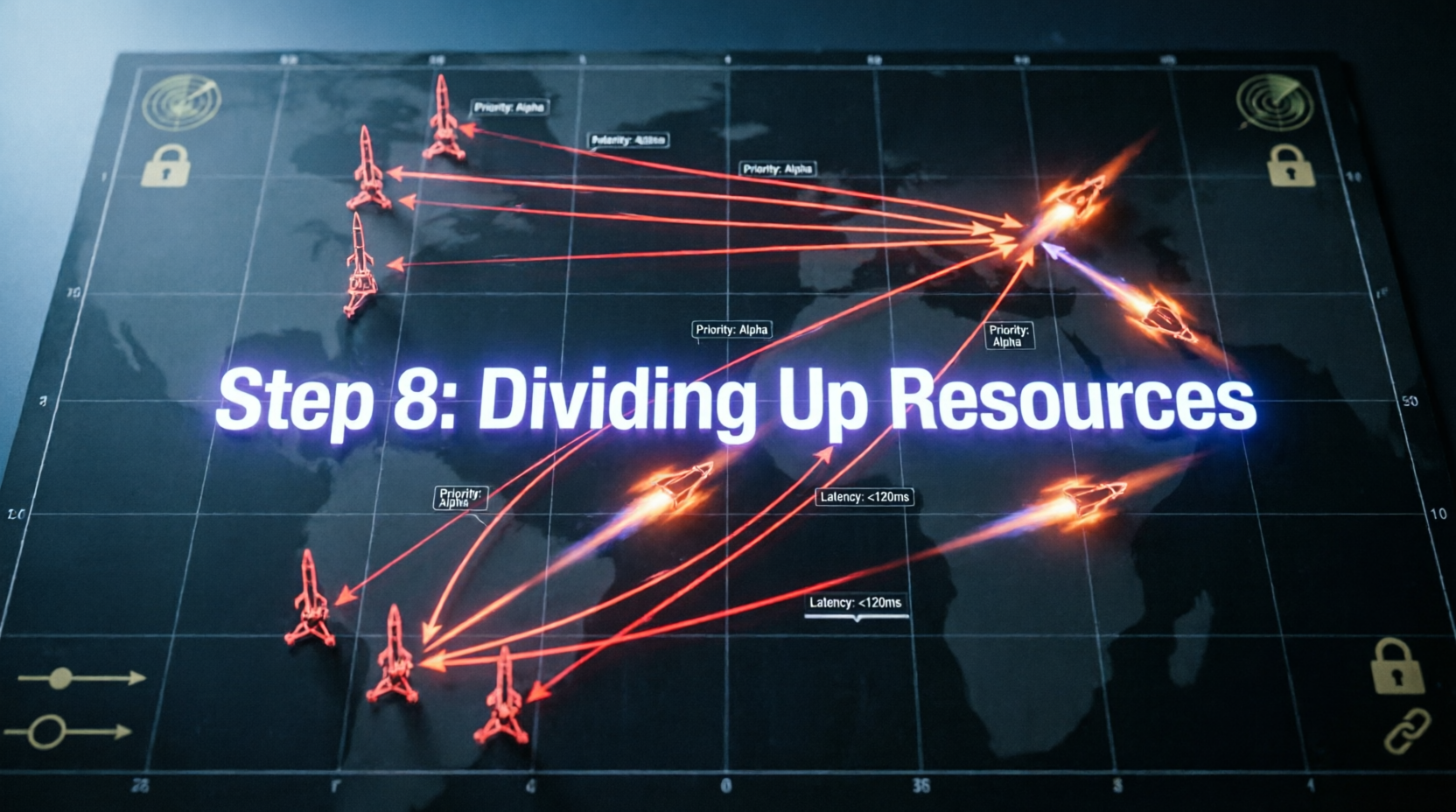
Step 8: Dividing Up Resources.
When many targets appear at once, deciding which missile battery should engage which target is a complex mathematical problem known as the "assignment problem." Optimization algorithms are used to solve this, making sure limited resources — missiles, radar channels — are used as effectively as possible.
The scientific base here is combinatorial optimization, a branch of mathematics that studies how to find the best combination among limited choices. Methods like the Hungarian Algorithm are built on this same principle and are used everywhere from logistics to defense.

Step 9: Human Oversight and Final Decision.
It's important to understand that modern air defense systems are not fully automatic. The job of AI and algorithms is to process data and give recommendations, but the final decision — actually firing a missile — is made under human supervision. This is called a "human-in-the-loop" system.
This approach is connected to cybernetics and human-machine interaction science, which studies how humans and machines together can make faster and more reliable decisions than either one alone.

Conclusion.
Overall, the AI used in modern defense systems like the S-400 is not magic — it is the practical use of decades-old, well-tested principles from mathematics, physics, and computer science. From collecting radar data, to removing noise, tracking objects, identifying them, judging threats, dividing resources, and finally letting a human decide — every step rests on some established scientific principle. This is why today's defense systems are faster, more accurate, and more reliable than ever before, while the final decision still stays in human hands.
(Note: This article is based on publicly available defense-technology reports, established scientific principles, and open sources. The specific internal software design and classified technical
details of the S-400 are not available in the public domain.)
Comments (0)
Please sign in to join the conversation.
No comments yet. Be the first to join the discussion!