
How AI Is Changing Mental Health Care, Step by Step.
A few years ago, if you were struggling emotionally at midnight, there wasn't much you could do except wait. Wait for the sun to come up. Wait for an appointment slot two weeks away. Wait for a friend to reply to your text. That waiting is finally starting to shrink, thanks to artificial intelligence quietly finding its way into mental health support.
I want to be clear about one thing before we go further. This isn't a story about machines taking over therapy rooms and pushing real doctors out. It's a story about giving people more doors to walk through when they need help, and giving professionals better tools once someone walks in. Let's go through it one step at a time.
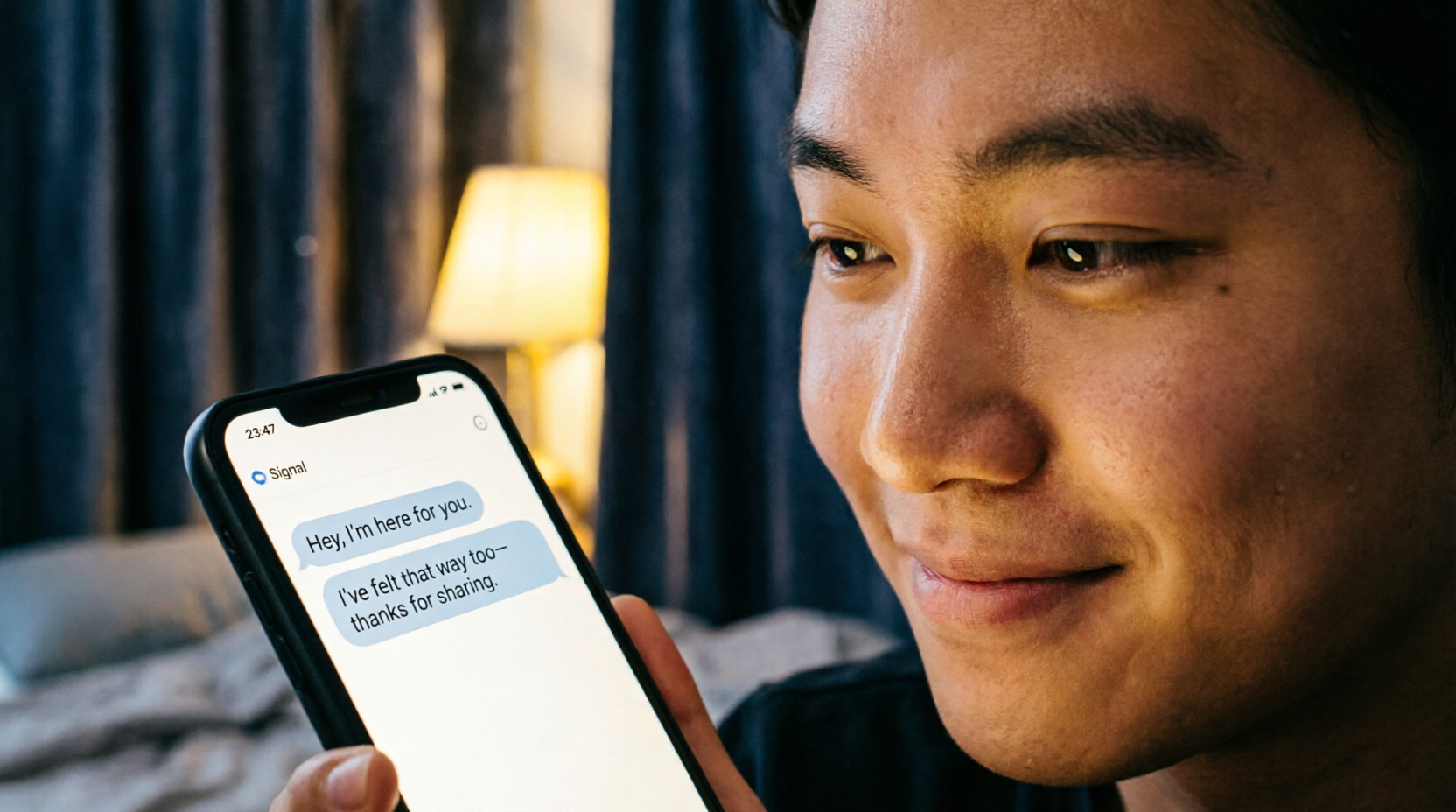
Step One: Getting People to Open Up in the First Place.
The hardest part of asking for help is usually just starting. Saying "I'm not okay" out loud, to a real person, on the phone, feels like a huge weight for a lot of people. So many just don't say it at all.
This is exactly where AI chatbots have quietly stepped in. Apps built for this purpose let a person type out whatever they're feeling, at three in the afternoon or three in the morning, without worrying about being judged. The AI responds with calm questions and small coping exercises, many of them based on the same techniques a trained therapist would use. It doesn't replace a real conversation with a professional. But for a nervous first-timer, it's often the door that gets them talking about their feelings at all.

Step Two: Catching Warning Signs Early.
Something I find genuinely fascinating is how AI can now pick up on shifts in behavior that even close friends or family might miss. Longer pauses in speech. A flatter tone. Shorter replies than usual. Changes in sleep patterns tracked through a phone or a smartwatch.
None of this diagnoses anyone with anything. What it does is flag a pattern worth checking on. A counselor or doctor can then reach out before things get worse, instead of finding out during a scheduled visit weeks later, by which point the person might already be in a much harder place.
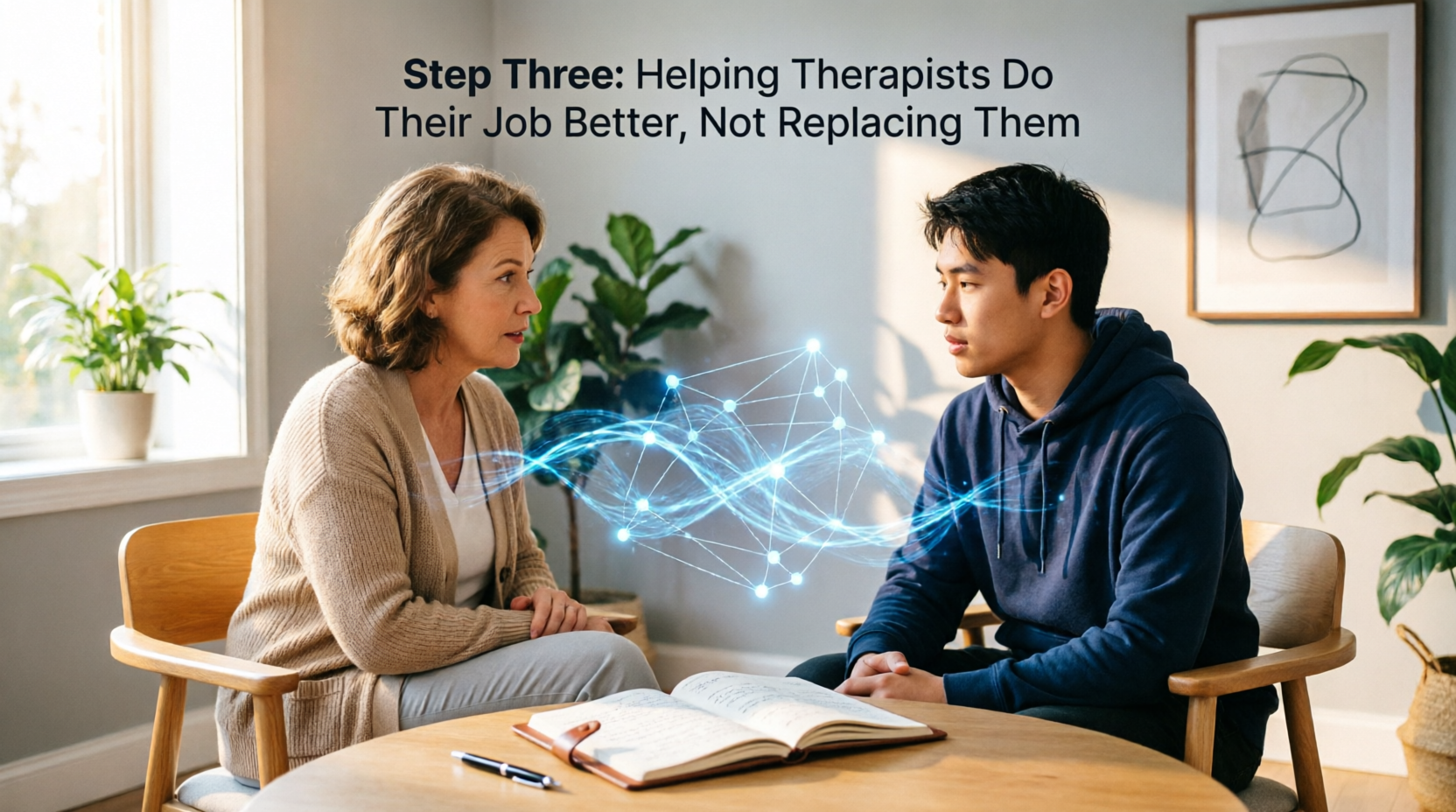
Step Three: Helping Therapists Do Their Job Better, Not Replacing Them.
Plenty of people assume AI is trying to sit in the therapist's chair. In practice, most therapists using this technology are using it behind the scenes, not in front of the patient.
After a session ends, AI tools can help organize notes, track how a patient's mood has shifted over the past several months, and point out themes that keep coming back — money stress, a strained marriage, trouble sleeping, whatever it might be. That means the next session doesn't start with ten minutes of "so where did we leave off last time." The therapist walks in already caught up.
Step Four: Smarter, More Personal Treatment Plans.
No two minds work exactly the same way, and what helps one person can do nothing for another. AI systems are now being trained on large amounts of anonymous patient data to spot which approaches tend to work best for certain symptoms.
So rather than a therapist relying purely on guesswork about whether talk therapy, mindfulness practice, or a different method will suit a new patient, these tools offer a starting suggestion based on patterns seen across thousands of similar cases before. The human doctor still makes the final call, always. But at least they're not starting from zero.
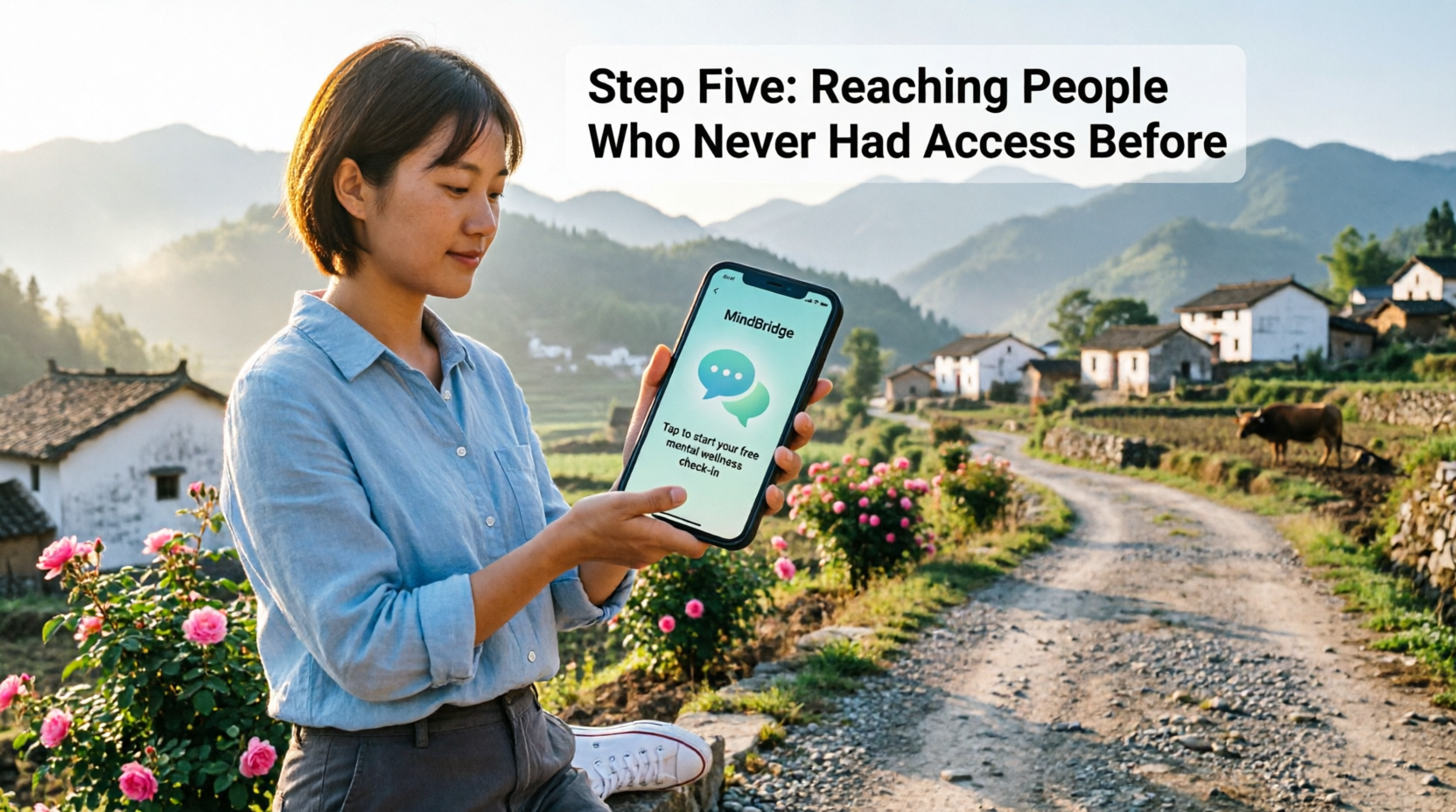
Step Five: Reaching People Who Never Had Access Before.
This, to me, is the part that matters most. In many smaller towns and rural regions, there simply aren't enough mental health professionals around. Some people have to travel for hours just to sit across from a counselor once.
AI-based support doesn't need an office, a receptionist, or a waiting room. Someone in a small village with an ordinary smartphone can open an app and get support in their own language, at whatever pace feels comfortable to them. That single fact is closing a gap that years of government planning couldn't fully close on its own.
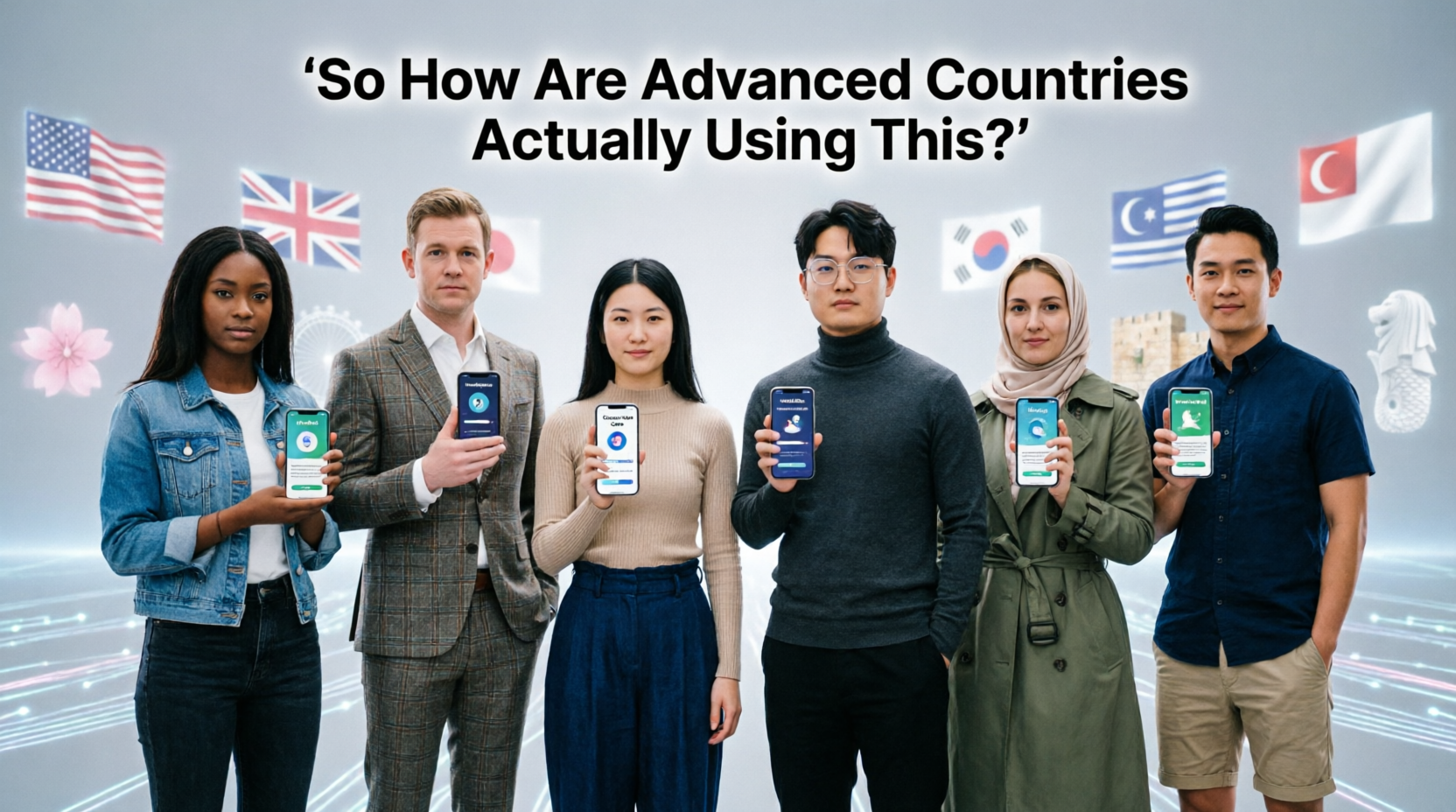
So How Are Advanced Countries Actually Using This?
Different countries are shaping this technology around their own specific problems, and it's worth looking at a few examples.
The United States has pushed hard on AI-based chatbot therapy support, with several hospitals and universities running long-term studies to see whether these tools genuinely reduce depression symptoms over time. Some insurance providers have even started covering certain AI-assisted programs, which says a lot about how much trust is building around this approach.
The United Kingdom's public health system has been testing AI tools that help decide who needs urgent mental health attention versus who can safely wait a bit longer. Since public healthcare there often means long waiting lists, this kind of sorting can genuinely be the difference between catching a crisis early or missing it.
Japan has gone in a very different direction. With one of the world's oldest populations and a real shortage of caregivers, Japan has leaned into AI companion tools designed specifically to ease loneliness among elderly citizens, since isolation is one of the most overlooked causes of depression in older age.
South Korea has been focusing heavily on student stress, given how intense academic pressure is there. Some schools now use apps that regularly check in with students and alert counselors if responses suggest a student may be heading toward serious burnout.
Israel has become something of a hub for mental health technology startups, many of them building tools aimed at trauma recovery, shaped by the country's long history with conflict. These are used to support both everyday citizens and first responders working through difficult experiences.
Singapore has built national screening tools right into its basic government health app, making it one of the simpler places in the world for someone to get an initial mental health check without needing to book a clinic visit first.
What ties all of this together is simple. None of these countries are using AI to replace doctors. They're using it to reach people sooner, notice problems earlier, and free up professionals to spend time actually helping instead of managing paperwork and backlogs.
The Part Worth Being Honest About
None of this is perfect, and pretending otherwise wouldn't be fair. An app cannot fully replace the feeling of being understood by another human being who knows your history, your tone, your silences. There are also real concerns about privacy, since mental health information is deeply personal, and people deserve full clarity on how it's stored and who can see it. This kind of technology works best as extra support, standing alongside real human care, never instead of it.

Where This Seems to Be Heading.
In the coming years, expect these tools to reach more languages, more remote corners of the world, and catch warning signs even sooner than they do now. But the actual goal was never a world where people only talk to machines about their feelings. The real goal is a world where nobody has to suffer quietly simply because help wasn't reachable in time.
Mental health struggles are nothing new. What's changing is how fast, and how personally, support can now reach someone who needs it. And that shift, even though it's happening quietly in the background, might be one of the most meaningful
things technology has done for ordinary people in a long time.
Comments (0)
Please sign in to join the conversation.
No comments yet. Be the first to join the discussion!