
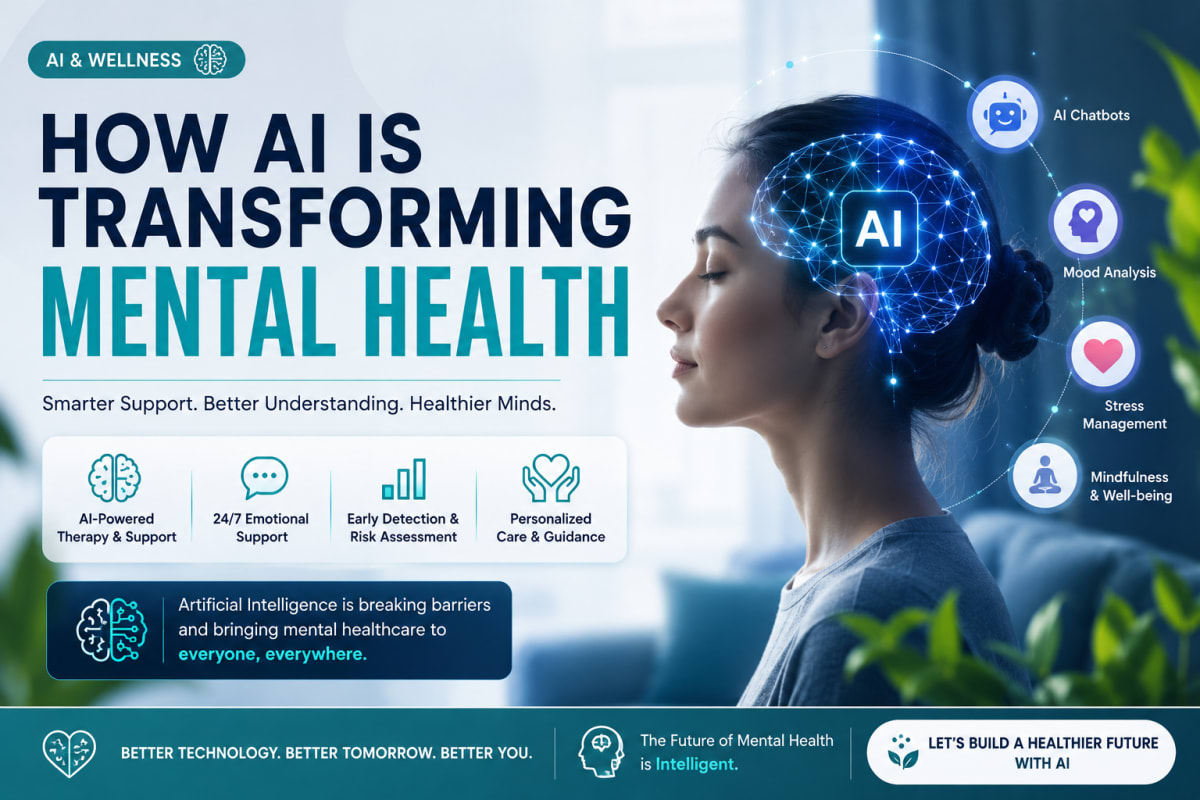
How AI Is Revolutionizing Mental Health Therapy.
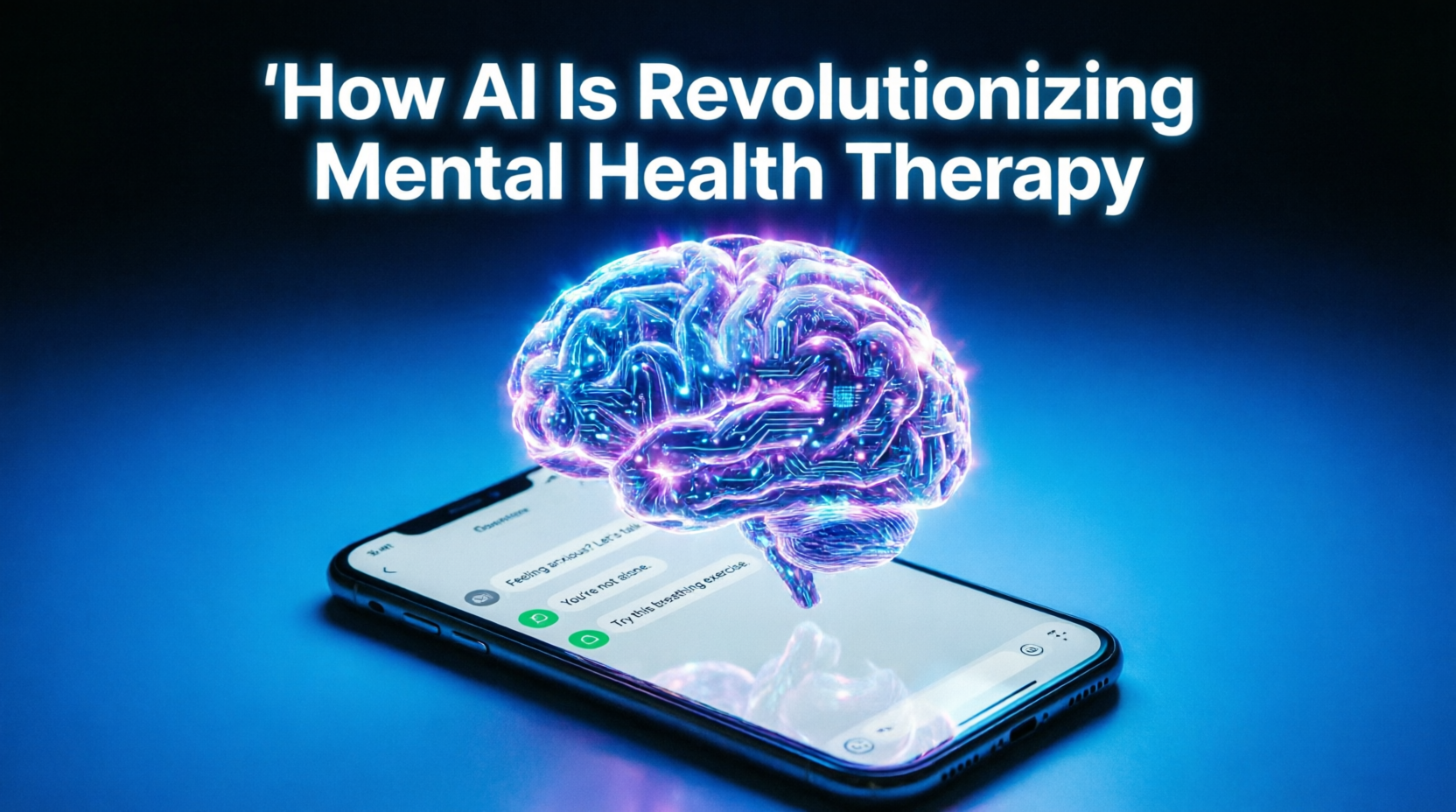
Not too long ago, if someone was feeling low, anxious, or overwhelmed at 2 a.m., their only option was to wait. Wait for morning. Wait for an appointment. Wait for someone to pick up the phone. Today, that waiting is slowly disappearing. Artificial intelligence has quietly walked into one of the most personal and sensitive corners of healthcare — mental health — and it is changing how people get support, how doctors track progress, and how early a problem can be caught before it turns into a crisis.
This is not about robots replacing therapists. It's about giving people more ways to be heard, faster, cheaper, and often right when they need it most. Let's walk through this, step by step, so you can actually see how it works in real life.
Step 1: AI Is Becoming the First Point of Contact.
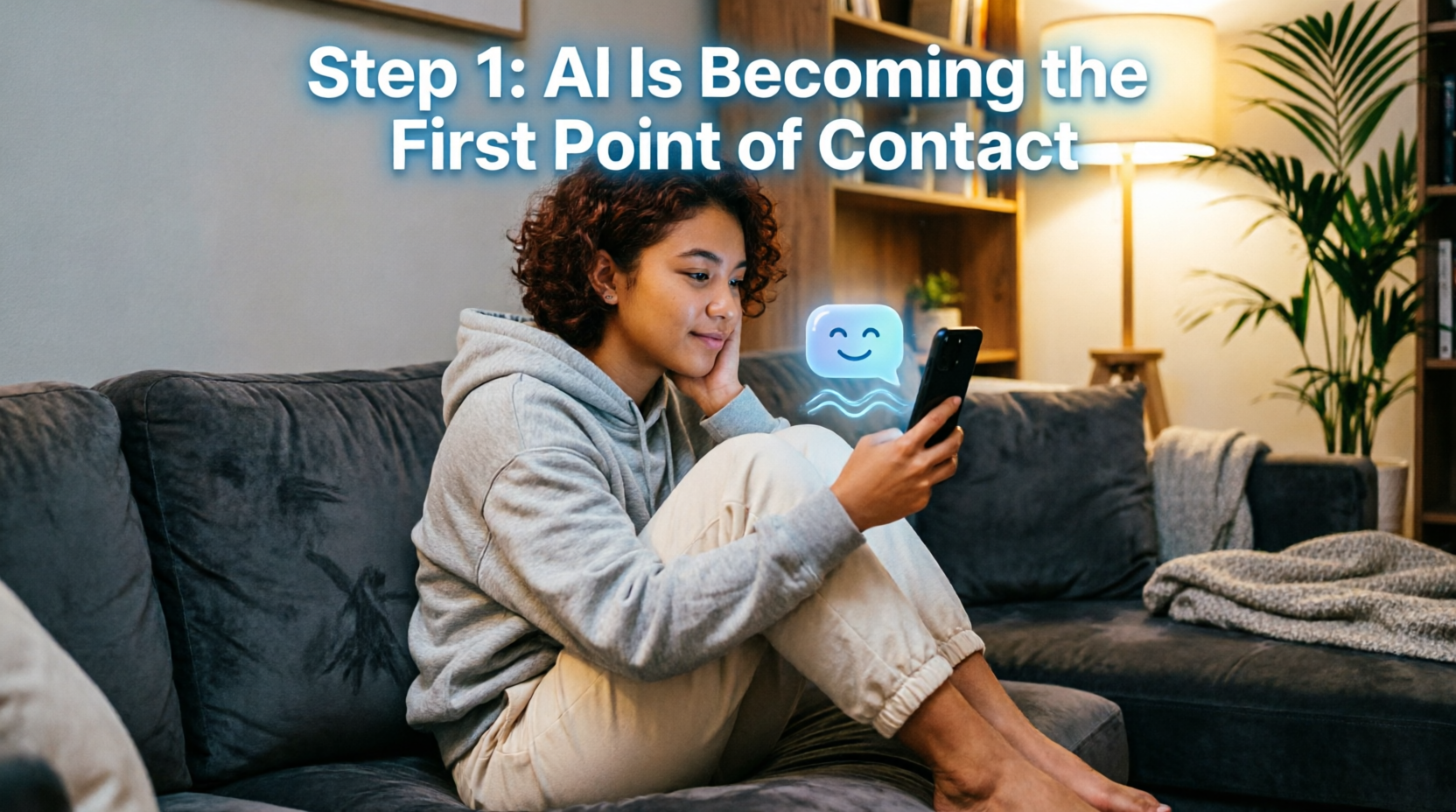
For many people, the hardest part of getting help isn't finding a good therapist — it's taking that first step. Picking up the phone and saying "I need help" feels heavy. This is where AI chatbots and mental health apps come in.
Tools like Woebot and Wysa let people type out how they're feeling, any time of day, with zero judgment on the other end. The AI listens, asks gentle follow-up questions, and offers simple coping techniques based on cognitive behavioral therapy — the same kind of techniques a real therapist would use in a session. It's not a replacement for professional care, but it's often the bridge that gets someone talking about their feelings for the first time.
Step 2: AI Is Learning to Notice What Humans Might Miss.
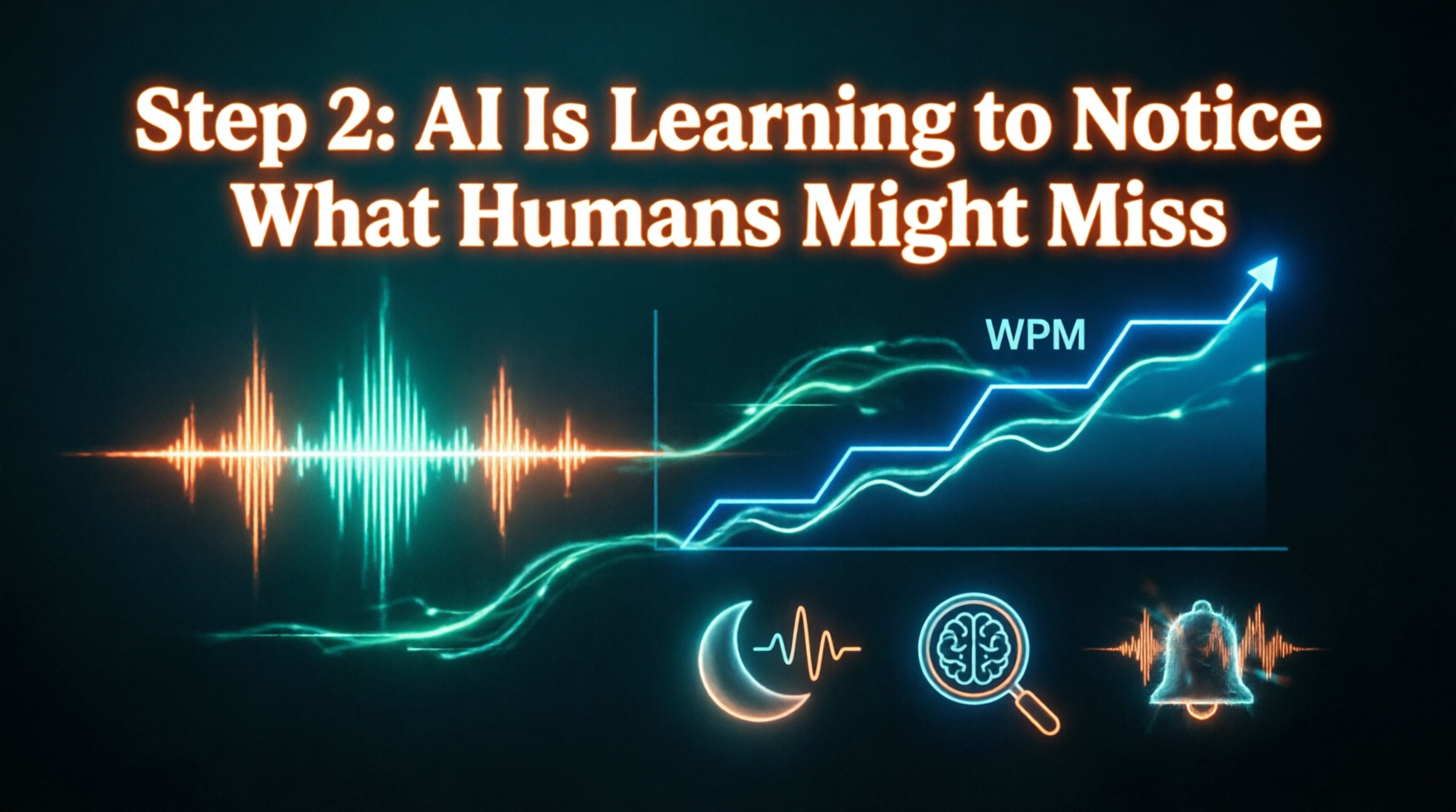
Here's something interesting. AI models can now study patterns in a person's voice, typing speed, sleep data, and even phone usage to pick up early warning signs of depression or anxiety — sometimes before the person themselves has fully noticed it.
For example, a change in how someone talks, longer pauses, a flatter tone, fewer words used — these small shifts can be tracked over time by AI systems connected to wearable devices or smartphone apps. This doesn't diagnose anyone. But it flags a pattern to a doctor or counselor, who can then reach out proactively instead of waiting for the patient to book an appointment during a difficult week.
Step 3: Therapists Are Using AI as a Support Tool, Not a Replacement.
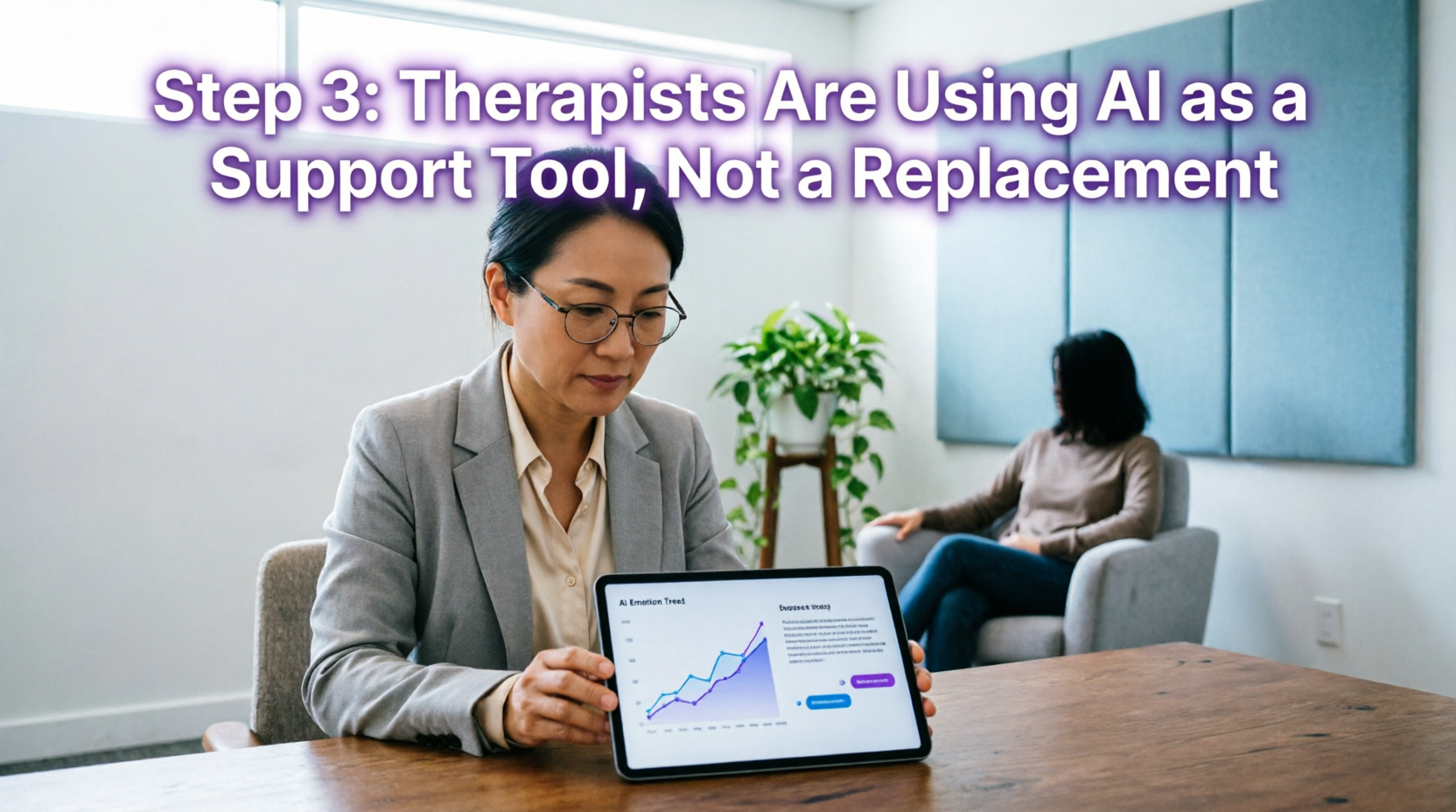
A lot of people assume AI is trying to take over the therapist's chair. In reality, most licensed therapists are using AI behind the scenes to make their own work sharper.
After a therapy session, AI tools can help summarize notes, track a patient's mood over several months, and highlight recurring themes the patient keeps bringing up — maybe stress about a job, or a pattern of conflict in relationships. This means the therapist walks into the next session already prepared, instead of spending the first ten minutes trying to recall where they left off last time.
Step 4: Personalized Treatment Plans Are Getting Smarter.
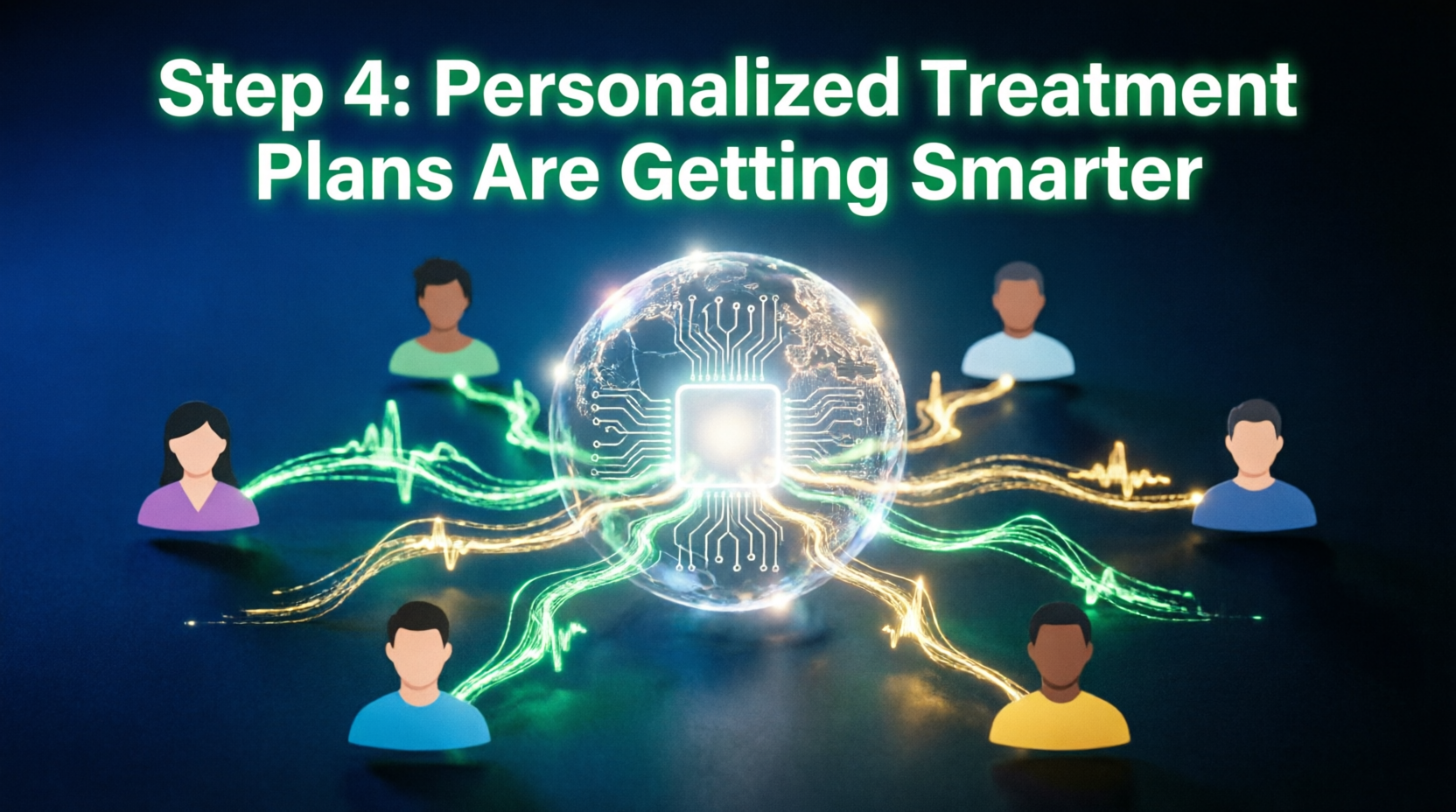
Every person's mind works differently, and what helps one person may not help another. AI is now being used to study large sets of anonymous patient data to figure out which treatment approaches tend to work best for which kind of symptoms.
So instead of a therapist guessing whether talk therapy, mindfulness training, or a different approach will work for a specific patient, AI-assisted tools can suggest a starting point based on patterns seen across thousands of similar cases. The final decision always stays with the human doctor, but the guesswork is reduced.
Step 5: AI Is Making Mental Health Support Available in Places That Never Had It.
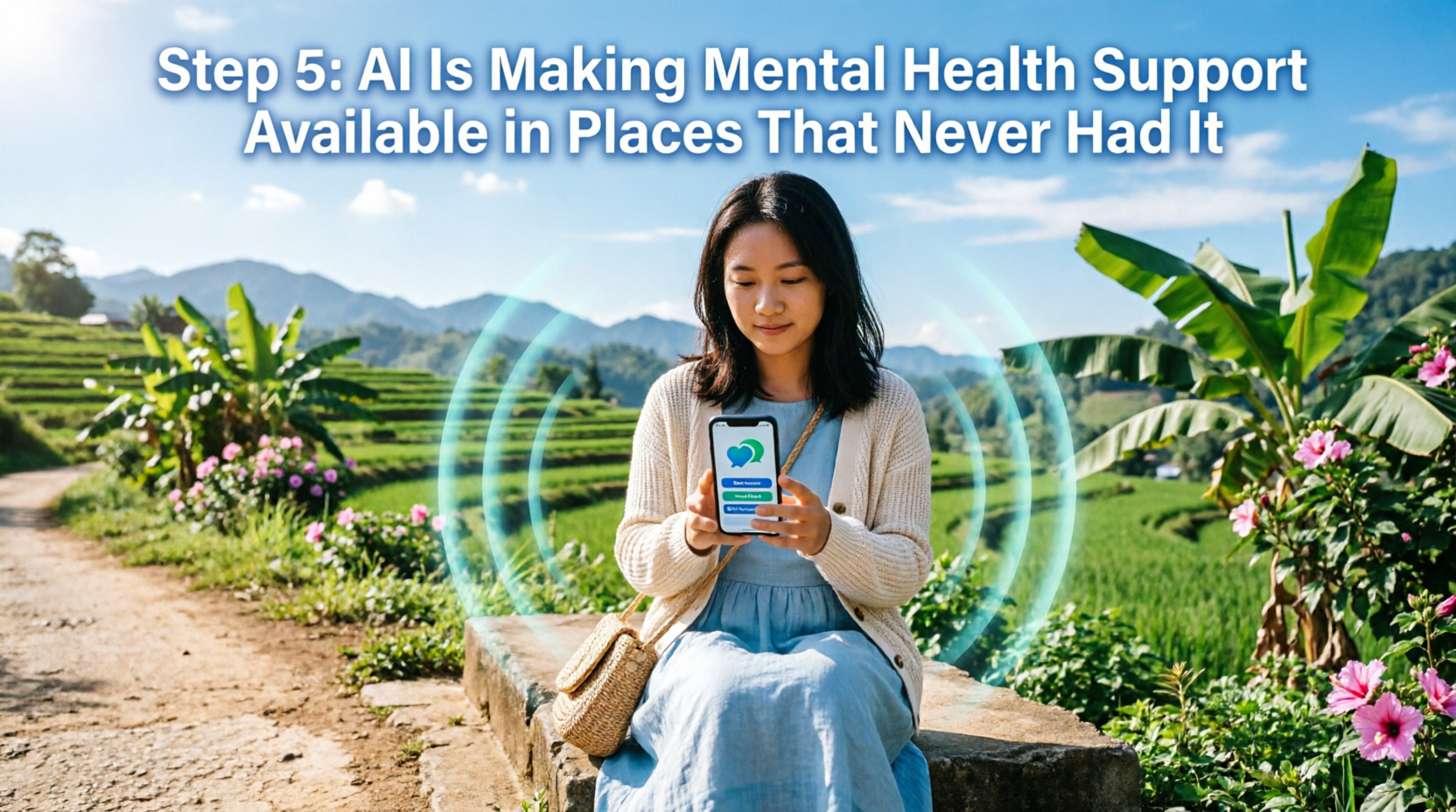
This is one of the most powerful parts of the whole story. In many small towns and rural areas, there simply aren't enough mental health professionals. People might have to travel hours just to see one counselor.
AI-based apps don't need a office or a waiting room. A person in a remote village can open an app on a basic smartphone and get support in their own language, at their own pace. This alone is closing a gap that decades of policy planning couldn't fully solve.
Now, How Are the World's Advanced Countries Using This?
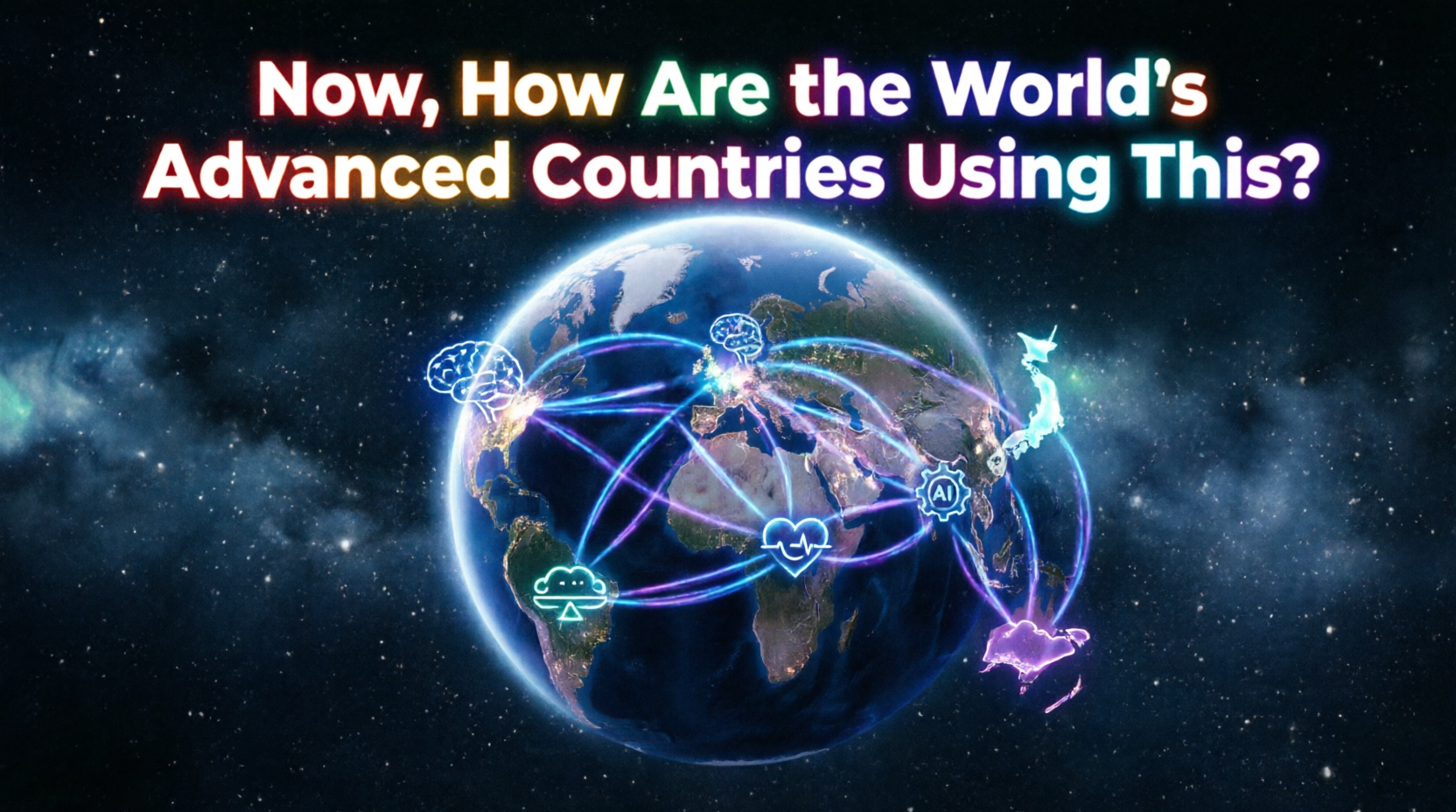
This is where it gets really exciting, because different countries are approaching this in their own way, based on what their population needs most.
The United States
has been leading in AI-powered mental health apps and chatbot-based therapy support. Hospitals and universities are running large studies to check if AI can actually reduce depression symptoms over time, and insurance companies are beginning to cover some AI-assisted therapy programs, which shows real trust building in this technology.
The United Kingdom.
National Health Service has been testing AI tools that help doctors decide who needs urgent mental health care versus who can wait a little longer for an appointment. Since public healthcare systems often deal with long waiting lists, this kind of AI-based sorting genuinely saves lives by making sure the most urgent cases are never lost in the queue.
Japan.
has taken a very unique route. With an aging population and a shortage of caregivers, Japan has been using AI-powered companion robots and apps specifically designed to reduce loneliness in elderly citizens, since loneliness is one of the biggest hidden triggers of depression in older age groups.
South Korea.
is investing heavily in AI systems that monitor stress levels among students, since academic pressure there is extremely high. Schools have started using apps that check in with students regularly and alert counselors if a student's responses show signs of serious stress or burnout.
Israel.
has become a hub for mental health tech startups, many of which are building AI tools that support trauma recovery, given the country's unique history with conflict and crisis situations. These tools are designed to help both civilians and first responders process difficult experiences.
Singapore
has built AI-powered national mental health screening tools that are used through simple government health apps, making it one of the easier countries in the world for a citizen to get an initial mental health check without needing to visit a clinic first.
What's common in all these countries is this: AI is not being used to replace doctors or therapists. It's being used to reach people faster, catch problems earlier, and support professionals so they can spend their time actually helping people instead of managing paperwork or long waiting lists.
The Honest Part Nobody Should Skip.

AI in mental health is powerful, but it comes with real limits that deserve honesty, not hype. An app can never fully replace the warmth of a real human conversation, the kind where someone truly understands your tone, your silence, your history. AI also raises genuine privacy concerns, since mental health data is deeply personal, and people deserve to know exactly how their information is stored and used. This technology works best as a support system, not a stand-alone solution.
Where This Is All Heading.

The next few years will likely bring AI tools that can support therapy in even more languages, reach even more remote communities, and catch warning signs even earlier. But the goal isn't a future where people talk only to machines about their feelings. The real goal is a future where no one has to suffer in silence simply because help wasn't available in time.
Mental health struggles have existed forever. What's changing now is how quickly, and how personally, help can reach someone who needs it. And that shift, quiet as it may seem from the outside, is one of the most meaningful things
technology has done for ordinary people in a very long time.
Comments (0)
Please sign in to join the conversation.
No comments yet. Be the first to join the discussion!